
BLOG
Dolly And Reba Tour 2026 Schedule: The Full Truth Behind the Viral Rumor, What’s Real, and What Both Legends Are Actually Doing


If you’ve been searching for the Dolly and Reba tour 2026 schedule, you’re not alone. The question “are Dolly and Reba touring together?” has exploded across social media, fan forums, and search engines. Millions of country music lovers have seen the buzzworthy posts, the stunning promotional images, and the breathless headlines announcing the Dolly Parton and Reba McEntire tour 2026 — a supposed joint mega-tour called “One Last Ride.”
The problem? It isn’t real.
In this in-depth article, we’ll walk you through everything you need to know about the Dolly and Reba 2026 rumor: where it came from, how it spread, why it’s not true, what the actual Dolly and Reba tour dates situation looks like, and — most importantly — what both of these iconic women are genuinely doing in 2026. If you want the truth about the Reba Dolly tour 2026, whether you’re a lifelong fan or someone who just stumbled across a viral post, you’ve come to the right place.
Where Did the “Dolly and Reba Tour” Rumor Come From?
The story of the Dolly Parton Reba McEntire tour begins, like so many modern myths, on social media. In mid-to-late 2025, posts began circulating across Facebook, Instagram, X (formerly Twitter), and TikTok claiming that two of the biggest names in the history of country music were uniting for a landmark joint tour. The supposed event was branded the “One Last Ride” tour, and the promotional material promised an unforgettable coast-to-coast journey celebrating both artists’ extraordinary decades-long careers.
The posts were visually striking. AI-generated images depicted Dolly Parton and Reba McEntire side by side, both dressed in their signature glamorous style, against concert backdrops dripping with lights and energy. The images were good enough to fool casual observers, convincingly capturing both women’s likenesses. Alongside these photos came detailed write-ups — almost certainly also AI-generated — promising a Dolly and Reba tour 2026 schedule filled with dates in major cities across the United States, with hints at international stops in Canada, the United Kingdom, and Australia.
The language was tailor-made to get fans excited. Headlines like “Dolly Parton and Reba McEntire Announce 2026 Tour — A Once-in-a-Lifetime Revival Fans Have Waited For” spread rapidly. Over 24,000 people liked at least one version of the post on Facebook alone, and thousands more shared it, amplifying the “news” far and wide. Many fans didn’t question it for a second. Why would they? A Dolly and Reba tour would be one of the most exciting events in the history of country music. The idea felt right, felt earned, felt inevitable.
But as the country music outlet Whiskey Riff quickly pointed out after fact-checking the viral posts: if it seems too good to be true, it probably is.
Fact Check: Are Dolly and Reba Touring Together in 2026?
Let’s be completely clear. No — as of March 2026, Dolly Parton and Reba McEntire are not touring together. There is no confirmed Reba and Dolly tour 2026. There is no “One Last Ride.” There are no official tour dates, no confirmed venues, no ticket sales through Ticketmaster or Live Nation, and no announcements on either artist’s official website.
To be specific about what was verified:
Dolly Parton’s official website (dollyparton.com) contains no mention of a joint tour with Reba McEntire. The site is active and regularly updated with news about Dolly’s real 2026 projects — none of which include a co-headlining tour.
Reba McEntire’s official website (reba.com) similarly contains zero information about a joint Dolly and Reba tour. Reba’s real schedule for 2026 involves television work, her restaurant brand, and other business ventures — not a blockbuster joint tour.
Ticketmaster and Live Nation list no such joint tour. A tour of this magnitude — two of the biggest names in American music — would generate immediate and massive coverage from major outlets including Billboard, Rolling Stone, People, and CMT. None of those outlets reported it, because there was nothing to report.
The verdict: The Dolly Parton and Reba McEntire tour 2026 is a fabrication, born from AI-generated content designed to go viral on social media. It exploited the very real love people have for both legends to rack up likes, shares, and website clicks. It is, in the blunt words of Whiskey Riff, “certified AI slop.”
This is part of a broader and troubling pattern. Similar fake tours have been manufactured for other beloved artists, including George Strait. These posts prey specifically on the emotions of older country music fans who grew up with these artists and would desperately love to see them perform together one last time. That emotional vulnerability is being cynically exploited by bad actors using artificial intelligence tools to generate convincing-looking content.
Why the “One Last Ride” Story Was So Easy to Believe
Understanding why the Dolly and Reba 2026 rumor spread so far and so fast requires appreciating just how beloved these two women are — and how naturally the idea of them touring together fits the imagination.
Dolly Parton and Reba McEntire are not just country music superstars. They are cultural institutions. Each has earned a level of admiration that transcends genre, transcends generation, and transcends any normal definition of fame. Their friendship is genuine and long-documented. Dolly has publicly called Reba a “true friend.” Reba has spoken about Dolly as one of her greatest inspirations. They have appeared together at the ACM Awards, the CMAs, and other major events. In 1993, they memorably collaborated on the duet “Does He Love You,” a song that became one of the most celebrated female country collaborations of the era.
The idea of a Dolly Parton and Reba McEntire tour — a proper, full-scale, cities-across-America joint tour — is something fans have fantasized about for decades. So when an AI-crafted post claimed it was finally happening, people wanted it to be true. And wanting something to be true is the single most powerful force that allows misinformation to spread.
Both women are also at ages — Dolly recently celebrated her 80th birthday and Reba is in her early 70s — where fans genuinely feel the clock ticking. The idea of a “last ride” resonates deeply. Fans don’t want to miss their chance. That urgency was baked into the fake marketing from the start.
How to Spot Fake Concert Tour Announcements
Before we move on to what Dolly and Reba are actually doing in 2026, here are some quick checks you should always run when you see a concert tour announcement on social media:
1. Check the official artist websites first. Dollyparton.com and reba.com are the definitive sources for anything involving either artist. If it’s not there, be very skeptical.
2. Look for coverage from reputable outlets. A joint tour by Dolly Parton and Reba McEntire would be front-page news on Billboard, Rolling Stone, People, CMT, and every major country music publication. If only random Facebook pages and clickbait websites are reporting it, that’s a massive red flag.
3. Examine the images carefully. AI-generated images often have subtle distortions — strange backgrounds, oddly perfect lighting, or faces that look almost-but-not-quite right. The images circulating for the fake Dolly and Reba tour were identified by multiple outlets as AI-generated.
4. Check Ticketmaster and Live Nation directly. Real major tours always have official ticket listings. If you can’t find tickets on those platforms, the tour doesn’t exist.
5. Ask yourself: does this feel engineered to make me emotional? Misinformation targeting music fans almost always leads with emotional hooks — nostalgia, urgency, the fear of missing out. That’s the tell.
What Is Dolly Parton Actually Doing in 2026?
Now for the good news: while there is no Dolly and Reba tour 2026, Dolly Parton is genuinely having a remarkable and active 2026. Here’s what she’s actually up to.
Dolly: Live in Las Vegas
Dolly Parton’s most significant live performance undertaking in 2026 is her Las Vegas residency, “Dolly: Live in Las Vegas,” at The Colosseum at Caesars Palace. This is Parton’s first extended residency in more than 30 years, and it’s a monumental occasion for any fan. Confirmed dates include a run of shows in September 2026, with performances scheduled on September 17, 19, 20, 23, 25, and 26. These dates are real, they are ticketed on Ticketmaster, and they represent one of the most significant live music events of 2026.
The show is expected to span seven decades of Dolly’s extraordinary catalog, featuring beloved classics including “Jolene,” “9 to 5,” “I Will Always Love You,” “Coat of Many Colors,” and many more. If you want to see Dolly Parton live in 2026, Las Vegas is your destination.
Note: Dolly did experience some health challenges in late 2025 that caused her to postpone some earlier scheduled Las Vegas dates. She communicated directly with fans about needing time to prepare herself properly, emphasizing that her audiences “pay good money” and deserve her best. As of early 2026, she has confirmed her commitment to the rescheduled September dates.
Threads: My Songs in Symphony
Dolly is also continuing and expanding her multimedia symphonic experience, “Threads: My Songs in Symphony,” in collaboration with orchestras across the United States. Confirmed 2026 dates include stops in Denver, St. Louis, Cincinnati, and other cities. This is a unique, deeply moving production that reimagines her catalog in a full orchestral context, and it has received glowing reviews from fans and critics alike.
SongTeller Hotel and Life of Many Colors Museum
On the cultural and business front, 2026 is huge for Dolly. Her SongTeller Hotel and Dolly’s Life of Many Colors Museum are both opening in June 2026 and are already accepting reservations and pre-sale tickets. These are landmark additions to the Dolly Parton universe — immersive experiences that bring her story, her music, and her values to life in physical form.
A Birthday Celebration and Charitable Work
To celebrate her 80th birthday, Dolly released a powerful new rendition of her classic song “Light of a Clear Blue Morning.” The recording featured an extraordinary roster of collaborators: Lainey Wilson, Miley Cyrus, Queen Latifah, and — yes — Reba McEntire, with David Foster on piano. The song benefits pediatric cancer research at Monroe Carell Jr. Children’s Hospital at Vanderbilt. It’s a beautiful reminder of the friendship between Dolly and Reba, and of the very real ways these women support each other even when they’re not on a shared stage.
Dolly Parton Children’s Hospital
In February 2026, a major milestone: the announcement of the Dolly Parton Children’s Hospital, a new era in pediatric care bearing her name and reflecting her decades of philanthropic commitment to children’s health and literacy.
What Is Reba McEntire Actually Doing in 2026?
Reba McEntire is equally busy in 2026, just on different fronts. Here’s a look at what the Queen of Country is genuinely up to.
Happy’s Place
Reba is starring in “Happy’s Place,” a new television series that has been one of her highest-profile projects in recent years. The show has given Reba a major platform with a new generation of fans while delighting her longtime base. TV has always been a space where Reba thrives — she has long balanced music and acting with remarkable success — and Happy’s Place is no exception.
Reba’s Place Restaurant
Reba’s restaurant venture, Reba’s Place in Atoka, Oklahoma, continues to be a major project that reflects her deep roots and her passion for community. The restaurant has become a destination for fans and food lovers alike, a tangible extension of the warmth and down-home authenticity that has always defined Reba’s public persona.
Music and Appearances
While Reba has not announced a major solo tour for 2026, she remains active in music and makes regular appearances at major country music events. She has also been honored by multiple industry organizations and continues to be a prominent figure at awards shows and festivals. Fans looking for chances to see Reba live in 2026 should watch her official website and social media channels closely for any announced appearances.
The Real Relationship Between Dolly and Reba
Even without a Dolly and Reba tour, the friendship between these two women is absolutely genuine and worth celebrating. They have supported each other throughout careers that have spanned more than five decades each. Their 1993 collaboration “Does He Love You” — a duet that reached number one on the country charts — remains one of the most beloved recordings either woman has been associated with.
They have appeared together at some of the most iconic moments in country music history, from the ACM Awards to the CMAs. They have spoken about each other with unmistakable warmth and respect in countless interviews. Dolly’s birthday recording of “Light of a Clear Blue Morning,” which featured Reba, is the most recent public expression of that bond.
The Dolly Parton Reba McEntire friendship is real. The mutual admiration is real. The shared history of empowering women in country music, of breaking barriers, of surviving and thriving across every decade of American popular culture — all of that is real. What isn’t real, at least as of now, is a joint tour.
Could a Dolly and Reba Tour Ever Happen?
This is the question every fan is really asking when they search for Dolly and Reba tour dates or are Dolly and Reba touring together: could it still happen?
The answer is: never say never.
Both women are in remarkable shape for their ages. Dolly’s Las Vegas residency demonstrates she is absolutely still capable of delivering a full concert experience at the highest level. Reba continues to perform and record actively. The appetite from fans is enormous — the viral spread of the fake “One Last Ride” tour posts, while frustrating, proved just how passionately people want this to happen. That level of demand doesn’t go unnoticed by artists and their management teams.
There is also precedent for major late-career joint tours in country music. The genre has celebrated legends coming together on big stages, and the economics of a Dolly Parton and Reba McEntire joint tour would be exceptional. It would sell out anywhere in the world.
Could a surprise announcement drop in 2026? Could plans be quietly forming behind the scenes even now? Stranger things have happened in the music industry. The best advice is to follow both artists’ official channels — dollyparton.com and reba.com — and to treat any announcement you see on social media with appropriate skepticism until it can be confirmed through those official sources.
How to Find Real Dolly Parton and Reba McEntire Ticket Information
If you want to attend an actual Dolly Parton or Reba McEntire event in 2026, here is where to look:
For Dolly Parton’s Las Vegas residency and symphony shows:
- dollyparton.com — her official site, updated regularly
- Ticketmaster.com — search “Dolly Parton” for verified listings
- The Colosseum at Caesars Palace website for Las Vegas-specific information
For Reba McEntire events and appearances:
- reba.com — her official site
- Ticketmaster.com — search “Reba McEntire” for any ticketed events
- Follow @RebaOfficial on social media for real-time updates
General rules for avoiding fake ticket scams:
- Never purchase tickets through unofficial third-party websites that appeared following a viral social media post
- Verify that any ticket seller is a licensed Ticketmaster or Live Nation outlet
- Be especially cautious of “limited time offer” or “presale” language attached to announcements that haven’t been confirmed elsewhere
A Note on AI-Generated Misinformation and Country Music Fans
It’s worth taking a moment to speak directly to the broader issue here, because the fake Reba Dolly tour 2026 is part of a pattern that is genuinely hurting people.
AI-generated misinformation campaigns targeting music fans — particularly older fans who grew up with classic country artists — are becoming more sophisticated and more common. The creators of these fake tour announcements are not doing so innocently. They are chasing engagement metrics, ad revenue, and social media followers. Some are selling fake tickets outright. Some are collecting personal information from fans who “sign up” for presale codes that don’t exist.
If you know someone — a parent, grandparent, or friend — who might be vulnerable to this kind of content, please share what you’ve learned here. The rule is simple: if you see a stunning tour announcement on Facebook or Instagram, don’t share it until you’ve spent 60 seconds checking the artist’s official website.
Dolly Parton and Reba McEntire have given their fans decades of joy, authenticity, and music that matters. They deserve to have their names protected from this kind of exploitation. And fans deserve accurate information so they can plan their concert experiences around events that will actually happen.
Summary: Everything You Need to Know About Dolly and Reba in 2026
Here’s a quick recap of everything covered in this article:
Is the “One Last Ride” Dolly and Reba tour real? No. It was an AI-generated hoax that went viral in 2025 and has been thoroughly debunked by multiple reputable sources.
Are Dolly and Reba touring together in 2026? No confirmed joint tour exists as of March 2026.
Is Dolly Parton performing live in 2026? Yes — her Las Vegas residency “Dolly: Live in Las Vegas” at The Colosseum at Caesars Palace is scheduled for September 2026, and her “Threads: My Songs in Symphony” tour continues with U.S. orchestral dates.
Is Reba McEntire performing live in 2026? She has no major standalone tour announced, but she is active in television (Happy’s Place), music, and occasional live appearances.
Have Dolly and Reba performed together before? Yes, many times — most notably on the 1993 duet “Does He Love You,” and at various awards shows and televised events. Reba also appeared on Dolly’s 80th birthday recording “Light of a Clear Blue Morning” in early 2026.
Could a real Dolly and Reba tour happen in the future? It’s possible. Both artists are active, their friendship is genuine, and fan demand is immense. Watch official channels for any real announcement.
Final Thoughts
The viral dream of a Dolly Parton and Reba McEntire tour 2026 says something beautiful about how much people love these two women. The fact that a fake announcement could generate tens of thousands of shares and likes within days is a testament to the extraordinary place both Dolly and Reba hold in American hearts. Few artists in any genre could generate that kind of immediate, emotional response.
But love and excitement are exactly the emotions that bad actors exploit when they craft AI-generated misinformation. The best way to honor Dolly Parton and Reba McEntire — two legends who have always been straight with their fans, always shown up authentically, always put their real selves on the line — is to hold the information about them to the same standard of honesty they’ve always demonstrated.
Support Dolly’s real 2026 ventures. Show up for Reba’s real work. And if the day ever comes that these two queens officially announce they’re hitting the road together, trust that it will be the biggest news in country music in a generation — and you won’t need a Facebook post to tell you. You’ll know because every legitimate music outlet in the world will be screaming it from the rooftops.
Until then, keep streaming “Jolene.” Keep belting out “Fancy.” Keep celebrating two of the greatest to ever do it.

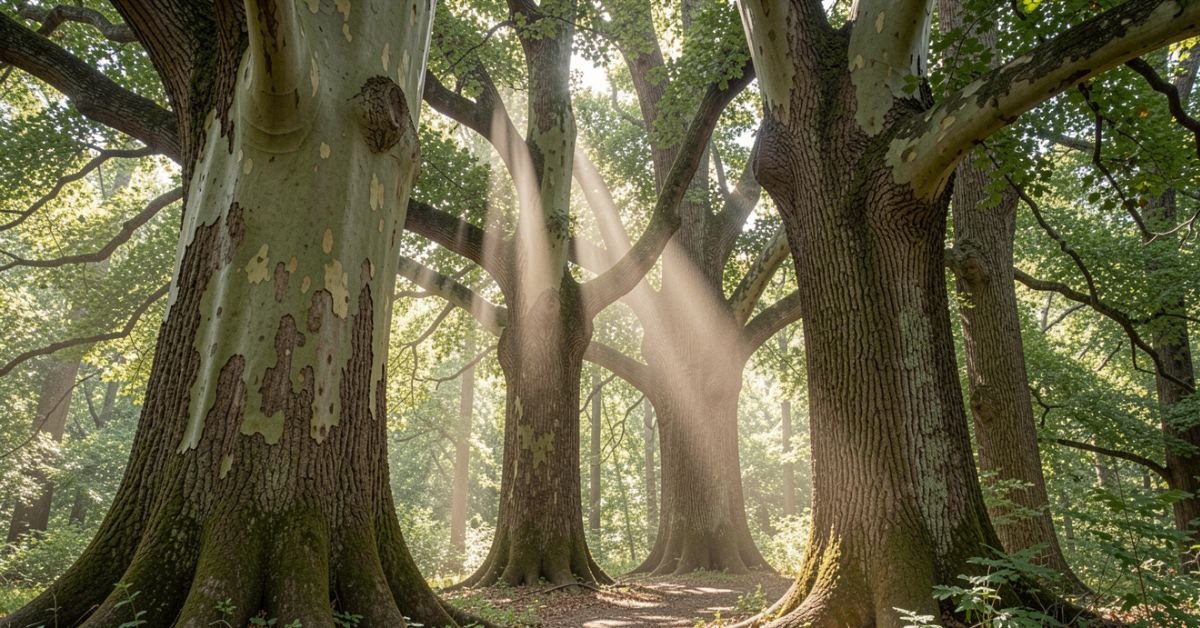
Ohio is home to some of the most impressive trees in the eastern United States, and central Ohio particularly the area surrounding Lewis Center in Delaware County is no exception. Whether you are a nature lover, a local historian, or simply someone who appreciates the quiet grandeur of a centuries-old oak, exploring the champion trees of this region is a rewarding experience.
This guide covers everything you need to know: where to find Ohio’s recognized champion trees near Lewis Center, how the champion tree designation works, and how you can even nominate a candidate yourself.
What Are Champion Trees?
A champion tree is not simply a tree that is old. It is the largest known living specimen of its species verified, measured, and recorded on an official registry. The concept exists at both the national and state level, with distinct programs recognizing different tiers of record-holders.
The National Program by American Forests
American Forests, one of the oldest nonprofit conservation organizations in the United States, manages the National Champion Tree Program. Since 1940, this program has maintained a registry of the largest known tree of each species in the country. These trees represent living landmarks biological records of scale and survival that no monument can replicate.
Trees are nominated by the public, verified by certified foresters or state forestry agencies, and added to the national registry if they surpass all previously recorded specimens of the same species. The registry is dynamic: a champion can be surpassed by a larger specimen at any time, or it may be removed if a re-verification visit finds it has died or declined.
How Trees Are Crowned ‘Champion’
Both the national program and the Ohio state program use a standardized points-based formula to determine which specimen is the largest. The formula is straightforward:
| Measurement | How to Measure | Points Contribution |
| Circumference | Measure trunk at 4.5 feet above ground | 1 point per inch |
| Height | Use a clinometer or laser rangefinder | 1 point per foot |
| Crown Spread | Average of widest & narrowest spread | 1/4 point per foot |
| Total Score | Circumference + Height + (Crown Spread / 4) | Higher = stronger champion candidate |
For example, a tree with a circumference of 180 inches, a height of 90 feet, and a crown spread of 80 feet would earn 180 + 90 + 20 = 290 points. The higher the score, the stronger the claim to the champion title. This formula ensures fair comparison across species with different growth habits a towering cottonwood and a wide-spreading oak are evaluated on the same objective scale.
Where to Find Champion Trees Near Lewis Center, Ohio
Lewis Center sits in the heart of Delaware County, north of Columbus, in a landscape shaped by glacial activity, river valleys, and centuries of forest cover. While the city limits of Lewis Center do not currently host a formally registered state champion tree, the surrounding area including several metro parks and state parks within a short drive contains remarkable specimens that rank among Ohio’s finest.
Highbanks Metro Park Closest Major Park to Lewis Center
Located just minutes south of Lewis Center off U.S. Route 23, Highbanks Metro Park is one of the premier natural areas in central Ohio. The park encompasses over 1,200 acres of upland forest, meadows, and the dramatic shale cliffs that give the park its name, overlooking the Olentangy River.
Highbanks is home to mature stands of Northern Red Oak (Quercus rubra), Ohio Buckeye (Aesculus glabra) the official state tree and Eastern Cottonwood (Populus deltoides) along the riverbanks. While a formal state champion may not be tagged within the park’s boundaries, dendrologists and arborists have noted exceptionally large specimens here that merit measurement. If you visit with a measuring tape and clinometer, you may be looking at a nominee.
- Best trail for large trees: Dripping Rock Trail and the Overlook Trail ridge sections
- Look for: Northern Red Oak, Ohio Buckeye, Shagbark Hickory, and Tulip Poplar
- Accessibility: Paved parking, restrooms, accessible trailheads available
Alum Creek State Park & Delaware County
Just east of Lewis Center, Alum Creek State Park offers a different landscape one dominated by the reservoir shoreline, open woodlands, and riparian zones along Alum Creek itself. Eastern Cottonwood trees are particularly notable in this environment, as they thrive in moist, open soils near water and can achieve enormous trunk circumferences in relatively short timeframes compared to slow-growing oaks.
The Delaware County countryside surrounding the reservoir also contains private woodlots and old farmstead trees that have never been formally measured. Trees planted as property boundaries or shade trees in the 1800s may have grown to remarkable size. If you own or have access to such land, these are excellent candidates for ODNR nomination.
- Notable species: Eastern Cottonwood, Sycamore, Silver Maple, Box Elder
- Best areas: Shoreline access points along the western reservoir bank
- Tip: Cottonwood champions are often found on exposed floodplain edges where competition is low
Historic Champion Trees in Nearby Columbus Parks
A short drive south from Lewis Center brings you into Columbus, where the City’s Recreation and Parks Department maintains several trees that have appeared on the Ohio state champion registry. These trees are accessible to the public and represent some of the most unusual and storied specimens in central Ohio.
Columbus parks are particularly notable for champion-level non-native ornamental species trees planted generations ago that have outgrown every other known example of their kind in the state. Among the species historically recorded in Columbus parks:
- Chinese Catalpa (Catalpa ovata) A fast-growing ornamental species, with notable specimens found in Columbus park settings
- Smoothleaf Elm (Ulmus carpinifolia) A European elm variety with a long history in Ohio’s urban forest
- Biltmore Ash (Fraxinus americana var. biltmoreana) A variety of white ash recorded in the state registry from central Ohio locations
- Wych Elm (Ulmus glabra) A Scottish native species occasionally planted in Ohio parks during the 19th century
Parks to visit from Lewis Center (30–45 minutes): Goodale Park (Short North), Schiller Park (German Village), and Whetstone Park of Roses. Each contains old-growth and ornamental trees of significant age and size.
How to Nominate a Tree in Ohio
Ohio’s champion tree program is administered by the Ohio Department of Natural Resources (ODNR) Division of Forestry. The program is open to the public: any Ohio resident can nominate a tree they believe may be the largest known specimen of its species in the state. The process is straightforward, and no professional credentials are required to submit a nomination.
Step-by-Step Nomination Guide
- Identify your candidate tree. Any tree species native or non-native is eligible. The tree must be alive and measurable.
- Obtain permission if the tree is on private property. Written or verbal permission from the landowner is required before you can measure or nominate.
- Measure the tree using the standard three-metric formula: circumference at 4.5 feet above ground, total height, and average crown spread.
- Record the GPS coordinates or the exact address/legal description of the tree’s location.
- Photograph the tree: include a full-height photo, a close-up of the bark and leaf structure, and a photo of you next to the trunk for scale.
- Submit your nomination to ODNR Division of Forestry via their official nomination form. Include all measurements, photographs, and location data.
- ODNR staff or a certified forester will conduct a verification visit. If your nominee surpasses the current record-holder, it will be added to the Ohio Big Tree Registry.
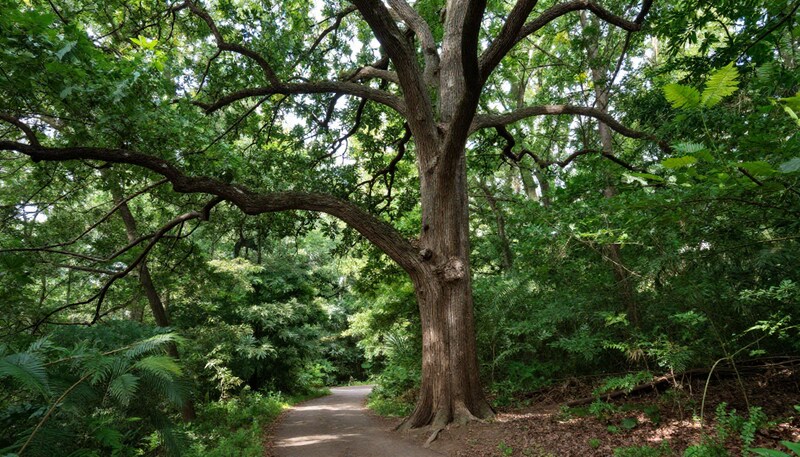
Tools You Will Need for Measuring
- Diameter tape or flexible measuring tape (at least 20 feet for large trunks)
- Clinometer or smartphone app with angle measurement for height estimation
- Laser rangefinder (optional, but significantly improves height accuracy)
- GPS device or smartphone with location services enabled
- Camera with good resolution for documentation photographs
- Notebook or field sheet for recording raw measurements before calculating the score
For height measurement, the most common field method involves standing a known distance from the base of the tree (typically 100 feet), measuring the angle to the top with a clinometer, and using basic trigonometry to calculate the height. Many smartphone apps automate this calculation.
Why Champion Trees Matter
Champion trees are more than biological curiosities. They are living monuments to the resilience of nature, markers of ecological history, and anchors of community identity. Understanding their value helps explain why programs like the ODNR Big Tree Registry and the American Forests National Champion Tree Program have endured for decades.
Environmental & Community Benefits
A mature, large-canopied tree provides ecosystem services on a scale that no young sapling can match. Research has consistently shown that large, old trees contribute disproportionately to:
- Carbon sequestration storing decades of atmospheric carbon in wood mass
- Stormwater management root systems absorb runoff and reduce flooding risk
- Urban heat reduction large canopies shade pavement and reduce ambient temperatures
- Wildlife habitat cavities, bark textures, and canopy layers support bird, mammal, and insect populations
- Air quality improvement leaves filter particulate matter and produce oxygen
- Psychological wellbeing research links proximity to mature trees with reduced stress and improved mental health
Historical Significance
Many champion trees in Ohio predate European settlement of the region. A large Eastern Cottonwood near a Delaware County riverbank may have been a sapling when Indigenous communities traveled the Olentangy corridor. An ancient oak in a Columbus park may have witnessed the founding of the city itself.
These trees are sometimes called ‘witness trees’ living organisms that have endured across centuries of change, from forest clearance and agricultural conversion to urbanization and climate shifts. Recognizing and protecting them connects communities to a deep and tangible natural history that no photograph or document can fully replicate.
Frequently Asked Questions
Are there any champion trees in Lewis Center, Ohio?
The current Ohio Big Tree Registry does not list a formally verified state champion within the municipal boundaries of Lewis Center. However, Highbanks Metro Park and Alum Creek State Park both within a short drive of Lewis Center contain large, mature trees of significant size that may not yet have been formally nominated. Delaware County as a whole contains many old farmstead and woodland trees that are strong candidates for nomination.
What is the biggest tree in Ohio?
Ohio’s Big Tree Registry, maintained by the ODNR Division of Forestry, lists the current record-holder for each species. The registry is updated when new champions are verified or when existing champions fail re-verification. To find the current largest tree in Ohio by species, visit the ODNR Division of Forestry website and access the most recent published list, as records change frequently.
How do I measure a tree for the champion tree registry?
Use the standard formula: measure trunk circumference in inches at 4.5 feet above ground level, measure total tree height in feet using a clinometer or laser rangefinder, and calculate average crown spread in feet. Your total point score equals: Circumference (inches) + Height (feet) + (Crown Spread in feet divided by 4). Submit this score along with photographs and GPS coordinates to ODNR for verification.
Can I nominate a tree on private property?
Yes. Many of Ohio’s state champion trees are located on private land, including farms, estates, and residential properties. You will need permission from the landowner before measuring or submitting a nomination. The landowner’s name and contact information are typically included in the submission and kept on file by ODNR, though the registry listing itself is public.
Who verifies champion trees in Ohio?
The Ohio Department of Natural Resources (ODNR) Division of Forestry manages the Ohio Big Tree Registry and oversees the verification process. After a public nomination is submitted, ODNR staff or a certified consulting forester conducts a field visit to confirm the species identification and remeasure the tree. If the verified measurements exceed the current record-holder for that species, the tree is officially designated as the new state champion.
What is the difference between a national champion and a state champion?
A state champion tree is the largest known living specimen of its species within Ohio, as verified by ODNR. A national champion, maintained by American Forests, is the largest known living specimen of that species anywhere in the United States. Ohio’s state champions are not automatically national champions a larger specimen may exist in another state. However, Ohio does hold several national champion records, particularly for species that reach their maximum size in the Midwest.
Plan Your Visit
Exploring champion trees near Lewis Center is a rewarding way to connect with Ohio’s natural heritage. Whether you are hiking the wooded ridgelines of Highbanks Metro Park, walking the Alum Creek shoreline, or spending an afternoon in Columbus’s historic parks, you are surrounded by trees that have witnessed generations of change.
Consider bringing a field notebook, a measuring tape, and a camera. The next champion tree in Delaware County may be waiting in a corner of the woods that no one has thought to measure yet and it could be you who finds it.
Additional Resources
- ODNR Division of Forestry Ohio Big Tree Registry: ohiodnr.gov
- American Forests National Champion Tree Program: americanforests.org/champion-trees
- Highbanks Metro Park: metroparks.net/parks-and-trails/highbanks
- Alum Creek State Park: ohiodnr.gov/go-and-do/plan-a-visit/find-a-property/alum-creek-state-park

Fanquer describes a mode of engagement characterized by active involvement, shared influence, and two-way communication. It is a paradigm shift a departure from the traditional model where value flows in a single direction (from creator to audience) toward a dynamic where value is co-created by all participants.
The word itself evokes the idea of “fanning” participation igniting and sustaining active contribution from an audience that would otherwise remain passive. In a fanquer model, the audience is not merely the end-point of a message; it is a living part of the system that produces, shapes, and refines that message over time.
This is not simply about adding a comment section to a blog or opening a suggestion box. Fanquer implies that audience input has genuine, tangible influence on outcomes that participation actually changes something.
The Three Pillars of Fanquer: Interaction, Personalization, and Community
Every effective fanquer system rests on three foundational pillars:
- Interaction: Real-time or asynchronous mechanisms polls, Q&A sessions, voting, live feedback that allow audiences to contribute meaningfully. Interaction is the engine that drives participation.
- Personalization: The system must respond to individual preferences and recognize the relevance of each contributor’s input. When people feel seen and heard as individuals, not as a mass audience, their engagement deepens.
- Community: Fanquer thrives in shared environments where like-minded enthusiasts can connect, collaborate, and build on each other’s ideas. Community is the soil in which co-creation grows.
Why Fanquer Matters: Key Benefits for Creators and Communities
Creators and Brands: Deeper Loyalty and Actionable Insights
When creators and brands adopt fanquer principles, the returns go far beyond increased engagement metrics. The benefits are structural and strategic:
- Audience insights: Participatory systems generate rich, qualitative data about what audiences actually value data that traditional analytics cannot capture.
- Innovation through co-creation: Some of the most successful product updates, creative directions, and community initiatives have emerged directly from audience input. Fanquer turns your community into a distributed innovation engine.
- Increased loyalty: When audiences have a stake in something, they become invested in its success. A fan who helped choose the direction of a project is far more committed to its outcome than a passive viewer.
- Resilience and adaptability: Organizations that genuinely incorporate audience feedback are more responsive to changing needs, making them more adaptable over time.
Fans and Users: Agency, Influence, and Genuine Connection
The benefits of fanquer are not one-sided. For participants, the psychological and social payoff is equally significant:
- Agency and empowerment: Contributing to something you care about and seeing that contribution acknowledged is deeply motivating. Fanquer restores a sense of agency to audiences who have long been passive recipients.
- Influence: In a fanquer model, fans are not just heard; they have measurable impact. This transforms the relationship from transactional to truly collaborative.
- Deeper engagement: Active participation creates stronger emotional investment. Audiences who co-create are more attentive, more enthusiastic, and more likely to remain loyal long-term.
- Community connection: Fanquer naturally fosters bonds between participants who share common interests, creating organic social networks built around genuine shared purpose.
Fanquer in Action: Real-World Examples and Applications
Entertainment and Media: From Viewers to Story-Shapers
The entertainment industry has been one of the earliest adopters of fanquer principles, driven by the realization that audiences want more than passive viewing experiences.
Interactive storytelling platforms allow viewers to choose narrative paths, effectively becoming co-authors of the story. Streaming services that use viewer data to commission new content are practicing a form of fanquer letting audience preferences guide creative investment. Musicians who let fans vote on setlists, album artwork, or even unreleased tracks create a sense of co-ownership that translates directly into deeper fan loyalty. In documented cases, brands that shifted to participatory content models reported engagement rates significantly higher than those using traditional broadcast methods.
Gaming: The Native Home of Co-Creation
No industry embodies fanquer more naturally than gaming. The most successful games today are not static products but living ecosystems shaped by continuous player feedback.
Games like Minecraft, Fortnite, and No Man’s Sky have demonstrated the power of treating players as creative partners. Minecraft’s community-driven content has kept the game culturally relevant for over a decade. Fortnite’s seasonal events often incorporate community speculation and feedback, making players feel like active participants in the game’s evolving story. Player feedback directly shapes patches, balance updates, and new feature development a textbook example of fanquer in practice.
Professional and Organizational Settings: Flattening Hierarchies for Better Ideas
Fanquer principles are equally powerful within organizations. Traditional top-down decision-making suffers from information bottlenecks and disengaged teams. Companies that implement participatory decision-making frameworks using idea management platforms, cross-functional feedback loops, and transparent communication channels consistently report higher employee engagement, better idea quality, and faster adaptation to market changes.
In one documented pattern, organizations that implemented structured participatory decision-making saw marked improvements in both idea implementation rates and employee retention. The reason is straightforward: when people have genuine influence over their environment, they invest more in its success.
How to Implement a Fanquer Strategy: A Practical Guide
This section addresses the most significant gap in existing fanquer literature: the practical “how.” The following four-step framework provides an actionable roadmap for any creator, community manager, or organizational leader.
Choose the Right Technological Enablers
The right tools depend on your goals and community size, but the following categories cover most use cases:
- Community Platforms (Discord, Circle, Mighty Networks): Ideal for building persistent, interactive communities where ongoing co-creation can occur.
- Feedback and Polling Tools (Slido, StrawPoll, Typeform): Perfect for structured, time-sensitive input setlist votes, product feedback, event decisions.
- Idea Management Platforms (IdeaScale, Aha! Ideas): Designed for organizations that want to systematically collect, evaluate, and implement community-generated ideas.
- Analytics and Listening Tools (Brandwatch, Sprout Social): Essential for understanding organic community sentiment and identifying emerging themes before they become trends.
The key is not to adopt every tool, but to choose the ones that match your community’s habits and your capacity to act on the input you receive.

Design Feedback Loops and Participation Mechanics
Tools alone are insufficient. You need to design participation mechanics that make contributing easy, rewarding, and meaningful:
- Define the scope of participation: Be explicit about what community members can and cannot influence. Ambiguity breeds frustration.
- Make participation frictionless: Polls and quick-vote mechanisms lower the barrier to entry. Reserve longer-form contributions for highly engaged members.
- Close the loop visibly: Always communicate back to the community how their input was used. “You voted, and here’s what we changed” is one of the most powerful sentences in fanquer.
- Create tiered participation: Not everyone wants the same level of involvement. Design lightweight options (one-click polls) alongside deep engagement opportunities (collaborative ideation sessions).
Foster a Transparent and Inclusive Governance Model
Participation without governance becomes chaos. A robust fanquer system requires clear principles:
- Transparency: Be open about how decisions are made and how community input factors into them. Hidden decision-making erodes trust rapidly.
- Fairness: Establish clear objectives and evaluation criteria so that contributions are assessed consistently, not based on who shouts loudest.
- Recognition: Acknowledge contributors publicly and specifically. Recognition is a powerful motivator that costs nothing and sustains long-term participation.
- Accountability: Designate clear ownership for acting on community input. Without accountability, feedback loops decay.
- Hybrid models: The most effective fanquer systems are not pure democracies. They combine community input with expert judgment, maintaining creative direction while genuinely incorporating audience influence.
Measure Success with the Right KPIs
Beyond vanity metrics like likes and shares, a mature fanquer strategy tracks meaningful indicators of participatory health:
- Participation Rate: What percentage of your community actively contributes in a given period?
- Contribution Quality Score: Are the ideas and feedback you receive actionable and high-quality? Track implementation rates.
- Idea Implementation Rate: Of the ideas submitted by the community, what percentage are actually adopted or piloted?
- Community Growth Rate: Is active participation attracting new members organically?
- Net Promoter Score (NPS): Do community members recommend the space to others? High NPS is a strong indicator of genuine investment.
- Member Retention Rate: Are participants staying engaged over time? Retention is the ultimate metric of a healthy co-creative community.
Navigating the Challenges of Participatory Systems
Managing the Noise: Avoiding Information Overload
One of the most common failure modes of fanquer initiatives is drowning in feedback without a system to synthesize it. Organizations and creators often start strong launching polls, opening forums, soliciting ideas and then find themselves paralyzed by the volume and diversity of input they receive.
The solution is structured processes: categorize incoming feedback before reviewing it, establish clear themes and priorities, and resist the urge to respond to every individual contribution. A well-designed fanquer system channels input into clear streams that decision-makers can act on without becoming overwhelmed.
Ensuring Balanced Participation: Giving Everyone a Voice
In any participatory system, there is a natural tendency for vocal minorities to dominate. Frequent contributors, confident personalities, and those with more time or technical literacy will naturally participate more and their voices can drown out the broader community.
Mitigating this requires deliberate design choices: anonymous voting options, structured prompts that invite quieter voices, active outreach to underrepresented segments, and moderation frameworks that ensure diverse perspectives are heard. Inclusion is not passive; it requires active effort.
The Future of Fanquer: Trends Shaping the Next Era of Engagement
Several emerging technologies are set to dramatically expand the scope and depth of fanquer:
- Artificial Intelligence: AI enables personalization at scale that was previously impossible. Systems can now tailor participation experiences to individual preferences, surface the most relevant contributions, and synthesize feedback in real time removing many of the bottlenecks that have historically limited fanquer’s scalability.
- Virtual and Augmented Reality: Immersive environments will transform participation from text-based interaction to spatial, embodied collaboration. The concept of co-creating in a shared virtual space will redefine what community engagement means.
- Blockchain and Decentralized Ownership: Emerging models of decentralized governance allow community members to have verifiable, enforceable stakes in shared projects. This moves fanquer from a principle of influence to one of genuine ownership a profound evolution with significant implications for creative and commercial ecosystems.
These technologies will not replace the core principles of fanquer transparency, inclusion, genuine responsiveness but they will provide new and more powerful tools to enact them.
Frequently Asked Questions About Fanquer
What is fanquer in simple terms?
Fanquer is a modern approach to engagement where audiences are active participants co-creators rather than passive consumers. It is about giving fans a genuine voice and a real stake in the content, community, or project they care about.
How is fanquer different from regular social media engagement?
Standard social media interaction is largely broadcast-based: creators post, audiences react, but those reactions rarely change anything fundamental. Fanquer implies a deeper, two-way loop where audience input through voting, ideation, or collaborative contribution tangibly influences decisions, creative directions, and outcomes.
What are some clear examples of fanquer?
A musician letting fans vote on a concert setlist. A game studio incorporating player feedback into a major patch. A streaming service commissioning shows based on viewer demand. A company using an internal idea platform to let employees drive product innovation. All of these are expressions of fanquer in practice.
What tools do I need to get started?
The right tools depend on your context. Community platforms like Discord or Circle are excellent for ongoing participation. Polling tools like Slido work for structured, time-bound feedback. For deeper ideation, platforms like IdeaScale offer more robust infrastructure. Start simple even a well-run community poll is a form of fanquer.
Conclusion
Fanquer represents more than a content strategy or a community management technique. It is a fundamental reorientation of the relationship between creators and audiences, organizations and members, brands and fans. It acknowledges what the most successful communities have always known: that the people who care most about something are also its most valuable resource.
The shift fanquer represents is not optional. Audiences have already changed they expect participation, they demand responsiveness, and they reward co-creation with the one thing no budget can buy: genuine loyalty. The question is not whether to embrace fanquer, but how to implement it well.

Wat Wax is a modern, versatile term describing a category of wax-based formulations engineered for a specific purpose: maximum performance with minimal effort. Unlike single-source waxes such as pure beeswax or paraffin, Wat Wax typically refers to a blended or optimized formula designed to outperform traditional alternatives in ease of application, skin compatibility, and lasting results.
What Exactly Is Wat Wax? Understanding the Basics
Before diving into applications and techniques, it helps to understand the foundation of what makes Wat Wax distinct from conventional wax products on the market today.
The Origin of the Term
“Wat” functions primarily as a brand identifier or a stylized prefix rather than a recognized chemical designation. Like many digital-era product names, it emerged organically through online communities, beauty forums, and DIY enthusiast groups looking for a shorthand to describe a new generation of high-performance wax formulations. The term is concise, memorable, and communicates modernity all qualities that resonate in both the beauty and craft supply markets.
As these coined terms gain traction through digital usage and organic keywords, they begin to carry genuine commercial meaning. Today, “Wat Wax” is broadly understood to refer to any wax-based product positioned as a smarter, more versatile alternative to its traditional counterparts.
Wat Wax vs Traditional Waxes: A Direct Comparison
The table below compares Wat Wax against two of the most common traditional waxes beeswax and paraffin across the dimensions that matter most to both consumers and professionals.
| Feature | Wat Wax | Beeswax | Paraffin Wax |
| Source | Blended / Formulated | Natural (bees) | Petroleum-derived |
| Melting Point | Optimized for task | 62–65°C | 46–68°C |
| Skin Sensitivity | High (soothing agents) | Moderate | Low |
| Versatility | Very High | Moderate | High |
| Eco-Friendly | Often Yes | Yes | No |
| Ease of Use | High | Moderate | High |
The key takeaway: Wat Wax formulations are engineered to close the gap between natural and synthetic waxes, delivering the eco-friendly, skin-compatible properties of natural options with the ease of use and versatility of synthetic ones.
Top Applications of Wat Wax in Daily Life
Wat Wax has carved out a strong presence in two very different but equally enthusiastic communities: the beauty and personal care world, and the DIY and crafting world. Understanding where it excels in each helps you choose the right formulation for your needs.
For Hair Removal: Achieving Smooth, Long-Lasting Results
The most popular consumer application for Wat Wax is professional-quality hair removal at home. Its formulation is designed to adhere firmly to hair shafts rather than gripping the skin itself, which is the fundamental principle behind effective, low-irritation waxing.
When used for hair removal, Wat Wax offers several distinct advantages over traditional drugstore wax kits: a lower optimal application temperature, better adhesion to fine and coarse hair alike, and a smoother finish that reduces the need for multiple passes over the same area.
Hard Wax vs Soft Wax: Which Is Right for Your Area?
Not all wax formulations behave the same way, and choosing between hard and soft varieties is one of the most important decisions in your waxing routine. The table below simplifies the decision.
| Wax Type | Best For | Key Advantage |
| Hard Wax | Bikini line, face, underarms | Grips hair only not skin |
| Soft Wax | Legs, arms, back | Fast coverage on large areas |
| Sugar Wax | Sensitive skin, full body | Water-soluble, natural formula |
For sensitive areas such as the bikini line and face, hard wax is strongly preferred because it hardens around the hair rather than bonding to the skin. This reduces redness, irritation, and post-wax inflammation significantly. For larger surface areas such as the legs, soft wax applied with cloth strips is faster and equally effective when the technique is sound.
DIY and Crafting: Protection, Finish, and Function
Beyond beauty, Wat Wax has earned a loyal following among crafters, woodworkers, and furniture restorers. Its strong adhesion and ability to dry clear make it an exceptional choice for:
- Sealing and waterproofing wood surfaces, including cutting boards and raw timber
- Adding a glossy, protective finish to furniture during restoration projects
- Waterproofing fabric for outdoor applications, such as canvas bags or garden cushions
- Crafting projects requiring a clean, durable, non-toxic coating
In DIY applications, the eco-friendly, non-toxic nature of high-quality Wat Wax formulations is a major selling point particularly for parents and pet owners who want a surface finish that is safe for household contact.

The Critical Question: Is Wat Wax Safe for Sensitive Skin?
For many first-time users, the most pressing concern is whether waxing and Wat Wax in particular is appropriate for sensitive skin types. The short answer is yes, with the right preparation and formulation.
Debunking the Pain Myth
A widespread misconception is that waxing is inherently painful and damaging for sensitive skin. In reality, the perception of pain and post-wax irritation such as redness, inflammation, and discomfort is most often the result of poor technique or incorrect wax temperature, not the wax formulation itself.
When the wax is heated to the correct temperature (warm to the touch, never boiling) and removed swiftly in the correct direction, the experience is far more comfortable than most first-timers expect. Repeated waxing also tends to become progressively less uncomfortable as the hair grows back finer over time.
How Formulation Affects Sensitivity
The ingredient list of your chosen Wat Wax product makes a meaningful difference for sensitive skin types. Look for formulations that include natural, hypoallergenic soothing agents such as:
- Aloe vera a clinically recognized anti-inflammatory and skin-soothing compound
- Chamomile extract known for calming redness and reducing post-wax irritation
- Titanium dioxide a common, gentle opacifier used in dermatologist-tested formulas
Products marketed as non-toxic, eco-friendly, and free from synthetic fragrances or artificial colorings are generally the safest starting point for those with reactive skin. If you have a known skin condition, a brief patch test on the inner arm 24 hours before your first full application is always recommended.
How to Use Wat Wax: A Step-by-Step Guide
Proper technique is the single biggest factor determining your results. Whether you are waxing for hair removal or applying a finish for a craft project, following a structured process protects both you and your surface.
Pre-Wax Preparation
Preparation is as important as the application itself. For hair removal, follow these steps in the 24 hours before waxing:
- Exfoliate gently: Use a mild scrub or exfoliating glove to remove dead skin cells. This prevents ingrown hairs and allows the wax to grip hair more efficiently.
- Check hair length: Hair should be at least 0.5–1 cm long for the wax to adhere properly. Too short and the wax will not grip; too long and it may cause unnecessary discomfort.
- Clean and dry: Ensure the skin is completely free of oils, lotions, or moisturizers. Residue on the skin reduces wax adhesion and increases the chance of irritation.
The Application Process
Heating and applying the wax correctly is where most at-home mistakes occur. Always follow these guidelines:
- Heat the wax slowly and evenly, using a dedicated wax warmer if possible. The target consistency is honey-like fluid enough to spread, thick enough to hold.
- Test the temperature on your inner wrist before applying to sensitive areas.
- Apply the wax in thin, even layers in the direction of hair growth. Thick application wastes product and makes removal harder.
- For hard wax, allow it to set until it is firm but still slightly flexible before removing. For soft wax, apply a cloth strip immediately after spreading.
- Remove quickly and firmly in the opposite direction of hair growth, parallel to the skin not at an upward angle.
Post-Wax Care for Lasting Results
Aftercare determines how your skin looks and feels in the days following treatment. Follow these steps to maintain smooth, irritation-free skin:
- Avoid sun exposure, heat (saunas, hot baths), and tight clothing for at least 24 hours after waxing.
- Apply a soothing post-wax lotion or pure aloe vera gel immediately after treatment to calm redness and reduce inflammation.
- Keep skin hydrated daily with a fragrance-free moisturizer to extend the smoothness of results.
- Avoid exfoliating for 48 hours post-wax to prevent irritation on freshly treated skin.
Key Benefits of Wat Wax at a Glance
Wat Wax has earned its popularity by delivering a combination of qualities that few single-formula waxes can match. Here is a summary of the most significant advantages reported by consistent users:
- Smooth, long-lasting results with proper technique, results typically last 3–6 weeks
- Versatility one product category effective across beauty, crafting, and protective coating applications
- Skin compatibility natural ingredients and hypoallergenic formulations suit most skin types
- Eco-friendly profile many Wat Wax products are non-toxic, biodegradable, and sustainably sourced
- Professional-quality finish at home reduced need for expensive salon appointments
- Reduced friction and enhanced surface protection in craft and DIY applications
Frequently Asked Questions About Wat Wax
The questions below represent the most common queries from first-time buyers and experienced users alike.
| Question | Answer |
| What does Wat Wax mean? | It is a modern, versatile term used to describe a category of wax-based products designed for specific uses like hair removal or surface protection, rather than a single chemical entity. |
| Is Wat Wax safe for sensitive skin? | Yes, especially if you choose a hard wax formulation with natural, soothing ingredients like chamomile or aloe vera. The key is proper pre- and post-care. |
| Can I use Wat Wax for DIY projects? | Absolutely. Its strong adhesion and ability to dry clear make it excellent for sealing wood, waterproofing fabric, and adding a protective finish to crafts. |
| How is Wat Wax different from regular wax? | Wat Wax implies a modern, optimized formulation for ease of use and versatility, whereas traditional waxes like pure beeswax may require more preparation and have a narrower range of applications. |
| Does Wat Wax expire? | While it does not expire like food, natural ingredients can degrade over time. Use it within 2–3 years and store it in a cool, dry place away from direct sunlight. |
Final Thoughts
Wat Wax represents a genuine evolution in the wax product category blending the best qualities of natural and synthetic formulations into a versatile solution that performs across multiple applications. Whether your goal is long-lasting smooth skin, a professional-grade furniture finish, or a safe and effective DIY sealant, there is a Wat Wax formulation built for the task.
The key to getting the best results lies in understanding your specific need, choosing the right formulation, and following a disciplined pre- and post-application routine. With the guidance in this article, you are fully equipped to make an informed choice and get professional-quality results from the very first use.

 SCIENCE8 months ago
The Baby Alien Fan Bus Chronicles
- BUSINESS9 months ago
Mastering the Art of Navigating Business Challenges and Risks
- WORLD6 months ago
Money Heist Season 6: Release Date, Cast & Plot
- BUSINESS8 months ago
Newport News Shipbuilding Furloughs Hit Salaried Workers
- BUSINESS6 months ago
Top Insights from FintechZoom.com Bitcoin Reports
- WORLD9 months ago
Rainborne Royals: The Rise of Winged Termites
- WORLD9 months ago
Rainwalkers: The Secret Life of Worms in the Wet
- TECH6 months ago
VK Video Downloader: How to Save Videos Easily