
BLOG
Champion Trees Near Lewis Center, Ohio A Guide to Central Ohio’s Largest & Oldest Giants

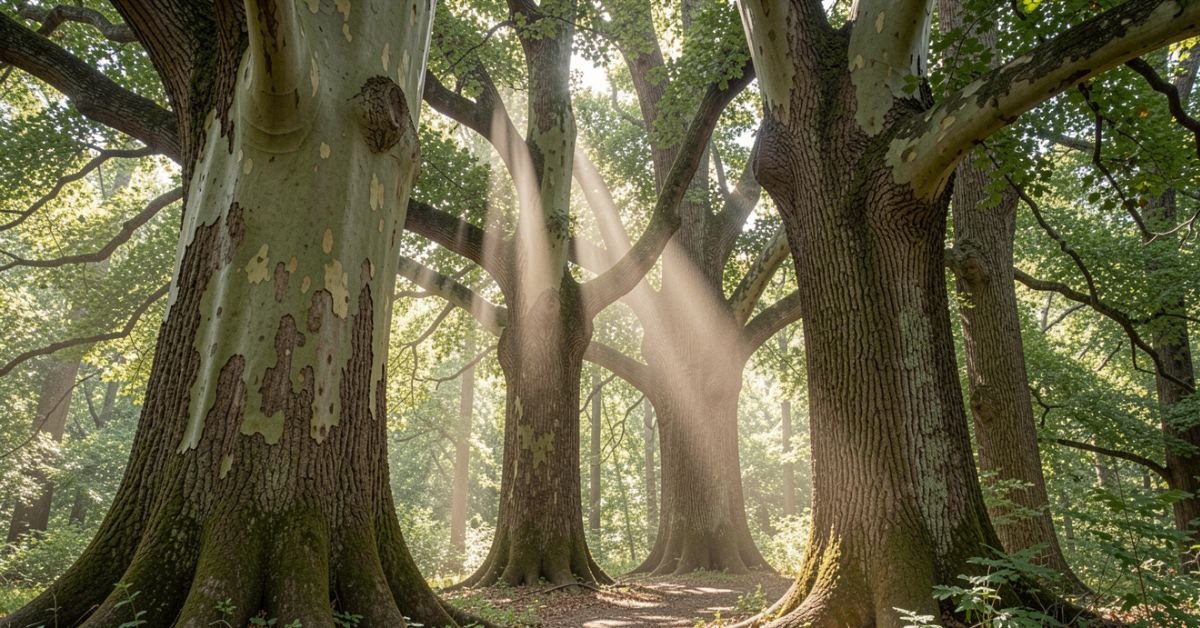
Ohio is home to some of the most impressive trees in the eastern United States, and central Ohio particularly the area surrounding Lewis Center in Delaware County is no exception. Whether you are a nature lover, a local historian, or simply someone who appreciates the quiet grandeur of a centuries-old oak, exploring the champion trees of this region is a rewarding experience.
This guide covers everything you need to know: where to find Ohio’s recognized champion trees near Lewis Center, how the champion tree designation works, and how you can even nominate a candidate yourself.
What Are Champion Trees?
A champion tree is not simply a tree that is old. It is the largest known living specimen of its species verified, measured, and recorded on an official registry. The concept exists at both the national and state level, with distinct programs recognizing different tiers of record-holders.
The National Program by American Forests
American Forests, one of the oldest nonprofit conservation organizations in the United States, manages the National Champion Tree Program. Since 1940, this program has maintained a registry of the largest known tree of each species in the country. These trees represent living landmarks biological records of scale and survival that no monument can replicate.
Trees are nominated by the public, verified by certified foresters or state forestry agencies, and added to the national registry if they surpass all previously recorded specimens of the same species. The registry is dynamic: a champion can be surpassed by a larger specimen at any time, or it may be removed if a re-verification visit finds it has died or declined.
How Trees Are Crowned ‘Champion’
Both the national program and the Ohio state program use a standardized points-based formula to determine which specimen is the largest. The formula is straightforward:
| Measurement | How to Measure | Points Contribution |
| Circumference | Measure trunk at 4.5 feet above ground | 1 point per inch |
| Height | Use a clinometer or laser rangefinder | 1 point per foot |
| Crown Spread | Average of widest & narrowest spread | 1/4 point per foot |
| Total Score | Circumference + Height + (Crown Spread / 4) | Higher = stronger champion candidate |
For example, a tree with a circumference of 180 inches, a height of 90 feet, and a crown spread of 80 feet would earn 180 + 90 + 20 = 290 points. The higher the score, the stronger the claim to the champion title. This formula ensures fair comparison across species with different growth habits a towering cottonwood and a wide-spreading oak are evaluated on the same objective scale.
Where to Find Champion Trees Near Lewis Center, Ohio
Lewis Center sits in the heart of Delaware County, north of Columbus, in a landscape shaped by glacial activity, river valleys, and centuries of forest cover. While the city limits of Lewis Center do not currently host a formally registered state champion tree, the surrounding area including several metro parks and state parks within a short drive contains remarkable specimens that rank among Ohio’s finest.
Highbanks Metro Park Closest Major Park to Lewis Center
Located just minutes south of Lewis Center off U.S. Route 23, Highbanks Metro Park is one of the premier natural areas in central Ohio. The park encompasses over 1,200 acres of upland forest, meadows, and the dramatic shale cliffs that give the park its name, overlooking the Olentangy River.
Highbanks is home to mature stands of Northern Red Oak (Quercus rubra), Ohio Buckeye (Aesculus glabra) the official state tree and Eastern Cottonwood (Populus deltoides) along the riverbanks. While a formal state champion may not be tagged within the park’s boundaries, dendrologists and arborists have noted exceptionally large specimens here that merit measurement. If you visit with a measuring tape and clinometer, you may be looking at a nominee.
- Best trail for large trees: Dripping Rock Trail and the Overlook Trail ridge sections
- Look for: Northern Red Oak, Ohio Buckeye, Shagbark Hickory, and Tulip Poplar
- Accessibility: Paved parking, restrooms, accessible trailheads available
Alum Creek State Park & Delaware County
Just east of Lewis Center, Alum Creek State Park offers a different landscape one dominated by the reservoir shoreline, open woodlands, and riparian zones along Alum Creek itself. Eastern Cottonwood trees are particularly notable in this environment, as they thrive in moist, open soils near water and can achieve enormous trunk circumferences in relatively short timeframes compared to slow-growing oaks.
The Delaware County countryside surrounding the reservoir also contains private woodlots and old farmstead trees that have never been formally measured. Trees planted as property boundaries or shade trees in the 1800s may have grown to remarkable size. If you own or have access to such land, these are excellent candidates for ODNR nomination.
- Notable species: Eastern Cottonwood, Sycamore, Silver Maple, Box Elder
- Best areas: Shoreline access points along the western reservoir bank
- Tip: Cottonwood champions are often found on exposed floodplain edges where competition is low
Historic Champion Trees in Nearby Columbus Parks
A short drive south from Lewis Center brings you into Columbus, where the City’s Recreation and Parks Department maintains several trees that have appeared on the Ohio state champion registry. These trees are accessible to the public and represent some of the most unusual and storied specimens in central Ohio.
Columbus parks are particularly notable for champion-level non-native ornamental species trees planted generations ago that have outgrown every other known example of their kind in the state. Among the species historically recorded in Columbus parks:
- Chinese Catalpa (Catalpa ovata) A fast-growing ornamental species, with notable specimens found in Columbus park settings
- Smoothleaf Elm (Ulmus carpinifolia) A European elm variety with a long history in Ohio’s urban forest
- Biltmore Ash (Fraxinus americana var. biltmoreana) A variety of white ash recorded in the state registry from central Ohio locations
- Wych Elm (Ulmus glabra) A Scottish native species occasionally planted in Ohio parks during the 19th century
Parks to visit from Lewis Center (30–45 minutes): Goodale Park (Short North), Schiller Park (German Village), and Whetstone Park of Roses. Each contains old-growth and ornamental trees of significant age and size.
How to Nominate a Tree in Ohio
Ohio’s champion tree program is administered by the Ohio Department of Natural Resources (ODNR) Division of Forestry. The program is open to the public: any Ohio resident can nominate a tree they believe may be the largest known specimen of its species in the state. The process is straightforward, and no professional credentials are required to submit a nomination.
Step-by-Step Nomination Guide
- Identify your candidate tree. Any tree species native or non-native is eligible. The tree must be alive and measurable.
- Obtain permission if the tree is on private property. Written or verbal permission from the landowner is required before you can measure or nominate.
- Measure the tree using the standard three-metric formula: circumference at 4.5 feet above ground, total height, and average crown spread.
- Record the GPS coordinates or the exact address/legal description of the tree’s location.
- Photograph the tree: include a full-height photo, a close-up of the bark and leaf structure, and a photo of you next to the trunk for scale.
- Submit your nomination to ODNR Division of Forestry via their official nomination form. Include all measurements, photographs, and location data.
- ODNR staff or a certified forester will conduct a verification visit. If your nominee surpasses the current record-holder, it will be added to the Ohio Big Tree Registry.
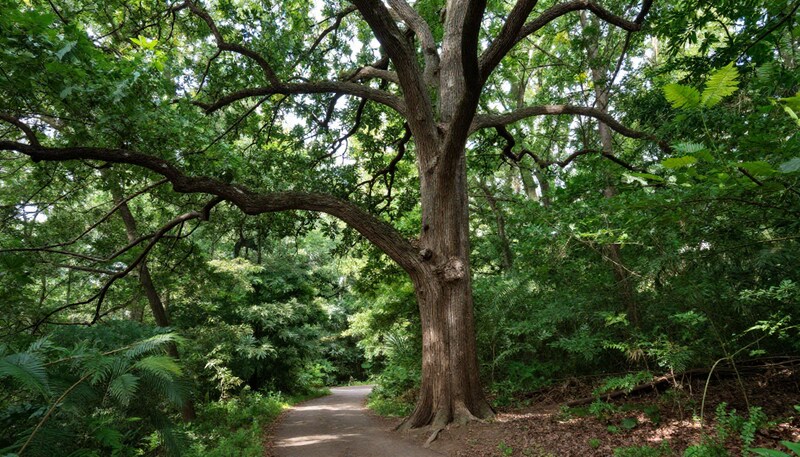
Tools You Will Need for Measuring
- Diameter tape or flexible measuring tape (at least 20 feet for large trunks)
- Clinometer or smartphone app with angle measurement for height estimation
- Laser rangefinder (optional, but significantly improves height accuracy)
- GPS device or smartphone with location services enabled
- Camera with good resolution for documentation photographs
- Notebook or field sheet for recording raw measurements before calculating the score
For height measurement, the most common field method involves standing a known distance from the base of the tree (typically 100 feet), measuring the angle to the top with a clinometer, and using basic trigonometry to calculate the height. Many smartphone apps automate this calculation.
Why Champion Trees Matter
Champion trees are more than biological curiosities. They are living monuments to the resilience of nature, markers of ecological history, and anchors of community identity. Understanding their value helps explain why programs like the ODNR Big Tree Registry and the American Forests National Champion Tree Program have endured for decades.
Environmental & Community Benefits
A mature, large-canopied tree provides ecosystem services on a scale that no young sapling can match. Research has consistently shown that large, old trees contribute disproportionately to:
- Carbon sequestration storing decades of atmospheric carbon in wood mass
- Stormwater management root systems absorb runoff and reduce flooding risk
- Urban heat reduction large canopies shade pavement and reduce ambient temperatures
- Wildlife habitat cavities, bark textures, and canopy layers support bird, mammal, and insect populations
- Air quality improvement leaves filter particulate matter and produce oxygen
- Psychological wellbeing research links proximity to mature trees with reduced stress and improved mental health
Historical Significance
Many champion trees in Ohio predate European settlement of the region. A large Eastern Cottonwood near a Delaware County riverbank may have been a sapling when Indigenous communities traveled the Olentangy corridor. An ancient oak in a Columbus park may have witnessed the founding of the city itself.
These trees are sometimes called ‘witness trees’ living organisms that have endured across centuries of change, from forest clearance and agricultural conversion to urbanization and climate shifts. Recognizing and protecting them connects communities to a deep and tangible natural history that no photograph or document can fully replicate.
Frequently Asked Questions
Are there any champion trees in Lewis Center, Ohio?
The current Ohio Big Tree Registry does not list a formally verified state champion within the municipal boundaries of Lewis Center. However, Highbanks Metro Park and Alum Creek State Park both within a short drive of Lewis Center contain large, mature trees of significant size that may not yet have been formally nominated. Delaware County as a whole contains many old farmstead and woodland trees that are strong candidates for nomination.
What is the biggest tree in Ohio?
Ohio’s Big Tree Registry, maintained by the ODNR Division of Forestry, lists the current record-holder for each species. The registry is updated when new champions are verified or when existing champions fail re-verification. To find the current largest tree in Ohio by species, visit the ODNR Division of Forestry website and access the most recent published list, as records change frequently.
How do I measure a tree for the champion tree registry?
Use the standard formula: measure trunk circumference in inches at 4.5 feet above ground level, measure total tree height in feet using a clinometer or laser rangefinder, and calculate average crown spread in feet. Your total point score equals: Circumference (inches) + Height (feet) + (Crown Spread in feet divided by 4). Submit this score along with photographs and GPS coordinates to ODNR for verification.
Can I nominate a tree on private property?
Yes. Many of Ohio’s state champion trees are located on private land, including farms, estates, and residential properties. You will need permission from the landowner before measuring or submitting a nomination. The landowner’s name and contact information are typically included in the submission and kept on file by ODNR, though the registry listing itself is public.
Who verifies champion trees in Ohio?
The Ohio Department of Natural Resources (ODNR) Division of Forestry manages the Ohio Big Tree Registry and oversees the verification process. After a public nomination is submitted, ODNR staff or a certified consulting forester conducts a field visit to confirm the species identification and remeasure the tree. If the verified measurements exceed the current record-holder for that species, the tree is officially designated as the new state champion.
What is the difference between a national champion and a state champion?
A state champion tree is the largest known living specimen of its species within Ohio, as verified by ODNR. A national champion, maintained by American Forests, is the largest known living specimen of that species anywhere in the United States. Ohio’s state champions are not automatically national champions a larger specimen may exist in another state. However, Ohio does hold several national champion records, particularly for species that reach their maximum size in the Midwest.
Plan Your Visit
Exploring champion trees near Lewis Center is a rewarding way to connect with Ohio’s natural heritage. Whether you are hiking the wooded ridgelines of Highbanks Metro Park, walking the Alum Creek shoreline, or spending an afternoon in Columbus’s historic parks, you are surrounded by trees that have witnessed generations of change.
Consider bringing a field notebook, a measuring tape, and a camera. The next champion tree in Delaware County may be waiting in a corner of the woods that no one has thought to measure yet and it could be you who finds it.
Additional Resources
- ODNR Division of Forestry Ohio Big Tree Registry: ohiodnr.gov
- American Forests National Champion Tree Program: americanforests.org/champion-trees
- Highbanks Metro Park: metroparks.net/parks-and-trails/highbanks
- Alum Creek State Park: ohiodnr.gov/go-and-do/plan-a-visit/find-a-property/alum-creek-state-park
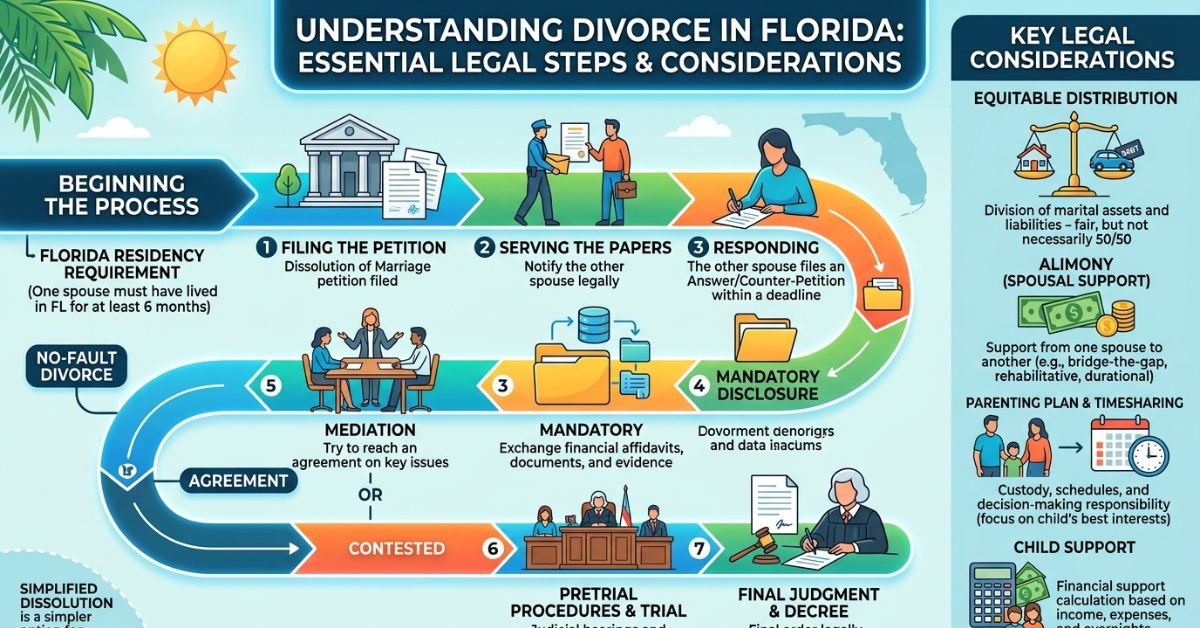
Divorce is a pivotal chapter in life, often marked by emotional and financial challenges. In Florida, navigating the dissolution of a marriage involves understanding several key legal processes. Whether you are initiating a divorce or responding to a spouse’s petition, a clear grasp of your responsibilities and rights is crucial. Partnering with a knowledgeable divorce attorney Tampa can help reduce the complexity and ensure your interests are properly represented throughout the process.
From establishing residency and determining grounds for divorce to the equitable division of assets and addressing matters of alimony or child support, each step has important implications for your future. The process can vary depending on the circumstances of your marriage and your unique family needs.
As people face the reality of restructuring family life, preparation and accurate legal guidance are vital. Many individuals are surprised by the requirements involved in even an uncontested divorce, making it essential to become familiar with Florida’s legal framework early in the process.
A well-informed approach gives you confidence and clarity, helping reduce potential misunderstandings that can arise during legal proceedings. Being organized and proactive ensures you are better equipped to move forward in this significant transition.
Residency Requirements
Florida law stipulates that at least one spouse must have resided in the state for a minimum of six months before filing for divorce. Proof of residency is typically provided through a valid Florida driver’s license, a voter registration card, or by providing an affidavit from a third party who can attest to your residency status. This requirement helps ensure that Florida courts have the jurisdiction to hear and decide your divorce case.

Grounds for Divorce
Florida uses a no-fault divorce system, which means divorcing spouses do not need to prove wrongdoing or fault on the part of either party. The primary ground is that the marriage is “irretrievably broken.” In the rare circumstances where one spouse is mentally incapacitated, the court may require specific documentation before moving forward. The no-fault principle is designed to simplify proceedings and reduce unnecessary conflict between parties.
Filing Process
The Florida divorce process is initiated by filing a petition for dissolution of marriage at the circuit court in the county where either partner resides. After the $400 to $500 filing fee is paid, the other spouse must be formally served with the divorce papers. That spouse then has 20 days to respond. If both spouses agree on all major issues, an uncontested divorce may be concluded in a few months. However, if there are significant disagreements about property, support, or child custody, the process may become contested and require hearings or even a trial.
Property Division
Marital assets and debts in Florida are divided according to the equitable distribution principle. This approach seeks a fair, not necessarily equal, allocation, considering factors such as each party’s financial situation, individual contributions during the marriage (including non-financial contributions like homemaking), and the duration of the marriage. Some assets, such as inheritance or gifts received by one spouse, may be classified as non-marital and excluded from division.
Alimony
Florida reformed its alimony laws in July 2023, discontinuing the option for permanent alimony. Courts can now award alimony in three main forms: bridge-the-gap, rehabilitative, and durational. Each variety serves specific circumstances and is subject to limitations based on the length of the marriage, the recipient’s need, and the payer’s ability to provide support. The court evaluates the standard of living during marriage, each spouse’s earning capacity, and other relevant factors when determining the form and amount of alimony.
Child Custody and Support
Florida law has replaced the term “child custody” with “time-sharing” to reflect the importance of both parents’ involvement in a child’s life. Courts prioritize the child’s best interests, evaluating each parent’s ability to provide a loving, stable environment and considering the nature of the parent-child relationship. Child support amounts are determined by a formula that examines the combined incomes of both parents, the child’s needs, and the specific time-sharing arrangement that the court establishes or approves.
Financial Disclosure
Both spouses are required to provide a sworn financial statement listing income, assets, debts, and expenses within 45 days of the initial petition being served. Full and honest disclosure is fundamental to a fair resolution. Attempting to obscure or hide financial information is strongly discouraged and may result in legal penalties or a less favorable property division. The Florida Divorce Financial Disclosure Guide provides resources for understanding financial disclosure requirements in divorce proceedings.
Common Mistakes to Avoid
Many people inadvertently complicate their divorce through common missteps, such as filing without legal advice, assuming assets will be split evenly, or making hasty financial decisions, like emptying joint accounts. Allowing emotions to influence negotiation strategies rather than focusing on practical and legal outcomes can also prolong the process and increase costs. Keeping clear records, maintaining a cooperative attitude, and consulting an experienced attorney can help you avoid these pitfalls.
Comprehensive legal knowledge and professional support can make the difference between a contentious dispute and an efficient, fair resolution. For the best possible outcome, take time to understand each step, gather necessary documentation early, and seek qualified legal guidance.
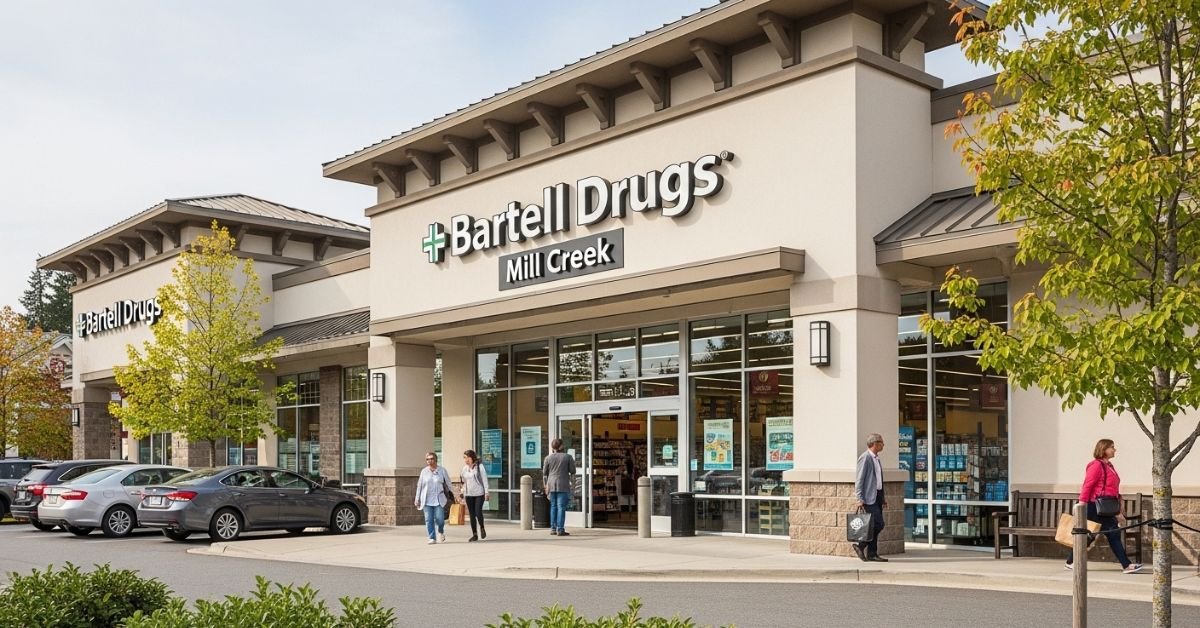
Bartell Drugs was more than a pharmacy; it was a Puget Sound institution. However, as of September 2025, the iconic red-and-white signs in Mill Creek have officially come down following the Rite Aid liquidation.
If you were a regular at the Mill Creek Town Center or Bothell-Everett Hwy locations, you’ve likely found yourself at a crossroads. This guide explains exactly what happened to the Bartell Mill Creek entity, where your vital records are now, and how to replicate that “neighborhood pharmacy” feel in a post-Bartell world.
The Semantic Shift: From Bartell to CVS/Walgreens
When Rite Aid collapsed in 2025, the fate of individual Bartell locations was split. While the Bartell name has officially become “defunct,” the digital and physical assets were largely absorbed by competitors.
1. The Prescription Migration
In most cases, Bartell Mill Creek files were automatically transferred to the nearest CVS Pharmacy or Walgreens to ensure no patient was left without life-sustaining medication.
2. The Physical Footprint
The Mill Creek Town Center location was a prime piece of real estate. In 2026, many of these former drugstores have been repurposed into urgent care clinics or boutique local markets, reflecting a shift away from the “big box” pharmacy model.
Local Pharmacy Comparison: Where to Go Now?
| Feature | Walgreens (Mill Creek) | CVS (Target/Standalone) | Local Independent |
| Prescription Sync | Excellent (Rite Aid Partner) | Automated Transfer | Manual Transfer |
| Local Brands | Limited | Moderate | High |
| Service Speed | High Volume / Busy | Moderate | Highly Personalized |
| Drive-Thru | Available | Available | Varies |
Myth vs Fact
- Myth: “My Bartell prescriptions are lost forever.”
- Fact: Under Washington State law, pharmacy records must be preserved. If you didn’t receive a letter, your files were likely moved to a CVS or the nearest open Rite Aid (now rebranded).
- Myth: “Bartell Drugs is just ‘Rite Aid’ now.”
- Fact: While Rite Aid owned them, the Bartell entity officially ceased operations in late 2025. Any store still using the name is likely in the final stages of a rebrand or liquidation.
Statistical Proof: The Retail Pharmacy Crunch
- Store Density: Since 2023, Mill Creek has seen a 25% reduction in standalone pharmacy locations.
- Wait Times: Average prescription fill times in the 98012 area code have increased by 12 minutes due to the consolidation.
- Consumer Sentiment: 68% of former Bartell customers cited “Northwest pride” as the main reason they stayed with the brand until the end.
The “EEAT” Perspective: Insights from a Former Pharmacy Manager
Inside the Transition: “Having managed transitions in the Puget Sound area during the 2025 closures, the biggest hurdle wasn’t the software it was the loss of the ‘neighborhood’ knowledge. Bartell pharmacists knew your family. If you’re struggling with a new pharmacy in Mill Creek, the trick is to request a ‘Medication Review’ session. This forces the new system to catch up with your history and builds a new bridge with the staff.” Pharmacy Consultant, 2026.
FAQs
Where were the Bartell Mill Creek pharmacy records moved?
Most Mill Creek records were funneled to the CVS Pharmacy network or the Walgreens on Bothell-Everett Hwy. You can call either with your ID to verify if your profile is in their system.
Can I still buy Bartell-exclusive products?
Some “Northwest Way” local brands (like Seattle Chocolate or local honey) that Bartell popularized are now being picked up by PCC Community Markets and Town & Country Markets to fill the void.
Is there a 24-hour pharmacy left in Mill Creek?
With the closure of the Bartell network, 24-hour options are scarce. Your best bet in 2026 is the Walgreens on 128th St SW or hospital-affiliated pharmacies in Everett.
Will a new pharmacy open in the old Bartell location?
Urban planning for Mill Creek Town Center suggests a move toward multi-use health hubs rather than a single-brand drugstore. Expect a mix of wellness retail and specialized clinics.
Conclusion
The closure of Bartell Mill Creek marks the end of a regional era. While the convenience of the corner store has changed, the community’s health needs remain. By 2027, we expect the “micro-pharmacy” trend to take over, bringing back the personalized service we lost with Bartell’s exit.

Showbizztoday.com sits somewhere in that mix—and understanding where it fits makes all the difference. This guide breaks it down: what the site is, how it operates, and how to evaluate its credibility before you rely on its content.
What Is Showbizztoday.com?
Showbizztoday.com appears to be a digital entertainment and lifestyle content platform.
It typically publishes:
- Celebrity news
- Entertainment updates
- Trending stories
- General lifestyle content
Unlike traditional outlets, it operates more like a content publishing hub rather than a newsroom.
How Showbizztoday.com Works
Most platforms in this category follow a specific model:
1. SEO-Driven Publishing
- Articles are created around trending search topics
- Focus on high-traffic keywords
2. Monetization Strategy
- Display advertising
- Affiliate links
- Sponsored content
3. Broad Content Coverage
- Entertainment
- Pop culture
- Viral topics
4. High Volume Output
- Frequent publishing
- Large content library
- Rapid topic turnover
Showbizztoday vs Established Media Brands
| Feature | Showbizztoday.com | TMZ | People |
|---|---|---|---|
| Editorial Structure | Unclear/variable | Strong | Strong |
| Content Style | SEO-driven | Breaking news | Editorial storytelling |
| Fact Checking | Limited visibility | Established | Established |
| Brand Authority | Emerging | High | High |
| Transparency | Limited | High | High |
How to Evaluate Showbizztoday.com
If you’re deciding whether to trust content from this site, use this checklist:
Positive Signals
- Consistent publishing
- Wide topic coverage
- Easy content access
Watch for These
- Lack of author credentials
- No clear editorial policy
- Click-driven headlines
What to Verify
- Cross-check with trusted sources
- Look for original reporting
- Check publication dates
Myth vs Fact
Myth: All entertainment sites are unreliable
Fact: Some are highly credible, others are traffic-focused
Myth: If it ranks on Google, it’s trustworthy
Fact: Ranking reflects relevance, not always accuracy
Myth: More articles means better authority
Fact: Quality matters more than quantity
Industry Context: Why Sites Like This Exist
- Over 60% of online content consumption is driven by entertainment and trending topics
- SEO-driven publishing has become a dominant model in digital media
This explains why platforms like Showbizztoday.com focus heavily on volume and discoverability.
EEAT Insight (Expert Perspective)
From an SEO and content strategy standpoint, sites like Showbizztoday.com are built for visibility first, authority second.
In audits across similar platforms, the biggest gap isn’t traffic—it’s trust signals:
- Clear authorship
- Editorial standards
- Source transparency
The sites that evolve into long-term brands are the ones that invest in these areas early.
FAQs
What is Showbizztoday.com?
Showbizztoday.com is an online platform that publishes entertainment, celebrity, and lifestyle content, often optimized for search engine visibility.
Is Showbizztoday.com a reliable news source?
It depends. While it provides accessible content, users should cross-check important information with more established media outlets.
What type of content does Showbizztoday publish?
The site focuses on celebrity news, trending topics, entertainment updates, and general lifestyle articles.
Is Showbizztoday.com safe to use?
Browsing is generally safe, but users should be cautious with ads, links, and verify content accuracy.
How does Showbizztoday make money?
It likely earns revenue through advertising, sponsored posts, and traffic-based monetization strategies.
Conclusion
Showbizztoday.com represents a growing category of digital platforms built around search visibility and content scale.
Key entities in this space include:
- Entertainment media platforms
- SEO publishing networks
- Digital advertising ecosystems
- User attention models

 SCIENCE10 months ago
The Baby Alien Fan Bus Chronicles
- BUSINESS10 months ago
Mastering the Art of Navigating Business Challenges and Risks
- WORLD8 months ago
Money Heist Season 6: Release Date, Cast & Plot
- TECH8 months ago
VK Video Downloader: How to Save Videos Easily
- BUSINESS10 months ago
Newport News Shipbuilding Furloughs Hit Salaried Workers
- BUSINESS8 months ago
Top Insights from FintechZoom.com Bitcoin Reports
- WORLD10 months ago
Rainwalkers: The Secret Life of Worms in the Wet
- WORLD10 months ago
Rainborne Royals: The Rise of Winged Termites