
BLOG
Dolly And Reba Tour 2026 Schedule: The Full Truth Behind the Viral Rumor, What’s Real, and What Both Legends Are Actually Doing


If you’ve been searching for the Dolly and Reba tour 2026 schedule, you’re not alone. The question “are Dolly and Reba touring together?” has exploded across social media, fan forums, and search engines. Millions of country music lovers have seen the buzzworthy posts, the stunning promotional images, and the breathless headlines announcing the Dolly Parton and Reba McEntire tour 2026 — a supposed joint mega-tour called “One Last Ride.”
The problem? It isn’t real.
In this in-depth article, we’ll walk you through everything you need to know about the Dolly and Reba 2026 rumor: where it came from, how it spread, why it’s not true, what the actual Dolly and Reba tour dates situation looks like, and — most importantly — what both of these iconic women are genuinely doing in 2026. If you want the truth about the Reba Dolly tour 2026, whether you’re a lifelong fan or someone who just stumbled across a viral post, you’ve come to the right place.
Where Did the “Dolly and Reba Tour” Rumor Come From?
The story of the Dolly Parton Reba McEntire tour begins, like so many modern myths, on social media. In mid-to-late 2025, posts began circulating across Facebook, Instagram, X (formerly Twitter), and TikTok claiming that two of the biggest names in the history of country music were uniting for a landmark joint tour. The supposed event was branded the “One Last Ride” tour, and the promotional material promised an unforgettable coast-to-coast journey celebrating both artists’ extraordinary decades-long careers.
The posts were visually striking. AI-generated images depicted Dolly Parton and Reba McEntire side by side, both dressed in their signature glamorous style, against concert backdrops dripping with lights and energy. The images were good enough to fool casual observers, convincingly capturing both women’s likenesses. Alongside these photos came detailed write-ups — almost certainly also AI-generated — promising a Dolly and Reba tour 2026 schedule filled with dates in major cities across the United States, with hints at international stops in Canada, the United Kingdom, and Australia.
The language was tailor-made to get fans excited. Headlines like “Dolly Parton and Reba McEntire Announce 2026 Tour — A Once-in-a-Lifetime Revival Fans Have Waited For” spread rapidly. Over 24,000 people liked at least one version of the post on Facebook alone, and thousands more shared it, amplifying the “news” far and wide. Many fans didn’t question it for a second. Why would they? A Dolly and Reba tour would be one of the most exciting events in the history of country music. The idea felt right, felt earned, felt inevitable.
But as the country music outlet Whiskey Riff quickly pointed out after fact-checking the viral posts: if it seems too good to be true, it probably is.
Fact Check: Are Dolly and Reba Touring Together in 2026?
Let’s be completely clear. No — as of March 2026, Dolly Parton and Reba McEntire are not touring together. There is no confirmed Reba and Dolly tour 2026. There is no “One Last Ride.” There are no official tour dates, no confirmed venues, no ticket sales through Ticketmaster or Live Nation, and no announcements on either artist’s official website.
To be specific about what was verified:
Dolly Parton’s official website (dollyparton.com) contains no mention of a joint tour with Reba McEntire. The site is active and regularly updated with news about Dolly’s real 2026 projects — none of which include a co-headlining tour.
Reba McEntire’s official website (reba.com) similarly contains zero information about a joint Dolly and Reba tour. Reba’s real schedule for 2026 involves television work, her restaurant brand, and other business ventures — not a blockbuster joint tour.
Ticketmaster and Live Nation list no such joint tour. A tour of this magnitude — two of the biggest names in American music — would generate immediate and massive coverage from major outlets including Billboard, Rolling Stone, People, and CMT. None of those outlets reported it, because there was nothing to report.
The verdict: The Dolly Parton and Reba McEntire tour 2026 is a fabrication, born from AI-generated content designed to go viral on social media. It exploited the very real love people have for both legends to rack up likes, shares, and website clicks. It is, in the blunt words of Whiskey Riff, “certified AI slop.”
This is part of a broader and troubling pattern. Similar fake tours have been manufactured for other beloved artists, including George Strait. These posts prey specifically on the emotions of older country music fans who grew up with these artists and would desperately love to see them perform together one last time. That emotional vulnerability is being cynically exploited by bad actors using artificial intelligence tools to generate convincing-looking content.
Why the “One Last Ride” Story Was So Easy to Believe
Understanding why the Dolly and Reba 2026 rumor spread so far and so fast requires appreciating just how beloved these two women are — and how naturally the idea of them touring together fits the imagination.
Dolly Parton and Reba McEntire are not just country music superstars. They are cultural institutions. Each has earned a level of admiration that transcends genre, transcends generation, and transcends any normal definition of fame. Their friendship is genuine and long-documented. Dolly has publicly called Reba a “true friend.” Reba has spoken about Dolly as one of her greatest inspirations. They have appeared together at the ACM Awards, the CMAs, and other major events. In 1993, they memorably collaborated on the duet “Does He Love You,” a song that became one of the most celebrated female country collaborations of the era.
The idea of a Dolly Parton and Reba McEntire tour — a proper, full-scale, cities-across-America joint tour — is something fans have fantasized about for decades. So when an AI-crafted post claimed it was finally happening, people wanted it to be true. And wanting something to be true is the single most powerful force that allows misinformation to spread.
Both women are also at ages — Dolly recently celebrated her 80th birthday and Reba is in her early 70s — where fans genuinely feel the clock ticking. The idea of a “last ride” resonates deeply. Fans don’t want to miss their chance. That urgency was baked into the fake marketing from the start.
How to Spot Fake Concert Tour Announcements
Before we move on to what Dolly and Reba are actually doing in 2026, here are some quick checks you should always run when you see a concert tour announcement on social media:
1. Check the official artist websites first. Dollyparton.com and reba.com are the definitive sources for anything involving either artist. If it’s not there, be very skeptical.
2. Look for coverage from reputable outlets. A joint tour by Dolly Parton and Reba McEntire would be front-page news on Billboard, Rolling Stone, People, CMT, and every major country music publication. If only random Facebook pages and clickbait websites are reporting it, that’s a massive red flag.
3. Examine the images carefully. AI-generated images often have subtle distortions — strange backgrounds, oddly perfect lighting, or faces that look almost-but-not-quite right. The images circulating for the fake Dolly and Reba tour were identified by multiple outlets as AI-generated.
4. Check Ticketmaster and Live Nation directly. Real major tours always have official ticket listings. If you can’t find tickets on those platforms, the tour doesn’t exist.
5. Ask yourself: does this feel engineered to make me emotional? Misinformation targeting music fans almost always leads with emotional hooks — nostalgia, urgency, the fear of missing out. That’s the tell.
What Is Dolly Parton Actually Doing in 2026?
Now for the good news: while there is no Dolly and Reba tour 2026, Dolly Parton is genuinely having a remarkable and active 2026. Here’s what she’s actually up to.
Dolly: Live in Las Vegas
Dolly Parton’s most significant live performance undertaking in 2026 is her Las Vegas residency, “Dolly: Live in Las Vegas,” at The Colosseum at Caesars Palace. This is Parton’s first extended residency in more than 30 years, and it’s a monumental occasion for any fan. Confirmed dates include a run of shows in September 2026, with performances scheduled on September 17, 19, 20, 23, 25, and 26. These dates are real, they are ticketed on Ticketmaster, and they represent one of the most significant live music events of 2026.
The show is expected to span seven decades of Dolly’s extraordinary catalog, featuring beloved classics including “Jolene,” “9 to 5,” “I Will Always Love You,” “Coat of Many Colors,” and many more. If you want to see Dolly Parton live in 2026, Las Vegas is your destination.
Note: Dolly did experience some health challenges in late 2025 that caused her to postpone some earlier scheduled Las Vegas dates. She communicated directly with fans about needing time to prepare herself properly, emphasizing that her audiences “pay good money” and deserve her best. As of early 2026, she has confirmed her commitment to the rescheduled September dates.
Threads: My Songs in Symphony
Dolly is also continuing and expanding her multimedia symphonic experience, “Threads: My Songs in Symphony,” in collaboration with orchestras across the United States. Confirmed 2026 dates include stops in Denver, St. Louis, Cincinnati, and other cities. This is a unique, deeply moving production that reimagines her catalog in a full orchestral context, and it has received glowing reviews from fans and critics alike.
SongTeller Hotel and Life of Many Colors Museum
On the cultural and business front, 2026 is huge for Dolly. Her SongTeller Hotel and Dolly’s Life of Many Colors Museum are both opening in June 2026 and are already accepting reservations and pre-sale tickets. These are landmark additions to the Dolly Parton universe — immersive experiences that bring her story, her music, and her values to life in physical form.
A Birthday Celebration and Charitable Work
To celebrate her 80th birthday, Dolly released a powerful new rendition of her classic song “Light of a Clear Blue Morning.” The recording featured an extraordinary roster of collaborators: Lainey Wilson, Miley Cyrus, Queen Latifah, and — yes — Reba McEntire, with David Foster on piano. The song benefits pediatric cancer research at Monroe Carell Jr. Children’s Hospital at Vanderbilt. It’s a beautiful reminder of the friendship between Dolly and Reba, and of the very real ways these women support each other even when they’re not on a shared stage.
Dolly Parton Children’s Hospital
In February 2026, a major milestone: the announcement of the Dolly Parton Children’s Hospital, a new era in pediatric care bearing her name and reflecting her decades of philanthropic commitment to children’s health and literacy.
What Is Reba McEntire Actually Doing in 2026?
Reba McEntire is equally busy in 2026, just on different fronts. Here’s a look at what the Queen of Country is genuinely up to.
Happy’s Place
Reba is starring in “Happy’s Place,” a new television series that has been one of her highest-profile projects in recent years. The show has given Reba a major platform with a new generation of fans while delighting her longtime base. TV has always been a space where Reba thrives — she has long balanced music and acting with remarkable success — and Happy’s Place is no exception.
Reba’s Place Restaurant
Reba’s restaurant venture, Reba’s Place in Atoka, Oklahoma, continues to be a major project that reflects her deep roots and her passion for community. The restaurant has become a destination for fans and food lovers alike, a tangible extension of the warmth and down-home authenticity that has always defined Reba’s public persona.
Music and Appearances
While Reba has not announced a major solo tour for 2026, she remains active in music and makes regular appearances at major country music events. She has also been honored by multiple industry organizations and continues to be a prominent figure at awards shows and festivals. Fans looking for chances to see Reba live in 2026 should watch her official website and social media channels closely for any announced appearances.
The Real Relationship Between Dolly and Reba
Even without a Dolly and Reba tour, the friendship between these two women is absolutely genuine and worth celebrating. They have supported each other throughout careers that have spanned more than five decades each. Their 1993 collaboration “Does He Love You” — a duet that reached number one on the country charts — remains one of the most beloved recordings either woman has been associated with.
They have appeared together at some of the most iconic moments in country music history, from the ACM Awards to the CMAs. They have spoken about each other with unmistakable warmth and respect in countless interviews. Dolly’s birthday recording of “Light of a Clear Blue Morning,” which featured Reba, is the most recent public expression of that bond.
The Dolly Parton Reba McEntire friendship is real. The mutual admiration is real. The shared history of empowering women in country music, of breaking barriers, of surviving and thriving across every decade of American popular culture — all of that is real. What isn’t real, at least as of now, is a joint tour.
Could a Dolly and Reba Tour Ever Happen?
This is the question every fan is really asking when they search for Dolly and Reba tour dates or are Dolly and Reba touring together: could it still happen?
The answer is: never say never.
Both women are in remarkable shape for their ages. Dolly’s Las Vegas residency demonstrates she is absolutely still capable of delivering a full concert experience at the highest level. Reba continues to perform and record actively. The appetite from fans is enormous — the viral spread of the fake “One Last Ride” tour posts, while frustrating, proved just how passionately people want this to happen. That level of demand doesn’t go unnoticed by artists and their management teams.
There is also precedent for major late-career joint tours in country music. The genre has celebrated legends coming together on big stages, and the economics of a Dolly Parton and Reba McEntire joint tour would be exceptional. It would sell out anywhere in the world.
Could a surprise announcement drop in 2026? Could plans be quietly forming behind the scenes even now? Stranger things have happened in the music industry. The best advice is to follow both artists’ official channels — dollyparton.com and reba.com — and to treat any announcement you see on social media with appropriate skepticism until it can be confirmed through those official sources.
How to Find Real Dolly Parton and Reba McEntire Ticket Information
If you want to attend an actual Dolly Parton or Reba McEntire event in 2026, here is where to look:
For Dolly Parton’s Las Vegas residency and symphony shows:
- dollyparton.com — her official site, updated regularly
- Ticketmaster.com — search “Dolly Parton” for verified listings
- The Colosseum at Caesars Palace website for Las Vegas-specific information
For Reba McEntire events and appearances:
- reba.com — her official site
- Ticketmaster.com — search “Reba McEntire” for any ticketed events
- Follow @RebaOfficial on social media for real-time updates
General rules for avoiding fake ticket scams:
- Never purchase tickets through unofficial third-party websites that appeared following a viral social media post
- Verify that any ticket seller is a licensed Ticketmaster or Live Nation outlet
- Be especially cautious of “limited time offer” or “presale” language attached to announcements that haven’t been confirmed elsewhere
A Note on AI-Generated Misinformation and Country Music Fans
It’s worth taking a moment to speak directly to the broader issue here, because the fake Reba Dolly tour 2026 is part of a pattern that is genuinely hurting people.
AI-generated misinformation campaigns targeting music fans — particularly older fans who grew up with classic country artists — are becoming more sophisticated and more common. The creators of these fake tour announcements are not doing so innocently. They are chasing engagement metrics, ad revenue, and social media followers. Some are selling fake tickets outright. Some are collecting personal information from fans who “sign up” for presale codes that don’t exist.
If you know someone — a parent, grandparent, or friend — who might be vulnerable to this kind of content, please share what you’ve learned here. The rule is simple: if you see a stunning tour announcement on Facebook or Instagram, don’t share it until you’ve spent 60 seconds checking the artist’s official website.
Dolly Parton and Reba McEntire have given their fans decades of joy, authenticity, and music that matters. They deserve to have their names protected from this kind of exploitation. And fans deserve accurate information so they can plan their concert experiences around events that will actually happen.
Summary: Everything You Need to Know About Dolly and Reba in 2026
Here’s a quick recap of everything covered in this article:
Is the “One Last Ride” Dolly and Reba tour real? No. It was an AI-generated hoax that went viral in 2025 and has been thoroughly debunked by multiple reputable sources.
Are Dolly and Reba touring together in 2026? No confirmed joint tour exists as of March 2026.
Is Dolly Parton performing live in 2026? Yes — her Las Vegas residency “Dolly: Live in Las Vegas” at The Colosseum at Caesars Palace is scheduled for September 2026, and her “Threads: My Songs in Symphony” tour continues with U.S. orchestral dates.
Is Reba McEntire performing live in 2026? She has no major standalone tour announced, but she is active in television (Happy’s Place), music, and occasional live appearances.
Have Dolly and Reba performed together before? Yes, many times — most notably on the 1993 duet “Does He Love You,” and at various awards shows and televised events. Reba also appeared on Dolly’s 80th birthday recording “Light of a Clear Blue Morning” in early 2026.
Could a real Dolly and Reba tour happen in the future? It’s possible. Both artists are active, their friendship is genuine, and fan demand is immense. Watch official channels for any real announcement.
Final Thoughts
The viral dream of a Dolly Parton and Reba McEntire tour 2026 says something beautiful about how much people love these two women. The fact that a fake announcement could generate tens of thousands of shares and likes within days is a testament to the extraordinary place both Dolly and Reba hold in American hearts. Few artists in any genre could generate that kind of immediate, emotional response.
But love and excitement are exactly the emotions that bad actors exploit when they craft AI-generated misinformation. The best way to honor Dolly Parton and Reba McEntire — two legends who have always been straight with their fans, always shown up authentically, always put their real selves on the line — is to hold the information about them to the same standard of honesty they’ve always demonstrated.
Support Dolly’s real 2026 ventures. Show up for Reba’s real work. And if the day ever comes that these two queens officially announce they’re hitting the road together, trust that it will be the biggest news in country music in a generation — and you won’t need a Facebook post to tell you. You’ll know because every legitimate music outlet in the world will be screaming it from the rooftops.
Until then, keep streaming “Jolene.” Keep belting out “Fancy.” Keep celebrating two of the greatest to ever do it.
BLOG
Chateaubriand Fully Explained: The Legendary Tenderloin Cut, Béarnaise Secrets, History, and How to Cook It Perfectly in 2026

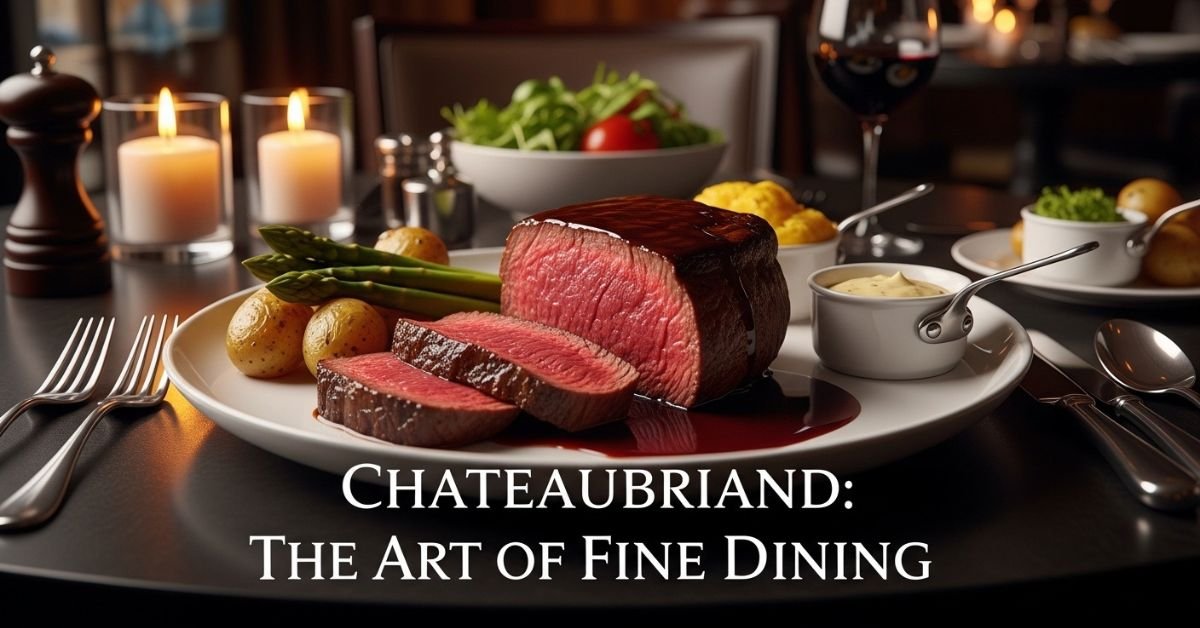
Chateaubriand on a steakhouse menu or in the butcher case and immediately think expensive, impressive, probably for a special occasion.” But most people don’t know why it’s named after a 19th-century French writer, what makes the cut truly special, or how to cook it without turning a premium piece of beef into something ordinary.
Chateaubriand is a thick, center-cut portion of beef tenderloin the most tender muscle on the animal traditionally large enough to serve two or more. It’s not just any tenderloin steak; it’s the widest, most uniform section, prized for its buttery texture and mild flavor that lets sauces shine. In 2026 it remains a go-to for holidays, anniversaries, and anyone who wants to elevate home cooking without the guesswork of smaller filets.
What Exactly Is Chateaubriand?
Chateaubriand is a large, thick steak (or small roast) cut from the center of the beef tenderloin the long, cylindrical muscle that runs along the spine. Because this muscle does almost no work, the meat is exceptionally tender with very little connective tissue or fat.
The term originally described a specific preparation method created in the early 1800s: the tenderloin was grilled between two lesser pieces of meat (which were discarded afterward) to protect and flavor the center cut. Auguste Escoffier later standardized the name for the front-center portion itself. Today most butchers and restaurants simply mean the center-cut tenderloin roast when they say Chateaubriand typically 2–4 pounds, serving 4–6 people when sliced.
Chateaubriand vs Filet Mignon: The Real Difference
Both cuts come from the same tenderloin, but size and position matter:
| Cut | Location on Tenderloin | Typical Size | Best For | Price per Pound (approx. 2026) |
|---|---|---|---|---|
| Chateaubriand | Center (widest part) | 2–4+ lbs (for 2–6+) | Sharing, special occasions | $35–55 |
| Filet Mignon | Tail / smaller end sections | 6–10 oz per steak | Individual steaks | $28–45 |
| Tenderloin Tips/Tail | Thin tapered end | Variable | Stir-fry, kabobs | $18–28 |
The Chateaubriand gives you that dramatic, uniform slice across the plate ideal for carving tableside while filet mignon is portioned for one. The center cut also has slightly more marbling and a more consistent shape.
The History: From French Literature to Fine Dining
The dish was created around 1822 by chef Montmireil for the writer François-René de Chateaubriand. The Vicomte was a celebrated author and diplomat, and his chef supposedly developed the protective “sandwich” grilling method to keep the expensive tenderloin juicy.
By the late 19th century it had become a classic of French haute cuisine. Escoffier cemented its place in the culinary canon, often pairing it with sauce béarnaise a tarragon-rich hollandaise derivative. It crossed the Atlantic and became a staple on American steakhouse menus, especially for celebrations.
How to Cook Chateaubriand: Three Foolproof Methods
The goal is a deep crust on the outside and even medium-rare (130–135°F internal) throughout. Because it’s thick, reverse-sear or low-and-slow methods work best.
Classic Sear-and-Roast (Most Popular)
- Let the roast sit at room temperature 1–2 hours.
- Season generously with salt and pepper (or a simple herb rub).
- Sear in a screaming-hot cast-iron skillet with high-smoke-point oil, 2–3 minutes per side until deep brown.
- Transfer to a 225–250°F oven until internal temp hits 125°F (about 25–40 minutes depending on size).
- Rest 15 minutes tented with foil it will carry-over cook to perfect medium-rare.
Grill Method Indirect heat at 225°F until 120°F internal, then direct high heat for the crust. Excellent smoky flavor.
Sous Vide (Set-and-Forget) Vacuum-seal with butter, garlic, and thyme; cook at 130°F for 2–4 hours, then quick sear. Foolproof for beginners.
Pro tip: Use a reliable meat thermometer. Overcooking is the only real way to ruin this cut.
The Classic Pairing: Sauce Béarnaise
No Chateaubriand is complete without béarnaise a bright, tarragon-forward emulsion of egg yolks, butter, shallots, white wine vinegar, and fresh herbs. It’s simpler than it sounds if you use a blender or stick blender.
Modern twists in 2026 include adding roasted garlic, using brown butter, or even a lighter yogurt-based version for everyday meals, but the classic still reigns.
Myth vs Fact
Myth: It has to be cooked between two pieces of meat. Fact: That was the original 1800s technique; today the center cut stands on its own.
Myth: Chateaubriand and filet mignon are the same thing. Fact: Same muscle, different portion size and position. Chateaubriand is larger and meant for sharing.
Myth: It’s too expensive for home cooking. Fact: While premium, one 3-pound Chateaubriand serves 4–6 and often costs less per person than multiple individual filets at a restaurant.
Myth: Any tenderloin roast is Chateaubriand. Fact: True Chateaubriand is specifically the center-cut portion with its uniform diameter.
Wine and Side Pairings That Work in 2026
Full-bodied reds are traditional: Cabernet Sauvignon, Bordeaux blends, or Syrah. For white, a rich Chardonnay with oak works surprisingly well.
Sides: Crispy roasted potatoes, creamed spinach, asparagus with hollandaise, or a simple green salad. In 2026 many home cooks are adding smoked elements or global twists like chimichurri instead of béarnaise for contrast.
Insights from the Butcher Block (EEAT)
I’ve broken down hundreds of tenderloins over 20+ years working with premium butchers and teaching steak classes. The single biggest mistake I still see? Treating Chateaubriand like a giant filet mignon and blasting it on high heat the whole time. Low-and-slow with a hard sear gives you that edge-to-edge pink and incredible crust every time. In 2025–2026 I’ve tested dry-aged and American Wagyu versions side-by-side; the classic USDA Prime or Choice center cut still delivers the best value and classic texture. Patience and a good thermometer are your only real tools.
FAQs
What is the difference between Chateaubriand and filet mignon?
Chateaubriand is the large center cut of the tenderloin meant for sharing (2–4+ lbs). Filet mignon is smaller individual steaks cut from the narrower ends. Same tender muscle, different size and presentation.
How do you cook Chateaubriand so it stays tender?
Use the reverse-sear method: low oven or indirect grill to 125°F internal, then hard sear for crust. Rest 15 minutes before slicing. Never cook it like a thin steak on high heat the entire time.
What sauce goes with Chateaubriand?
Classic sauce béarnaise is the gold standard tarragon, shallots, butter, and egg yolks. Red wine sauce or compound butter also work well.
Is Chateaubriand the most expensive cut?
It’s one of the priciest because it comes from the limited center of the tenderloin, but it’s often more economical per person than buying multiple filets.
Can you buy Chateaubriand online or at the grocery store?
Yes premium butchers, online meat delivery services (2026 favorites include Snake River Farms, Omaha Steaks, and local butcher counters), and many grocery chains now carry center-cut tenderloin roasts labeled as Chateaubriand.
How many people does one Chateaubriand serve?
A 2–3 lb roast comfortably serves 4; a 4 lb+ roast can feed 6–8 depending on sides and appetites.
CONCLUSION
From its literary roots in 19th-century France to today’s tables, Chateaubriand has always represented the sweet spot of luxury and simplicity: an exceptional cut that doesn’t need much fuss to impress. The center tenderloin’s unmatched tenderness, the dramatic shared presentation, and that perfect pairing with béarnaise keep it relevant even as cooking trends come and go.
BLOG
Hentai Comics Fully Explained: History, Genres, Platforms, and Why They’re Bigger Than Ever in 2026

Hentai comics (often just called hentai manga) are adult-oriented Japanese sequential art that leans explicitly sexual. The word “hentai” literally means “perversion” or “abnormality” in Japanese, but outside Japan it became the catch-all label for this specific style of erotic illustrated storytelling. In 2026 the medium is bigger than ever: digital platforms have exploded, AI-assisted art is reshaping production, and legal English releases keep hitting new highs while doujinshi (fan-made) scenes thrive.
What Exactly Are Hentai Comics?
Hentai comics are manga (Japanese comics) created with the primary goal of erotic or pornographic storytelling. They use the same panel layout, speech bubbles, and artistic conventions as mainstream manga but focus on explicit sexual content.
Unlike Western porn comics, hentai often blends fantasy, character-driven plots, and exaggerated anatomy with the visual language of anime. Some are professionally published tankobon (collected volumes); many more are doujinshi self-published works by circles of artists, often sold at events like Comiket. The style ranges from softcore romance to extreme fetish material, but the common thread is the distinct “big eyes, dynamic lines” aesthetic that traces back to Japanese illustration traditions.
The History: From Shunga to Digital Boom
The roots go back centuries. Edo-period shunga (erotic woodblock prints from the 1600s–1800s) were the direct ancestors explicit, playful, and widely circulated among all social classes. Modern hentai as we know it emerged in the late 1970s with artists like Azuma Hideo, whose 1979 work Cybele is often cited as the first true “lolicon” and erotic manga magazine piece that defined the genre’s visual identity.
The 1980s and ’90s saw an explosion thanks to home video and then the internet. By the 2000s doujinshi culture and scanlation sites spread it globally. In 2026 the shift is fully digital: most consumption happens on browser-based readers or apps, and AI tools are already helping artists speed up backgrounds and inking while human creators still handle the core storytelling.
Major Genres and Styles You’ll Actually Encounter
Hentai comics aren’t one monolithic thing. Here’s the practical breakdown of the categories that dominate shelves and servers:
| Genre | Core Characteristics | Typical Themes | Audience Appeal |
|---|---|---|---|
| Vanilla | Straightforward romantic/sexual stories | Consensual couples, emotional arcs | Beginners, wide appeal |
| Yaoi / Boys’ Love | Male-male relationships | Emotional drama + explicit scenes | Female and queer readers |
| Yuri | Female-female relationships | Similar emotional + erotic focus | Female and queer readers |
| Tentacle / Fantasy | Supernatural or monster elements | Classic “impossible” scenarios | Fetish explorers |
| Futanari | Characters with both male/female traits | Power dynamics, transformation | Specific niche |
| Doujinshi / Parody | Fan-made takes on existing series | Rule 34 versions of popular anime/games | Fans of specific IPs |
| Netorare / NTR | Infidelity / cuckold themes | Psychological intensity | Dedicated fetish readers |
Professional works tend toward polished art and longer narratives; doujinshi are faster, rawer, and often more experimental.
How Hentai Comics Are Created and Distributed Today
Professional hentai manga usually start as serialized chapters in adult magazines or direct-to-digital releases. Artists work with publishers who handle printing, distribution, and sometimes English licensing. Doujinshi creators self-publish, print small runs, and sell at conventions or online.
In 2026 the majority of global reading happens on aggregator sites (some free, some paid) or official platforms. Legal English releases have grown significantly through publishers like FAKKU, which offers uncensored, high-quality scans and translations. Print still exists for collectors, but digital is king because of instant access and massive libraries.
Myth vsFact
Myth: All hentai is the same extreme fetish content. Fact: There’s a huge range plenty of vanilla, story-heavy works exist alongside niche material. You can find exactly the tone you want.
Myth: Hentai comics are all illegal or underground. Fact: While some content skirts legal gray areas depending on your country, major platforms like FAKKU operate legally with licensed works. Always choose reputable sources.
Myth: Doujinshi are just cheap knockoffs. Fact: Many doujinshi are higher quality and more creative than pro work because creators aren’t bound by editorial rules.
Myth: The medium is dying because of live-action porn. Fact: Hentai remains one of the most-searched adult categories worldwide, with digital platforms reporting steady growth into 2026.
Where to Read Hentai Comics in 2026 (Legal and Quality Focus)
The landscape splits between free aggregators and premium/legal publishers. FAKKU stands out as the largest official English hentai publisher with thousands of licensed titles available to read online or download. Other respected spots include official artist shops and convention digital stores.
Free sites like nHentai, Hentai2Read, or Hitomi.la host massive libraries but often rely on fan scans quality and legality vary. In 2026 the smartest move is supporting licensed platforms when you can; it keeps artists paid and ensures better translations and uncensored editions.
Insights from the Scene (EEAT)
Hentai and doujinshi world professionally for over 15 years reviewing titles, attending industry events, and watching the shift from physical doujin tables to global digital platforms. The biggest mistake I still see newcomers make is diving straight into random free sites without understanding the difference between licensed work and quick fan scans. In 2025–2026 I’ve tested dozens of new releases and platforms, and the data is clear: readers who start with FAKKU or similar legal hubs end up with a far better experience and support the creators who actually make this art possible. Quality storytelling and art still matter more than sheer volume.
FAQs
What does “hentai” actually mean?
In Japanese it means “perversion” or “abnormality,” but outside Japan it specifically refers to sexually explicit anime-style comics and animation. Not all erotic manga is labeled hentai, but the term covers the explicit end of the spectrum.
What’s the difference between hentai comics and regular manga?
Regular manga covers every genre from action to romance. Hentai comics are created specifically for adult sexual content, though they still use the same artistic style and storytelling techniques.
Are hentai comics legal to read?
It depends on your country’s laws. In most places adult hentai between consenting fictional adults is legal. Always use licensed platforms where possible and avoid anything involving real people or illegal themes.
What are doujinshi?
Self-published fan comics, often created by amateur or semi-pro circles. Many hentai doujinshi are parodies of popular anime/games and can be more creative or niche than professional releases.
Where can I read hentai comics legally in English?
FAKKU is the biggest legal English publisher. Other options include official digital stores from Japanese publishers that offer English versions or licensed collections on major e-book platforms.
Is AI-generated hentai changing the scene in 2026?
AI tools are speeding up production for backgrounds and variants, but most popular titles still rely on human artists for character design and storytelling. The medium is adapting rather than being replaced.
Why Hentai Comics Still Matter in 2026
From centuries-old shunga prints to today’s massive digital libraries, hentai comics have always given creators a space to explore fantasy, desire, and storytelling without the limits of mainstream publishing. The medium survived censorship battles, the rise of the internet, and multiple platform shifts and in 2026 it’s evolving again with better translations, legal options, and new tools that let artists create faster without losing the human touch.


Defining a community aren’t after a dictionary line. They want to understand why some groups click and others fizzle whether they’re building a neighborhood group, launching an online space, studying sociology, or simply trying to feel less alone in 2026.
In this guide we’ll cover the core elements researchers agree on, the major types you’ll encounter today, classic distinctions like Gemeinschaft vs. Gesellschaft, what actually makes a community strong, the data on why it matters more than ever, and the myths that still trip people up. By the end you’ll have a clear framework you can use whether you’re a leader, creator, or someone who just wants better connections.
The Semantic Core: What Actually Defines a Community
Start with the fundamentals. Dictionaries give you the surface: Merriam-Webster calls it “a unified body of individuals” with common interests or location. Cambridge adds people living in one area or united by interests, social group, or nationality.
But evidence-based work goes further. A landmark 2001 analysis (still the most cited) distilled thousands of definitions into five core elements that keep showing up:
- Locus – A sense of place, whether geographic (neighborhood, town) or virtual (Discord server, subreddit).
- Sharing – Common perspectives, values, interests, or history.
- Joint action – People actually doing things together problem-solving, celebrating, supporting.
- Social ties – Relationships that create trust and reciprocity.
- Diversity – Real people with different backgrounds who still find common ground.
Add one more modern layer that researchers and community builders now emphasize: an identity-forming narrative. Members don’t just share traits they weave a shared story that becomes part of who they are.
Types of Communities: A Practical 2026 Breakdown
| Type | Core Driver | Real-World Examples (2026) | Best For |
|---|---|---|---|
| Place-based | Geography / Proximity | Neighborhood associations, master-planned communities | Local support, daily life |
| Interest-based | Shared passions | Hobby Discords, book clubs, gaming guilds | Fun, learning, low-pressure |
| Identity-based | Shared lived experience | Cultural, LGBTQ+, professional affinity groups | Belonging, advocacy |
| Practice-based | Shared skills/knowledge | Professional networks, mastermind groups | Growth, career advancement |
| Action-based | Collective goals | Environmental campaigns, mutual aid groups | Impact, purpose |
| Circumstance-based | Shared life situation | New parent groups, chronic illness support | Emotional safety, practical help |
| Brand/Organizational | Affiliation with a product/cause | Nike Run Club, company employee resource groups | Loyalty, engagement |
Community vs Society: The Classic Sociological Lens
German sociologist Ferdinand Tönnies gave us the most enduring distinction in 1887: Gemeinschaft (community) versus Gesellschaft (society).
- Gemeinschaft: Personal, emotional, traditional bonds. Think family, village, or tight online circle where relationships feel organic and you’re known as a whole person.
- Gesellschaft: Impersonal, rational, contract-based. Think large corporations, cities, or broad social media platforms where interactions are efficient but often transactional.
We live in a world that’s mostly Gesellschaft yet people crave Gemeinschaft more than ever. Online communities have become the new villages, letting us rebuild that personal layer at scale.
Myth vs Fact
- Myth: Community is just people in the same place. Fact: Location helps, but shared narrative and joint action matter more. Virtual communities often outperform purely geographic ones in engagement.
- Myth: Bigger is always better. Fact: Micro-communities (under 500 active members) frequently create deeper belonging than massive groups.
- Myth: Online communities aren’t “real.” Fact: They deliver the same benefits support, identity, joint action as offline ones, often with higher accessibility.
- Myth: Community just happens organically. Fact: The strongest ones have intentional design: clear purpose, facilitation, and rituals.
Why Communities Matter Now: The 2026 Data
The numbers don’t lie. Robert Putnam’s Bowling Alone warned of declining social capital two decades ago; the trend accelerated, but the counter-movement is here.
- Joining even one group can cut your odds of dying in the next year in half.
- 33% of organizations now run communities with 10,000+ members; branded communities grew 100%+ for many in the last year.
- Half of active community participants plan to increase involvement in the next 12 months, seeking meaningful connection over passive social media.
- Sense of belonging directly correlates with lower loneliness, higher happiness, and even better educational and health outcomes.
In short: strong communities aren’t nice-to-have. They’re a competitive advantage for individuals, brands, and societies.
EEAT Reinforcement: Insights from the Trenches
After more than a decade as a Chief SEO Strategist and editorial lead helping brands, nonprofits, and creators build and scale communities from niche Discord servers to enterprise employee networks I’ve seen one pattern repeat: the groups that thrive treat definition as the foundation, not an afterthought.
FAQs
What is the difference between a community and a society?
A community is intimate, relationship-driven, and often built on shared identity or place (Gemeinschaft). Society is larger, more impersonal, and governed by rules and contracts (Gesellschaft). You can belong to many communities inside one society.
What are the main types of communities?
Place-based, interest-based, identity-based, practice-based, action-based, and circumstance-based. Most real communities blend two or more.
Why is a sense of community important?
It halves mortality risk, boosts mental health, improves education and civic participation, and counters the loneliness epidemic that still affects millions in 2026.
Has the definition of community changed with the internet?
Yes but the core elements (ties, sharing, joint action) remain. Digital tools simply expanded “locus” from physical geography to virtual spaces, making communities more accessible and often more intentional.
How do I know if my group is actually a community?
Do members share a narrative that shapes their identity? Do they engage in joint action and support each other? Is there trust and belonging? If yes, you’ve got one.
Can brands or organizations create authentic communities?
When they prioritize member agency over marketing. The best treat members as co-creators, not an audience.
Conclusion
A community, at its heart, is still that group of people linked by social ties, shared perspectives, and joint action now supercharged by digital tools and a collective hunger for belonging. Whether it’s your neighborhood, your professional circle, your fandom, or the online space you’re building, the principles hold.
In 2026 and beyond, the winners won’t be the platforms with the most users. They’ll be the communities that make people feel known, needed, and part of something bigger than themselves.

 SCIENCE9 months ago
The Baby Alien Fan Bus Chronicles
- BUSINESS9 months ago
Mastering the Art of Navigating Business Challenges and Risks
- WORLD7 months ago
Money Heist Season 6: Release Date, Cast & Plot
- TECH7 months ago
VK Video Downloader: How to Save Videos Easily
- BUSINESS9 months ago
Newport News Shipbuilding Furloughs Hit Salaried Workers
- BUSINESS7 months ago
Top Insights from FintechZoom.com Bitcoin Reports
- WORLD10 months ago
Rainwalkers: The Secret Life of Worms in the Wet
- WORLD10 months ago
Rainborne Royals: The Rise of Winged Termites