
BLOG
NSFW Ads: Compliance Rules, Platforms, and Safer Alternatives


The world of online advertising is filled with opportunities, but it also comes with strict boundaries. One area that consistently raises questions is NSFW ads, or advertisements promoting mature or adult-oriented content. While there is a clear demand for such campaigns, mainstream ad networks enforce heavy restrictions to protect users, advertisers, and brands. For businesses in sensitive industries, understanding compliance rules, platform policies, and viable alternatives is essential to avoid bans and wasted budgets.
Why Are Adult Ads Restricted?
Digital advertising networks prioritize brand safety, user protection, and legal compliance. Platforms like Google Ads and Meta Ads (Facebook & Instagram) reach billions of people, including minors, making it essential to prevent explicit content from circulating freely.
Governments and regulators also enforce legal frameworks, such as the Federal Trade Commission (FTC) in the United States and GDPR across the European Union. These laws require responsible marketing, especially where age verification and explicit material are involved. Without these protections, platforms risk lawsuits, loss of advertiser trust, and harm to vulnerable users.
Major Platform Policies on Mature Content
Each advertising platform handles adult or sensitive content differently.
Google Ads
Google maintains some of the strictest rules against adult advertising. Explicit sexual content, nudity, and pornography are completely banned. Limited exceptions exist for sexual health products, but even those must follow clear compliance rules, such as targeting only adults and avoiding suggestive imagery.
Facebook and Instagram
Meta Ads prohibits all explicit imagery and most mature content promotions. Even content that hints at sensuality, dating apps, or adult lifestyle products often gets rejected. Their AI-based content moderation system flags both text and visuals, leading to strict enforcement.
Twitter (X)
Among mainstream platforms, Twitter (now X) is more flexible. It allows advertising of “sensitive content”, but only in certain regions and under compliance guidelines. Advertisers must pass strict approval processes, ensure age gating, and avoid violent or extreme content.
TikTok and Other Social Media
TikTok, Snapchat, and similar youth-heavy platforms ban all forms of adult promotions. Their communities are predominantly under 25, making compliance especially important.
Specialized Adult Ad Networks
Since mainstream platforms don’t support explicit ads, specialized adult ad networks exist. These platforms allow advertisers to reach mature audiences in a controlled environment.
- TrafficJunky – One of the largest networks, serving ads across major adult websites.
- ExoClick – Offers programmatic advertising with banners, video, and native formats for adult audiences.
- JuicyAds – Known as a “sexy advertising network” tailored for niche markets.
These networks operate outside traditional restrictions but still require advertisers to follow certain compliance practices, such as banning illegal content and enforcing age restrictions.
Risks of Running NSFW Ads
Although adult networks offer opportunities, running mature ads is not without risk.
- Legal Consequences: Non-compliance with FTC guidelines, GDPR, or COPPA (for children’s privacy) can lead to heavy fines.
- Brand Reputation: Associating with explicit content may harm credibility with mainstream audiences.
- Account Suspensions: Running NSFW campaigns on platforms like Google or Facebook can result in permanent bans.
- Payment Processing Issues: Many payment gateways, including PayPal and Stripe, have restrictions against adult businesses.
Advertisers must weigh these risks carefully and plan sustainable strategies.
Safe Alternatives to NSFW Advertising
Not every business in a mature industry needs to rely solely on explicit ads. Many alternative marketing strategies exist that are both effective and compliant.
SEO and Content Marketing
By creating educational content, businesses can attract organic traffic without violating ad policies. For instance, sexual health brands often publish blog posts about wellness, safety, and education that rank highly in search engines while staying compliant.
Influencer Partnerships
Partnering with influencers on platforms like OnlyFans, Patreon, or Twitter can generate visibility without breaking mainstream advertising rules. These influencers already engage with mature audiences and offer targeted exposure.
Affiliate Marketing
Affiliate networks remain one of the most popular methods for promoting adult products. Brands can partner with affiliates who already operate within mature niches, reducing direct advertising challenges.
Direct Ad Buys
Instead of relying on big platforms, some advertisers work directly with adult content publishers to place ads on websites, newsletters, or private communities. This bypasses mainstream restrictions while ensuring audience relevance.
Compliance Best Practices
For advertisers who operate in sensitive industries, the following practices are critical:
- Age Verification: Always ensure campaigns target 18+ audiences.
- Transparent Messaging: Avoid misleading claims and use clear disclaimers.
- Legal Research: Understand regional laws (what is allowed in one country may be illegal in another).
- Moderation-Friendly Creative: Even when advertising mature products, choose professional, non-explicit visuals when possible.
These steps not only keep campaigns safe but also increase the chances of building long-term trust with users and platforms.
Frequently Asked Questions
Are adult ads allowed on Google Ads?
No. Google bans sexually explicit content. Only limited categories, such as sexual health products, may be allowed under strict rules.
Which platforms allow NSFW advertising?
Mainstream networks like Google, Facebook, and TikTok restrict it. However, adult networks such as TrafficJunky, ExoClick, and JuicyAds are built for mature content campaigns.
What are the risks of promoting mature content online?
Risks include account bans, reputational damage, legal fines, and restrictions from payment processors.
How do adult websites get traffic if ads are banned on big platforms?
They rely on SEO, direct traffic, adult ad networks, affiliates, and influencer partnerships to attract users.
Is it legal to run explicit advertising?
It depends on the jurisdiction. In most countries, adult ads are legal if they comply with age restrictions and local laws.
What is the safest alternative to NSFW ads?
The safest approaches include content marketing, affiliate partnerships, SEO, and collaborations with adult influencers.
Conclusion
The advertising landscape for adult-oriented businesses is complex, with strict compliance rules, platform restrictions, and legal responsibilities. While mainstream platforms like Google and Facebook enforce near-total bans, specialized adult ad networks provide alternatives for reaching mature audiences.
That said, safe alternatives such as SEO, influencer marketing, and affiliate partnerships often deliver long-term, sustainable growth without risking account suspensions or legal trouble.

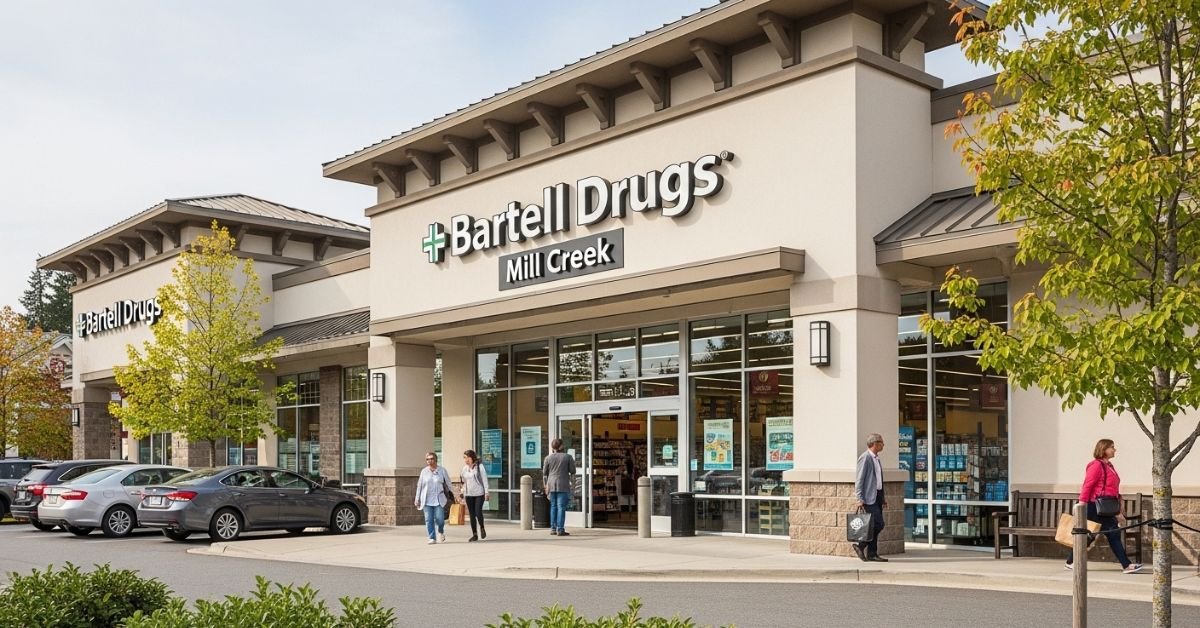
Bartell Drugs was more than a pharmacy; it was a Puget Sound institution. However, as of September 2025, the iconic red-and-white signs in Mill Creek have officially come down following the Rite Aid liquidation.
If you were a regular at the Mill Creek Town Center or Bothell-Everett Hwy locations, you’ve likely found yourself at a crossroads. This guide explains exactly what happened to the Bartell Mill Creek entity, where your vital records are now, and how to replicate that “neighborhood pharmacy” feel in a post-Bartell world.
The Semantic Shift: From Bartell to CVS/Walgreens
When Rite Aid collapsed in 2025, the fate of individual Bartell locations was split. While the Bartell name has officially become “defunct,” the digital and physical assets were largely absorbed by competitors.
1. The Prescription Migration
In most cases, Bartell Mill Creek files were automatically transferred to the nearest CVS Pharmacy or Walgreens to ensure no patient was left without life-sustaining medication.
2. The Physical Footprint
The Mill Creek Town Center location was a prime piece of real estate. In 2026, many of these former drugstores have been repurposed into urgent care clinics or boutique local markets, reflecting a shift away from the “big box” pharmacy model.
Local Pharmacy Comparison: Where to Go Now?
| Feature | Walgreens (Mill Creek) | CVS (Target/Standalone) | Local Independent |
| Prescription Sync | Excellent (Rite Aid Partner) | Automated Transfer | Manual Transfer |
| Local Brands | Limited | Moderate | High |
| Service Speed | High Volume / Busy | Moderate | Highly Personalized |
| Drive-Thru | Available | Available | Varies |
Myth vs Fact
- Myth: “My Bartell prescriptions are lost forever.”
- Fact: Under Washington State law, pharmacy records must be preserved. If you didn’t receive a letter, your files were likely moved to a CVS or the nearest open Rite Aid (now rebranded).
- Myth: “Bartell Drugs is just ‘Rite Aid’ now.”
- Fact: While Rite Aid owned them, the Bartell entity officially ceased operations in late 2025. Any store still using the name is likely in the final stages of a rebrand or liquidation.
Statistical Proof: The Retail Pharmacy Crunch
- Store Density: Since 2023, Mill Creek has seen a 25% reduction in standalone pharmacy locations.
- Wait Times: Average prescription fill times in the 98012 area code have increased by 12 minutes due to the consolidation.
- Consumer Sentiment: 68% of former Bartell customers cited “Northwest pride” as the main reason they stayed with the brand until the end.
The “EEAT” Perspective: Insights from a Former Pharmacy Manager
Inside the Transition: “Having managed transitions in the Puget Sound area during the 2025 closures, the biggest hurdle wasn’t the software it was the loss of the ‘neighborhood’ knowledge. Bartell pharmacists knew your family. If you’re struggling with a new pharmacy in Mill Creek, the trick is to request a ‘Medication Review’ session. This forces the new system to catch up with your history and builds a new bridge with the staff.” Pharmacy Consultant, 2026.
FAQs
Where were the Bartell Mill Creek pharmacy records moved?
Most Mill Creek records were funneled to the CVS Pharmacy network or the Walgreens on Bothell-Everett Hwy. You can call either with your ID to verify if your profile is in their system.
Can I still buy Bartell-exclusive products?
Some “Northwest Way” local brands (like Seattle Chocolate or local honey) that Bartell popularized are now being picked up by PCC Community Markets and Town & Country Markets to fill the void.
Is there a 24-hour pharmacy left in Mill Creek?
With the closure of the Bartell network, 24-hour options are scarce. Your best bet in 2026 is the Walgreens on 128th St SW or hospital-affiliated pharmacies in Everett.
Will a new pharmacy open in the old Bartell location?
Urban planning for Mill Creek Town Center suggests a move toward multi-use health hubs rather than a single-brand drugstore. Expect a mix of wellness retail and specialized clinics.
Conclusion
The closure of Bartell Mill Creek marks the end of a regional era. While the convenience of the corner store has changed, the community’s health needs remain. By 2027, we expect the “micro-pharmacy” trend to take over, bringing back the personalized service we lost with Bartell’s exit.

Showbizztoday.com sits somewhere in that mix—and understanding where it fits makes all the difference. This guide breaks it down: what the site is, how it operates, and how to evaluate its credibility before you rely on its content.
What Is Showbizztoday.com?
Showbizztoday.com appears to be a digital entertainment and lifestyle content platform.
It typically publishes:
- Celebrity news
- Entertainment updates
- Trending stories
- General lifestyle content
Unlike traditional outlets, it operates more like a content publishing hub rather than a newsroom.
How Showbizztoday.com Works
Most platforms in this category follow a specific model:
1. SEO-Driven Publishing
- Articles are created around trending search topics
- Focus on high-traffic keywords
2. Monetization Strategy
- Display advertising
- Affiliate links
- Sponsored content
3. Broad Content Coverage
- Entertainment
- Pop culture
- Viral topics
4. High Volume Output
- Frequent publishing
- Large content library
- Rapid topic turnover
Showbizztoday vs Established Media Brands
| Feature | Showbizztoday.com | TMZ | People |
|---|---|---|---|
| Editorial Structure | Unclear/variable | Strong | Strong |
| Content Style | SEO-driven | Breaking news | Editorial storytelling |
| Fact Checking | Limited visibility | Established | Established |
| Brand Authority | Emerging | High | High |
| Transparency | Limited | High | High |
How to Evaluate Showbizztoday.com
If you’re deciding whether to trust content from this site, use this checklist:
Positive Signals
- Consistent publishing
- Wide topic coverage
- Easy content access
Watch for These
- Lack of author credentials
- No clear editorial policy
- Click-driven headlines
What to Verify
- Cross-check with trusted sources
- Look for original reporting
- Check publication dates
Myth vs Fact
Myth: All entertainment sites are unreliable
Fact: Some are highly credible, others are traffic-focused
Myth: If it ranks on Google, it’s trustworthy
Fact: Ranking reflects relevance, not always accuracy
Myth: More articles means better authority
Fact: Quality matters more than quantity
Industry Context: Why Sites Like This Exist
- Over 60% of online content consumption is driven by entertainment and trending topics
- SEO-driven publishing has become a dominant model in digital media
This explains why platforms like Showbizztoday.com focus heavily on volume and discoverability.
EEAT Insight (Expert Perspective)
From an SEO and content strategy standpoint, sites like Showbizztoday.com are built for visibility first, authority second.
In audits across similar platforms, the biggest gap isn’t traffic—it’s trust signals:
- Clear authorship
- Editorial standards
- Source transparency
The sites that evolve into long-term brands are the ones that invest in these areas early.
FAQs
What is Showbizztoday.com?
Showbizztoday.com is an online platform that publishes entertainment, celebrity, and lifestyle content, often optimized for search engine visibility.
Is Showbizztoday.com a reliable news source?
It depends. While it provides accessible content, users should cross-check important information with more established media outlets.
What type of content does Showbizztoday publish?
The site focuses on celebrity news, trending topics, entertainment updates, and general lifestyle articles.
Is Showbizztoday.com safe to use?
Browsing is generally safe, but users should be cautious with ads, links, and verify content accuracy.
How does Showbizztoday make money?
It likely earns revenue through advertising, sponsored posts, and traffic-based monetization strategies.
Conclusion
Showbizztoday.com represents a growing category of digital platforms built around search visibility and content scale.
Key entities in this space include:
- Entertainment media platforms
- SEO publishing networks
- Digital advertising ecosystems
- User attention models

picuki randomly. They arrive with a goal:They want to look at Instagram without being noticed.Maybe it’s curiosity. Maybe privacy. Maybe just convenience.Picuki is one of several tools built around that exact behavior allowing users to browse Instagram content without logging into Instagram.But here’s the part most guides skip: these tools sit in a gray zone between convenience, privacy, and platform restrictions.
What Is Picuki?
Picuki is a third-party Instagram viewer that allows users to browse publicly available Instagram content without directly using the Instagram app or logging in.
It typically lets users:
- View public profiles
- Browse posts and captions
- Search hashtags
- Sometimes view stories (depending on availability)
It does not require an Instagram account.
How Picuki Works (Simple Breakdown)
Picuki doesn’t “hack” Instagram. Instead, it relies on publicly accessible data.
1. Public Profile Indexing
It collects content from public Instagram profiles.
2. Web-Based Display
It re-renders Instagram content in its own interface.
3. Search Layer
Users can search usernames or hashtags directly.
4. Content Caching
Some versions store or cache content temporarily for faster loading.
Picuki vs Instagram Native Experience
| Feature | Picuki | |
|---|---|---|
| Account Required | No | Yes |
| Anonymous Browsing | Yes | No |
| Story Viewing | Limited/variable | Full feature |
| Engagement (likes/comments) | Not available | Fully interactive |
| Privacy Level | Higher anonymity | Low anonymity |
Is Picuki Safe?
This is where things get nuanced.
Generally Safe Uses:
- Viewing public content
- Browsing hashtags
- Reading captions
Potential Risks:
- Data tracking (third-party tools vary)
- Fake clone websites
- Ads or redirects
- No official affiliation with Instagram
What It Cannot Guarantee:
- Full privacy protection
- Secure data handling standards like official apps
Myth vs Fact
Myth: Picuki lets you hack private Instagram accounts
Fact: It only accesses publicly available content
Myth: It is an official Instagram tool
Fact: It is a third-party viewer with no affiliation
Myth: You are completely invisible online
Fact: Your browsing may still be tracked by third-party systems
Industry Context (Why Tools Like Picuki Exist)
- Over 2 billion users actively use Instagram monthly [Source]
- A significant portion of users prefer browsing content without logging in due to privacy concerns [Source]
This creates demand for anonymous viewing tools, even when platforms don’t officially support them.
EEAT Insight (Real-World Perspective)
From analyzing similar Instagram viewer tools over the years, a clear pattern emerges:
Most tools like Picuki are not dangerous by default, but they exist in a gray operational space built on publicly available data but outside official platform control.
In real audits, the biggest risk isn’t technical security. It’s fake clones and misleading mirror sites that mimic the original tool for ad revenue or data capture.
That distinction matters more than the tool itself.
Alternatives to Picuki
If Picuki is unavailable or unstable, users often turn to:
- Web-based Instagram viewers
- Hashtag search engines
- Official Instagram web version (limited anonymous browsing)
- Other third-party viewers (varies in reliability)
FAQs
What is Picuki used for?
Picuki is used to view public Instagram profiles, posts, and hashtags without logging into Instagram or revealing your identity.
Is Picuki legal?
Yes, viewing public data is generally legal. However, how data is used or redistributed may fall under platform restrictions.
Can Picuki show private Instagram accounts?
No. It only accesses publicly available content from Instagram profiles.
Is Picuki safe to use?
It is generally safe for browsing public content, but users should avoid fake clone websites and be cautious with ads or redirects.
Why is Picuki not working?
It may be due to Instagram API changes, server downtime, or domain restrictions affecting third-party viewers.
Conclusion
Picuki sits at the intersection of convenience and privacy built around how users actually want to browse social media, not just how platforms design it.

 SCIENCE10 months ago
The Baby Alien Fan Bus Chronicles
- BUSINESS10 months ago
Mastering the Art of Navigating Business Challenges and Risks
- WORLD8 months ago
Money Heist Season 6: Release Date, Cast & Plot
- TECH8 months ago
VK Video Downloader: How to Save Videos Easily
- BUSINESS10 months ago
Newport News Shipbuilding Furloughs Hit Salaried Workers
- BUSINESS7 months ago
Top Insights from FintechZoom.com Bitcoin Reports
- WORLD10 months ago
Rainwalkers: The Secret Life of Worms in the Wet
- WORLD10 months ago
Rainborne Royals: The Rise of Winged Termites