
TECH
How to Recall an Email in Outlook: Complete 2026 Guide


How to Recall an Email in Outlook Sent an email with a typo, wrong attachment, or to the wrong person? Microsoft Outlook’s recall feature can help. Here’s the quick 4-step process:
- Open your Sent Items folder
- Double-click the email you want to recall
- Click Actions in the Message tab, then select Recall This Message
- Choose to delete unread copies or replace with a corrected message
However, this feature only works under specific conditions. This comprehensive guide covers everything you need to know about recalling emails in Outlook, including platform-specific instructions, common failure reasons, and alternative strategies.
What is Email Recall and When Should You Use It?
Email recall is a Microsoft Outlook feature that allows you to retract messages you’ve already sent—but only if specific conditions are met. When successful, the recall either deletes the unread email from the recipient’s inbox or replaces it with a corrected version.
When Recalling an Email is the Best Option
The recall feature is ideal for these situations:
- You noticed a critical typo or grammatical error immediately after sending
- You forgot to attach an important document
- You sent incorrect information that needs to be corrected
- You accidentally sent the email to the wrong recipient within your organization
- You need to prevent potentially sensitive company information from being read
The key is to act quickly—the longer you wait, the higher the chance the recipient has already opened your message.
Professional Etiquette: Recall vs. Sending a Follow-Up Correction
While email recall is powerful, it’s not always the best approach from a professional standpoint. Consider sending a follow-up correction instead when:
- The error is minor and doesn’t affect the message’s core meaning
- The recipient has likely already read the email
- You’re communicating with external clients or partners (where recall won’t work anyway)
- A transparent acknowledgment of the mistake would build more trust than attempting a recall
A simple follow-up email like “I apologize for the confusion in my previous message. The correct figure is…” often maintains better professional relationships than a failed recall attempt that notifies the recipient you tried to delete something.
How to Recall an Email in Outlook: Step-by-Step
Microsoft has updated Outlook’s interface in recent years, so the exact steps depend on which version you’re using. Below are detailed instructions for both the New Outlook and Classic Outlook for Windows.
For New Outlook (Windows)
Note: The New Outlook interface was rolled out starting in 2023. If you see a toggle switch at the top of your Outlook window that says “Try the new Outlook,” you can switch between versions.
Step 1: Open Your ‘Sent Items’ Folder
In the navigation pane on the left side of Outlook, click on Sent Items. This folder contains all emails you’ve sent from this account.
Step 2: Double-Click to Open the Message
Locate the email you want to recall and double-click it to open it in a new window. The recall feature is only accessible when the message is open in its own window, not in the preview pane.
Step 3: Click ‘Actions’ in the ‘Message’ Tab
At the top of the message window, find the Message tab in the ribbon. Click on the Actions button (it may appear in the “Move” group).
Step 4: Select ‘Recall This Message’
From the dropdown menu that appears, click Recall This Message.
Step 5: Choose ‘Delete unread copies’ or ‘Replace with a new message’
A dialog box will appear with two options:
- Delete unread copies of this message – This option removes the email from recipients’ inboxes if they haven’t opened it yet
- Delete unread copies and replace with a new message – This option deletes the original and lets you send a corrected version (useful when you forgot an attachment or need to fix significant errors)
Pro Tip: Check the box that says Tell me if recall succeeds or fails for each recipient. This ensures you’ll receive a Message Recall Report confirming whether the recall worked.
For Classic Outlook (Windows)
The process is nearly identical in the classic interface, with only minor differences in menu organization:
- Navigate to your Sent Items folder
- Double-click the sent message to open it
- Go to the Message tab or File menu
- Click Actions (or Info in older versions)
- Select Recall This Message
- Choose your recall option and enable success notifications
The Critical Fine Print: When Recalling an Email Will FAIL
Here’s the uncomfortable truth: email recall in Outlook fails more often than it succeeds. Understanding these limitations upfront will save you frustration and help you manage expectations.
6 Conditions That Block Email Recall
The recall will automatically fail if any of the following conditions are true:
1. The Recipient Has Already Opened the Original Email
This is the most common reason for failure. Once a recipient reads your message, it’s too late—the recall cannot remove it. This is why speed is critical. The recall feature only works on unread messages.
2. The Recipient Uses Outlook on the Web (OWA) or Mobile App
Email recall is a client-side feature that requires the recipient to be using Outlook desktop for Windows. If they’re accessing their email through:
- Outlook on the web (formerly Outlook Web Access/OWA)
- Outlook mobile app (iOS or Android)
- Outlook for Mac
- Any third-party email client (Apple Mail, Thunderbird, etc.)
…then the recall will fail. This makes the feature unreliable in modern workplaces where many users access email on multiple devices.

3. The Email Was Sent to an External Address (Outside Your Organization)
Recall only works within your organization’s Microsoft Exchange Server environment. If you sent the email to:
- Gmail, Yahoo, or other external email providers
- A client or partner at a different company
- Your personal email address
…then recall is impossible. The recipient’s email server is completely outside Microsoft’s control.
4. The Recipient’s Mailbox is Managed by a Non-Exchange Server
Even within your organization, if a recipient’s email account is configured with POP3 or IMAP protocols instead of Exchange, the recall won’t work. Both the sender and recipient must be on Microsoft Exchange.
5. A Server-Side Rule Has Moved the Message from the Inbox
If the recipient has set up an email rule that automatically moves messages from you (or with certain subject lines or keywords) to another folder, the recall attempt cannot locate the original message to delete it. The recall mechanism only checks the Inbox.
6. Too Much Time Has Passed
While Microsoft doesn’t specify an official time limit, the practical reality is that the longer you wait, the more likely the recipient has opened the email or accessed it on a non-desktop platform. Act within minutes, not hours, for the best chance of success.
Quick Reference: Recall Success Conditions
| For Recall to Succeed… | Required Condition |
| Email must be unread | ✓ Required |
| Recipient uses Outlook desktop (Windows) | ✓ Required |
| Recipient is within your organization | ✓ Required |
| Both use Microsoft Exchange Server | ✓ Required |
| Email is still in recipient’s Inbox | ✓ Required |
| No server-side rules moved the email | ✓ Required |
Can You Recall an Email in Outlook for Mac, Web, or Mobile?
The short answer: No, the native recall feature is not available on these platforms. However, there are workarounds and alternative strategies you can use.
Outlook for Mac: No Recall, But Try This Workaround
Unfortunately, Microsoft has never implemented the recall feature in Outlook for Mac. If you’re a Mac user who frequently needs to recall emails, your best options are:
- Use Outlook on the Web (see below) for limited “undo send” functionality
- Set up Windows in a virtual machine or Boot Camp to access the Windows version of Outlook when recall is critical
- Use the delay delivery feature (covered below) as a preventive measure
- Contact your IT administrator if you urgently need to recall a message—they may be able to use server-side tools
Reality check: If you regularly work on a Mac, train yourself to use delay delivery or double-check emails before sending. Prevention is more reliable than recall.
Outlook on the Web (New & Classic): Limited “Undo Send”
The web version of Outlook doesn’t have the full recall feature, but it does offer Undo Send—a time-limited option that prevents the email from being sent in the first place.
How it works:
- After you click Send, a notification appears at the top of the screen
- You have a brief window (typically 5-10 seconds) to click Undo
- If you click it in time, the email is stopped and reopens in the compose window
Important limitations:
- This only works for a few seconds after clicking Send
- It’s not the same as recalling an email that’s already been delivered
- Once the undo window closes, the email is sent and cannot be recalled
While less powerful than the desktop recall feature, Undo Send is still useful for catching immediate mistakes. You can adjust the delay time in Outlook on the Web settings (look for “Undo send” in Settings > Mail > Compose and reply).
Outlook Mobile App: How to Delay Sending
The Outlook mobile app (both iOS and Android) does not support email recall. However, you can use scheduled sending to give yourself a review window:
- Compose your email as usual
- Instead of tapping Send, tap the three-dot menu (⋯)
- Select Schedule Send
- Choose a delivery time (e.g., 10 minutes from now)
- If you catch a mistake before the scheduled time, you can cancel or edit the email from your Outbox
This approach is particularly useful for emails you compose on your phone but want to review on your desktop before they’re sent.
Reliable Alternatives to the Native Recall Feature
Given the many limitations of Outlook’s recall feature, it’s wise to have backup strategies. Here are proven alternatives that work across all platforms and email clients.
Use “Delay Delivery” to Give Yourself a Safety Net
The delay delivery feature is one of Outlook’s most underrated tools. It holds your email in the Outbox for a specified period before sending, giving you time to catch mistakes.
How to set up delay delivery (Outlook for Windows):
- Compose your email
- Go to the Options tab
- Click Delay Delivery
- Check Do not deliver before and set a time (e.g., 5 minutes from now)
- Click Send
Pro tip: Set up a rule to automatically delay all emails by 2-5 minutes. Go to File > Manage Rules & Alerts > New Rule > Apply rule on messages I send > defer delivery by a number of minutes.
Why this is better than recall:
- Works for all recipients, internal and external
- No notification to the recipient if you edit or cancel
- Prevents mistakes rather than trying to fix them afterward
While your email sits in the Outbox, you can double-click it to make edits or delete it entirely. Just remember: Outlook must be open and connected to the internet for the delay to work. If you close Outlook, the email will send immediately the next time you open it.
For Highly Sensitive Data: Explore Third-Party Secure Email Solutions
If you regularly send confidential information and need more control, consider enterprise-grade email security tools that offer features beyond Outlook’s capabilities:
- Encrypted email services (e.g., ProtonMail, Virtru) that allow you to revoke access to messages even after delivery
- Data loss prevention (DLP) tools that can block sensitive emails from being sent in the first place
- Secure file-sharing platforms (e.g., SharePoint, Box, Dropbox Business) that let you share links with expiration dates instead of attaching files
These solutions are especially valuable in industries like healthcare, finance, and legal services where email recall failures could result in regulatory violations or data breaches. Consult with your organization’s IT security team to explore enterprise options.
Frequently Asked Questions About Email Recall in Outlook
Q1: Will the recipient know if I try to recall an email?
Yes, in most cases. If the recall fails (which is common), the recipient will receive a notification in their inbox stating that you attempted to recall a message. This can actually draw more attention to your email than if you had simply sent a follow-up correction. The notification says something like: “[Your Name] would like to recall the message.” If the recall succeeds, the recipient typically doesn’t see anything—the email is simply removed from their inbox before they read it.
Q2: How can I tell if my recall was successful?
When you initiate a recall, make sure to check the box labeled “Tell me if recall succeeds or fails for each recipient.” After the recall attempt, you’ll receive a Message Recall Report in your inbox that shows the outcome for each recipient. The report will indicate whether the recall succeeded, failed, or is still pending. If you don’t receive this report, the recall likely failed, or the option wasn’t enabled.
Q3: Is there a time limit for recalling an email?
Microsoft doesn’t specify an official time limit, but the practical answer is: act immediately. The recall only works on unread emails. The longer you wait, the higher the probability that the recipient has already opened your message or accessed it on a platform where recall doesn’t work (like mobile or webmail). For the best chance of success, attempt the recall within minutes of sending—ideally within the first 1-2 minutes.
Q4: What’s the difference between “Delete unread copies” and “Replace with a new message”?
- Delete unread copies: This option simply removes the original email from recipients’ inboxes (if they haven’t read it). Nothing replaces it. Use this when you want to completely retract the message, such as when you sent it to the wrong person.
- Replace with a new message: This option deletes the original email and opens a new compose window where you can send a corrected version. Use this when you forgot an attachment, included wrong information, or need to fix significant errors. The corrected email will be sent to the same recipients.
Both options only work if the original message is unread and all other success conditions are met.
Q5: Can I recall an email sent to a Gmail, Yahoo, or other external address?
Global Entrepreneur Rule Spurs Startup SurgeNo. The recall feature only works for recipients within your organization’s Microsoft Exchange Server environment. Once an email leaves your Exchange server and is delivered to an external email provider (Gmail, Yahoo, AOL, etc.), it’s completely outside Microsoft’s control. You cannot recall emails sent to:
- External clients or partners
- Your personal email accounts
- Anyone using a non-Microsoft email service
In these cases, your only option is to send a follow-up email acknowledging the error and providing the correct information. Some consumer email services (like Gmail) have their own “undo send” features, but these only work for a few seconds after clicking send and don’t interact with Outlook’s recall system at all.
Final Thoughts: Prevention Beats Recall
While Outlook’s email recall feature can be a lifesaver in the right circumstances, it’s far from foolproof. The long list of conditions required for success means you should never rely on it as your primary safety net.
Instead, build these habits:
- Enable delay delivery for all outgoing emails
- Double-check recipients before clicking Send
- Review attachments and links before sending
- Use Outlook’s built-in spelling and grammar checker
- For sensitive emails, draft them and review after a break
When mistakes do happen—and they will—don’t panic. A brief, professional follow-up correction often builds more trust than a failed recall attempt that broadcasts your error. Focus on clear communication and learning from the experience
READ MORE…


BackstageViral.com is your go-to platform for the latest viral trends, exclusive insights, and engaging stories across a wide spectrum of topics. Whether you are a travel enthusiast looking for the best cab booking routes from Chandigarh to Manali, a tech reader curious about cutting-edge AI APIs, or someone who simply wants to stay informed on what is trending online BackstageViral.com has something for you.
This article provides a complete SEO and content strategy analysis of BackstageViral.com, exploring what the site offers, its content pillars, key opportunities for growth, and why it is becoming a recognized name in the world of digital publishing.
Welcome to BackstageViral.com The Ultimate Source for Viral Content
At its core, BackstageViral.com is built around one powerful idea: bringing you closer to the action. The name itself says it all backstage access to the stories, trends, and moments that are going viral right now.
The platform publishes a unique blend of fresh, engaging content across multiple niches, making it a one-stop destination rather than a narrow niche blog. Its editorial approach combines up-to-the-minute news with deep-dive guides, ensuring readers find both quick reads and comprehensive resources.
What You Will Find on BackstageViral.com
The site curates and creates content across the following core themes:
- Viral moments and trending stories from across the internet
- Celebrity and influencer news and exclusive insights
- Viral challenges and social media trends
- Travel guides and trip-planning resources
- Technology reviews and digital tool tutorials
- Lifestyle, outdoor, and safety content
- Logistics, cargo, and practical how-to guides
Explore the Main Content Categories on BackstageViral.com
One of the biggest strengths of BackstageViral.com is the breadth of its content. Rather than being locked into a single topic, the platform covers the stories that matter most to modern readers. Here is a breakdown of the site’s primary content pillars:
Travel and Adventure
BackstageViral.com publishes practical and inspiring travel content tailored for real travelers. Recent posts have covered topics like how to book a cab from Chandigarh to Manali, tips for navigating Delhi Airport, and travel itineraries across Himachal Pradesh. The travel section is ideal for those planning domestic trips in India and looking for reliable, experience-driven advice.
Key NLP topics covered: Chandigarh to Manali route, cab booking, bus tickets, travel tips, Himachal Pradesh, Delhi Airport travel.
Technology and Digital Trends
The technology section keeps readers ahead of the curve. Posts range from introductions to emerging AI platforms like CometAPI and Claude Sonnet, to practical digital tools like YouTube-to-MP3 converters and digital marketing conversion rate strategies. This section is a goldmine for digital professionals, content creators, and tech enthusiasts.
Key NLP topics covered: CometAPI, AI APIs, Claude Sonnet, YouTube to MP3, conversion rates, digital marketing tools.
Lifestyle and Safety
BackstageViral.com also publishes content with real-world utility articles on water safety careers, lifeguard training, outdoor gear recommendations including camping solar panels, and health and wellness guides. This pillar reflects the site’s commitment to content that improves everyday life, not just entertains.
Key NLP topics covered: water safety careers, lifeguard jobs, camping solar panels, outdoor lifestyle tips.
Logistics and Practical Solutions
A less common but highly valuable content niche on BackstageViral.com involves logistics and cargo management. Articles covering topics like container moisture traps, humidity damage prevention, and cargo safety offer actionable information for small business owners, freight managers, and logistics professionals.
Key NLP topics covered: container moisture trap, cargo humidity damage, shipping safety, logistics guides.

SEO Analysis: Optimizing BackstageViral.com for Brand Authority
From an SEO perspective, BackstageViral.com is at a pivotal stage. The site has strong content diversity and a growing library of posts, but there are clear opportunities to strengthen its brand presence in search engine results. Below is a breakdown of key findings and recommendations:
Current Strengths
- Diverse content covering multiple high-interest niches
- Use of fresh, engaging language aligned with viral content culture
- Location-specific travel content targeting Indian audiences
- Coverage of trending tech topics with strong search demand
Identified Content Gaps
- No clearly defined About Us section critical for brand-keyword searches
- Lack of category pages to organize content into a navigable silo structure
- Missing FAQ schema markup that could capture People Also Ask results
- No visible contact page, privacy policy, or terms of service reducing trust signals
- Homepage functions as a blog roll rather than an optimized brand landing page
On-Page SEO Recommendations
The following technical and content-level SEO improvements are recommended for BackstageViral.com:
| SEO Element | Recommendation |
| Title Tag | BackstageViral.com – Latest Trends, Viral Moments & Exclusive Insights |
| Meta Description | BackstageViral.com is your go-to platform for the latest trends, behind-the-scenes content, and viral moments. Explore exclusive stories on travel, tech, lifestyle, and more. |
| H1 Tag | BackstageViral.com: Your Backstage Pass to Viral Trends & Entertainment |
| Internal Linking | Create category pages (/travel/, /tech/, /lifestyle/) and link from homepage |
| Trust Pages | Add About Us, Contact, Privacy Policy, and Terms of Service pages |
Why BackstageViral.com? The Mission Behind the Platform
BackstageViral.com was created with a clear editorial mission: to give readers closer access to the stories, moments, and ideas shaping our world. In an age where information is abundant but quality curation is rare, BackstageViral.com positions itself as a trusted filter surfacing the content that truly matters across entertainment, technology, travel, and lifestyle.
The platform’s name reflects its philosophy perfectly. Just as a backstage pass grants you access to what others cannot see, BackstageViral.com delivers the behind-the-scenes angles, exclusive insights, and emerging trends before they become mainstream noise. The goal is to keep you ahead of the curve always informed, always engaged.
Whether it is the latest viral challenge sweeping social media, an under-the-radar travel route, a new AI tool changing how we work, or a safety career path worth explorin BackstageViral.com is committed to delivering fresh, accurate, and engaging content you can actually use.
Proposed Content Structure for BackstageViral.com Homepage
For maximum SEO impact, the homepage of BackstageViral.com should be restructured around a clear heading hierarchy that reinforces topical authority and brand identity. The following outline reflects best practices for a brand homepage targeting navigational and discovery search intent.

Frequently Asked Questions
Q1: What is BackstageViral.com?
BackstageViral.com is a multi-niche digital publishing platform that covers viral trends, entertainment, travel, technology, lifestyle, and logistics. It serves as a one-stop destination for readers who want fresh, engaging content across diverse topics all in one place.
Q2: What kind of content does BackstageViral.com publish?
The site publishes articles, guides, tips, and stories across categories including travel (especially Indian destinations), AI and digital tools, water safety and outdoor lifestyle, and cargo and logistics management. New posts are added regularly to keep content fresh and current.
Q3: Is BackstageViral.com free to access?
Yes. BackstageViral.com is a free-to-access platform. Readers can browse all articles, guides, and stories without any subscription or registration requirement.
Q4: How often does BackstageViral.com publish new content?
The platform publishes new content on a regular basis, with a mix of trending posts and evergreen guides. Readers are encouraged to check back frequently or subscribe to updates so they never miss a new story.
Q5: How can I contact or contribute to BackstageViral.com?
BackstageViral.com welcomes reader feedback and contributor inquiries. A dedicated Contact page is recommended for the site to make this process seamless. Until then, readers can reach out through any social channels listed on the site.
Q6: Does BackstageViral.com cover celebrity news and viral challenges?
Yes. Entertainment content including celebrity insights, influencer highlights, and viral social media challenges is a key part of BackstageViral.com’s content mix, aligned with its brand identity as a backstage-access platform.
Q7: How do I find older articles on BackstageViral.com?
Users can find older posts through the site’s blog roll, category pages (once implemented), or by using the site’s internal search function. The platform is working toward a more structured archive experience for long-term readers.
Conclusion
BackstageViral.com has built a solid content foundation across a wide range of topics that real readers care about. From planning the perfect trip to Manali, to understanding new AI tools, to learning about lifeguard career paths the platform delivers content with purpose.The next phase of growth lies in strengthening its brand SEO presence: clarifying its identity above the fold, organizing content into navigable categories, building out trust signals through About and Contact pages, and leveraging FAQ schema to capture more search real estate.
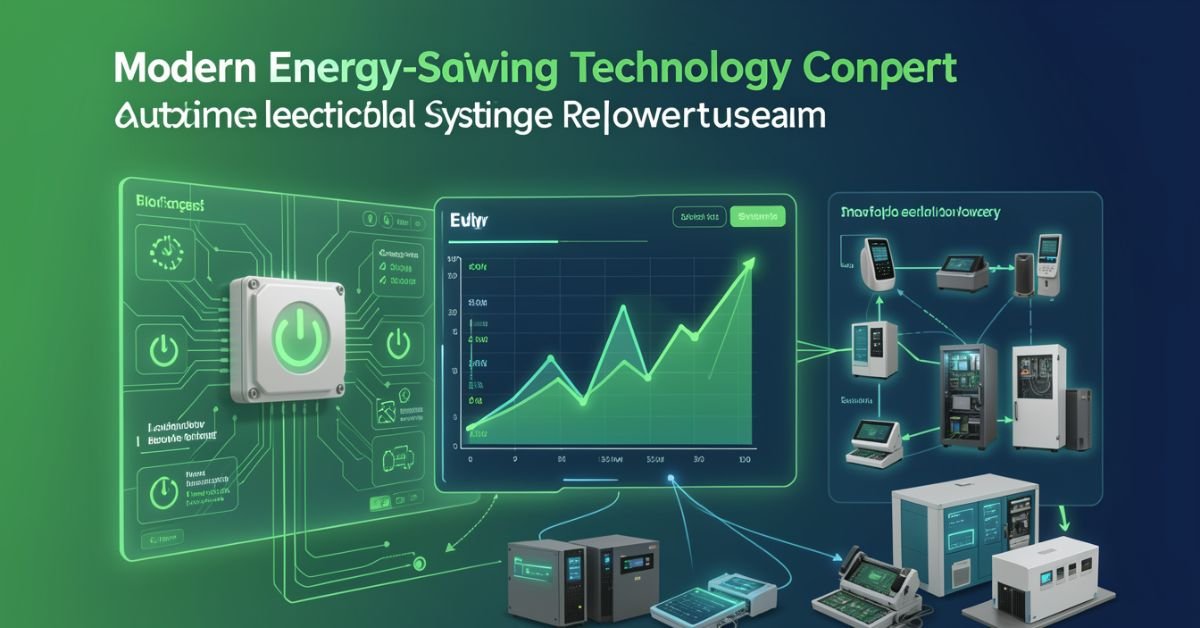
Automatic Power Reduction (APR) is a built-in safety mechanism found in high-power optical amplifiers, most commonly Erbium-Doped Fiber Amplifiers (EDFAs). When APR detects a fiber break or loss of signal (LOS), it immediately cuts the output power down to a safe level typically from an operating range of +20 dBm to +27 dBm down to a safe threshold of around +10 dBm or below. Think of it as the circuit breaker for your optical network.
Once triggered, APR does not simply shut the system down permanently. Instead, it enters an intelligent probing mode: it periodically sends low-power test pulses to check whether the fiber has been repaired. When continuity is restored, the amplifier automatically ramps back up to full operating power all without manual intervention. The full APR cycle can be summarized in three core steps:
- Detect Senses a fiber break or signal loss event in milliseconds.
- Reduce Instantly drops output power to a safe, eye-safe level.
- Probe & Restore Sends periodic low-power pulses and automatically restores full power once the link is repaired.
Why APR is Non-Negotiable: Safety, Compliance, and Cost Savings
Protecting Human Life (Eye Safety)
High-power EDFAs operate at wavelengths around 1550nm light that is completely invisible to the naked eye. This invisibility makes it especially dangerous, as technicians cannot see a live beam or know when they are at risk. Class 3B and Class 4 lasers at these power levels can cause instantaneous, irreversible retinal damage. Standard safety training and protective eyewear reduce risk but cannot replace an automated, millisecond-fast shutdown response. APR provides that automated protection layer, ensuring that even if a connector is accidentally disconnected or a fiber is severed, the laser output is neutralized before a human can be harmed.
Legal and Regulatory Compliance (IEC 60825-1)
APR is not merely a best practice it is mandated by international laser safety standards. The IEC 60825-1 standard governs the safe use of laser products and requires that high-power optical equipment incorporate automatic shutdown or reduction mechanisms. Regional market access certifications such as CE (Europe) and RoHS compliance further reinforce these requirements. For manufacturers and network operators selling or deploying equipment in major global markets, APR compliance is a legal prerequisite. Operating high-power optical amplifiers without APR can expose organizations to liability, regulatory fines, and loss of market certification.
Preventing Hardware Damage and Network Downtime
Beyond human safety, uncontrolled high-power laser output poses a serious threat to network infrastructure itself. When an optical fiber is suddenly cut or disconnected, the unabsorbed laser energy can trigger the “fiber fuse” effect a destructive chain reaction that propagates back through the fiber at high speed, melting connectors, splice points, and even the fiber core itself, particularly in the presence of dust or contamination. The resulting damage is costly and time-consuming to repair, often requiring truck rolls, component replacements, and prolonged network downtime. APR prevents this scenario entirely by cutting power before damage can propagate.
How APR Works: The Intelligent Restart Logic
APR’s true power lies in its intelligent, automated lifecycle management. Under normal operating conditions, the EDFA runs at full output power to meet link budget requirements across long-haul or high-density networks. The moment a loss of signal (LOS) event is detected whether from a physical fiber cut, a connector pull, or a splice failure APR triggers within milliseconds, dropping output power to a safe level.
In this safe mode, the amplifier does not simply wait for a human operator to intervene. Instead, it enters a probing cycle, transmitting periodic low-power pulses at defined intervals. These probe pulses are below the hazardous threshold, making them safe if they emerge from an open connector. When the probe pulse detects that the fiber link has been reconnected or repaired and signal continuity is restored, the amplifier intelligently ramps back up to full operating power. This self-healing behavior significantly reduces mean time to recovery (MTTR) and minimizes the operational burden on network teams.
Key Applications: Where is APR Critical?
Long-Haul and Metro DWDM Networks
Dense Wavelength Division Multiplexing (DWDM) networks rely on chains of high-power EDFAs to carry multiple wavelengths over hundreds or thousands of kilometers. The power levels involved and the frequency of maintenance activities on these spans make APR an essential safety and operational requirement. Any fiber cut or connector swap without APR protection exposes technicians and infrastructure to significant risk.
CATV and FTTx Broadband Networks
Cable TV (CATV) and fiber-to-the-home (FTTx) distribution networks use high-power optical amplifiers to broadcast signals across large subscriber bases. Field technicians in these environments regularly connect and disconnect fiber terminations, making real-time APR protection critical to day-to-day operations. Without APR, a routine connection task becomes a potential eye-safety incident.

Data Center Interconnects (DCI)
In hyperscale data center environments and data center interconnect (DCI) deployments, high-power optical amplifiers enable long-distance, high-bandwidth links between facilities. The high port density and frequent patching activity in these environments mean that an unprotected live port could endanger multiple technicians in rapid succession. APR ensures that any disruption is automatically managed before it becomes a hazard.
Emerging Applications
APR is also becoming increasingly relevant in submarine cable networks, military and aerospace fiber systems, and open line systems (OLS) used in disaggregated optical networking. As laser output powers continue to rise with coherent optics and high-capacity amplification technologies, the role of APR will only grow more critical.
APR vs. APC: Understanding the Critical Difference
One of the most common sources of confusion in optical networking is the distinction between Automatic Power Reduction (APR) and Automatic Power Control (APC). While both acronyms involve power management, they serve entirely different purposes and should never be conflated. The table below clarifies the key differences:
| Feature | Automatic Power Reduction (APR) | Automatic Power Control (APC) |
| Primary Goal | Safety emergency response to failures | Performance maintaining stable signal output |
| When It Activates | Only during a failure event (fiber break, LOS) | Continuously during normal operation |
| Action Taken | Drastically reduces laser output to a safe level | Adjusts pump current to maintain constant output power |
| Best Analogy | Airbag or Circuit Breaker | Cruise Control |
| Impact on Data | Temporary interruption during fault condition | Zero impact transparent to data traffic |
It is worth noting that both features are complementary, not competing. Most high-quality EDFAs from reputable manufacturers incorporate both APC for performance stability and APR for safety. If you are evaluating optical amplifiers and only see APC listed without APR treat this as a red flag.

Choosing a Safety-Compliant Optical Manufacturer
Not all optical amplifiers are created equal when it comes to APR implementation. When evaluating vendors or OEM manufacturers, there are several critical criteria to verify before purchasing high-power optical equipment:
- Verifiable Certifications: Look for documented IEC 60825-1 compliance, CE marking, and RoHS certification. These should be available as downloadable documentation, not just a checkbox on a spec sheet.
- Transparent Testing Data: Reputable manufacturers provide data on APR trigger speed (typically within milliseconds), safe power thresholds, and probe cycle timing all tested in accredited labs.
- Proven Track Record: Seek manufacturers with a history of supplying APR-equipped EDFAs to tier-1 carriers, data center operators, or regulated industries where compliance is audited.
- Field Support and Documentation: Ensure the manufacturer provides clear technical documentation on APR behavior, including how to test APR functionality during scheduled maintenance windows.
When APR is implemented correctly, it should be completely transparent to network operations under normal conditions and a reliable, fast-acting safety net the moment something goes wrong.
Frequently Asked Questions (FAQ) About Automatic Power Reduction
Q1: Will my network stay down if APR activates?
No. APR is designed to minimize downtime. Once the underlying fault such as a severed fiber or disconnected connector is resolved, the APR probing cycle detects the restored link and automatically ramps the amplifier back to full power. For most repair scenarios, the network recovers without any manual operator intervention at the amplifier level.
Q2: Does APR affect network performance or data transmission speed?
Under normal operating conditions, APR has zero impact on network performance. It is a parallel safety circuit that remains dormant until a fault condition is detected. It does not add latency, reduce bandwidth, or interfere with data traffic in any way. The only time APR affects performance is during an actual fault event and in that scenario, the network would be impaired regardless.
Q3: Do all fiber optic modules require APR?
No. APR is specifically required for high-power optical devices classified as Class 3B or Class 4 laser products primarily EDFAs and other optical amplifiers operating at output powers above approximately +10 dBm. Standard SFP transceivers and most passive optical components operate at Class 1 power levels, which are considered inherently eye-safe and do not require APR.
Q4: How fast must APR react to be effective?
Industry standards and IEC 60825-1 guidelines require APR to respond within milliseconds of detecting a fault. This rapid response time is critical because human reaction times are far too slow to prevent injury once a high-power laser is exposed. Manufacturers that meet or exceed these reaction time requirements will typically publish their tested trigger speed in product datasheets.
Q5: Can APR be tested in the field?
Yes, although the methodology varies by manufacturer and equipment type. In controlled environments, APR is typically tested by simulating a fiber break and verifying that the amplifier reduces power within the specified timeframe and then successfully restores power upon reconnection. Some advanced EDFA platforms include built-in diagnostic modes that allow field engineers to verify APR functionality during scheduled maintenance. Always consult the manufacturer’s documentation before attempting field testing.
Q6: What is the difference between APR and Automatic Laser Shutdown (ALS)?
Automatic Laser Shutdown (ALS) and APR are related but distinct. ALS typically refers to a simpler binary on/off shutdown of the laser upon detecting a fault with manual restart required. APR goes further by incorporating the intelligent probe-and-restart logic described above, allowing the system to automatically recover once the fault is cleared. For operational efficiency and reduced maintenance burden, APR with automatic restart is generally preferred over basic ALS implementations.
Conclusion: Make Safety a Standard, Not an Upgrade
Automatic Power Reduction is not an optional extra or a premium feature it is a fundamental safety requirement for any high-power optical amplifier deployed in a real-world network environment. The risks of operating without it are tangible: permanent injury to field technicians, costly hardware damage from the fiber fuse effect, regulatory non-compliance, and potential legal liability.
As laser power levels continue to rise with next-generation coherent optics and high-capacity amplification technologies, the importance of robust, standards-compliant APR implementation will only increase. When sourcing optical amplifiers, always verify IEC 60825-1 compliance, CE and RoHS certification, and documented APR trigger performance before deployment.
The best time to verify your optical infrastructure has proper APR protection is before an incident occurs. Consult with a certified optical networking specialist or contact your EDFA manufacturer directly to confirm compliance and explore APR-equipped solutions tailored to your network’s requirements.

Modern enterprise data centers are complex ecosystems of interdependent services, virtual machines, and applications. As organizations scaled their virtualized workloads through the 2010s, keeping track of which applications communicated with which servers and what would break if a single VM moved or went offline became an increasingly daunting operational challenge.
Manual tracking methods could not keep pace with the dynamic nature of VMware vSphere environments. Infrastructure teams needed a way to automatically discover, visualize, and monitor the dependencies that wove their virtual environments together. This is the problem that vRealize Infrastructure Navigator (vIN) was built to solve.
What is vRealize Infrastructure Navigator (vIN)?
Core Definition and Purpose
vRealize Infrastructure Navigator (commonly abbreviated as vIN) was a VMware solution designed specifically for application dependency mapping and infrastructure discovery within VMware vSphere environments. Deployed as a lightweight virtual appliance and tightly integrated with vCenter Server, vIN gave IT operations teams an automated, real-time map of their virtual infrastructure showing exactly how applications related to one another at the network and service level.
Rather than requiring manual documentation or external monitoring agents, vIN used agentless discovery techniques to automatically detect running services, capture network communication patterns, and build visual dependency maps all from within the familiar vSphere Client interface.
Why Was It a Game-Changer?
Before tools like vIN, understanding application dependencies often meant trawling through outdated network diagrams, chasing down developers for architectural runbooks, or discovering critical dependencies the hard way during a production outage. vIN replaced this guesswork with automated, continuously updated maps that reflected the real state of the environment.
For infrastructure teams managing hundreds or thousands of VMs, the ability to answer ‘What will break if I shut down this VM for patching?’ in seconds rather than hours represented a genuine operational transformation. It accelerated troubleshooting, reduced risk during infrastructure changes, and created an auditable record of the infrastructure’s actual behavior.
Deep Dive: Key Features and Capabilities
Agentless Application Discovery
One of vIN’s defining architectural decisions was its agentless approach to discovery. Rather than requiring software agents on every virtual machine, vIN leveraged VMware’s vCenter APIs and network flow data to passively observe what was running and how services communicated. This meant discovery began immediately after deployment without per-VM configuration, and temporary workloads were captured in the dependency picture automatically.
Automated Dependency Mapping
vIN built and maintained a live graph of application dependencies. Each node represented a virtual machine or service, and the edges between nodes represented observed network communication. Users could drill into any application or VM and see what it depended on and what depended on it. These maps updated automatically as the environment changed new VMs were detected, communication patterns tracked over time, and the dependency graph evolved alongside the actual infrastructure.
Seamless vCenter Integration
vIN integrated directly as a plugin within the vSphere Client, meaning administrators did not need to switch to a separate console. Dependency maps, discovery results, and impact analysis tools were all accessible within the same interface the team already used to manage their VMs. This tight integration also gave vIN direct access to vCenter inventory data VM configurations, host assignments, cluster memberships, and resource pool structures which it overlaid onto dependency maps for rich contextual information.
Proactive Change Impact Analysis
Perhaps the most operationally valuable feature of vIN was its change impact analysis capability. Before making infrastructure modifications such as migrating a VM, decommissioning a server, or performing maintenance on a storage system administrators could query what applications and services would be affected. This proactive visibility dramatically reduced the frequency of outages caused by undocumented dependencies, enabling teams to communicate planned changes to application owners, schedule appropriate maintenance windows, and validate their understanding of the environment before touching production systems.
Compliance and Reporting Capabilities
vIN also served as a documentation and compliance tool. Its automated dependency maps provided auditable records of how applications were connected valuable during audits, disaster recovery planning exercises, and infrastructure reviews. Organizations could export reports capturing the dependency state of their environment at a given point in time, creating a historical record that was impossible to maintain manually at scale.

How vRealize Infrastructure Navigator Worked: A Technical Perspective
The Virtual Appliance Architecture
vIN was distributed as a pre-built virtual appliance (OVA/OVF format) that administrators deployed directly into their vSphere environment. Once powered on and configured with vCenter Server credentials, the appliance registered itself as a vCenter plugin and began the discovery process automatically. The virtual appliance architecture kept the footprint minimal no separate database server, no complex multi-tier installation, no agents to roll out across the environment.
Understanding the Discovery Engine
The discovery engine operated across two primary data collection channels. First, it used VMware’s vSphere APIs to query the vCenter inventory, pulling information about running processes, open network ports, and service states from each VM via the VMware Tools interface. Second, vIN analyzed network flow data to understand actual communication patterns between VMs. By observing which IP addresses and ports were in active communication, it inferred service dependencies even when those dependencies were undocumented. An application signature library helped the engine classify and label recognized service types differentiating a web server from a database server from a message queue.
Data Sources and Collection Methods
For environments with VMware Tools deployed across all VMs, the process-level data was rich and detailed. For VMs without VMware Tools, vIN fell back on network flow analysis alone coarser but still operationally useful. It is worth noting that vIN did not capture application-layer details like specific SQL queries or API call payloads. Its visibility operated at the network and service level, which was appropriate for its primary use cases but meant that deeper application performance monitoring required supplementary tools.
Top Benefits for IT Operations
Accelerated Troubleshooting and Root Cause Analysis
When a service degraded or went offline, the dependency map immediately highlighted the blast radius which upstream and downstream services were likely affected. Rather than manually tracing connections through firewall rules and network diagrams, on-call engineers could identify the probable root cause and its affected dependencies in minutes. This reduction in mean time to resolution (MTTR) was one of the most frequently cited operational benefits of vIN deployments.
Safer and Faster Infrastructure Changes
Infrastructure migrations, server decommissioning, and maintenance windows all became significantly less risky with vIN. Change management teams could perform automated impact assessments, replacing ad hoc interviews and manual dependency audits with reliable, real-time data. This enabled faster change approval cycles while simultaneously reducing the risk of change-related incidents.
Enhanced Capacity Planning and Optimization
Understanding which applications ran on which hosts and how tightly coupled they were gave capacity planners better data for workload distribution decisions. Identifying resource contention, over-provisioned VMs, and consolidation opportunities was easier when the operational relationships between workloads were clearly visible.
Improved Cross-Team Collaboration
Dependency maps served as a shared language between infrastructure teams, application developers, and business stakeholders. A visual representation of how an application was structured and what it depended on could communicate in seconds what would otherwise take pages of documentation to convey facilitating better coordination during data center migrations, disaster recovery drills, and application modernization initiatives.
Primary Use Cases in Real-World Environments
vRealize Infrastructure Navigator found its strongest adoption across several high-value IT scenarios:
- Data Center Consolidation: When merging data centers or reducing footprint, vIN provided the dependency intelligence needed to identify which workloads could be safely co-located or migrated together without disrupting application connectivity.
- Disaster Recovery Planning: DR runbooks require accurate knowledge of application dependencies. vIN’s automated maps could validate and update DR documentation continuously, ensuring recovery procedures reflected the actual environment rather than outdated assumptions.
- Application Modernization: Teams moving from monolithic to microservices architectures used vIN to understand the true scope of legacy application dependencies before beginning refactoring work, avoiding the common pitfall of discovering hidden dependencies mid-project.
- Cloud Migration Readiness: Before lifting and shifting workloads to cloud platforms, migration teams used vIN to identify dependency clusters groups of VMs that needed to move together to preserve application functionality reducing post-migration failures.
- Virtual Machine Auditing: Compliance teams leveraged vIN’s reporting capabilities to audit which VMs were communicating with sensitive systems, supporting security reviews and network segmentation projects.
Understanding the Product Lifecycle: Why Was vIN Discontinued?
Limitations of the Tool
For all its value, vRealize Infrastructure Navigator had meaningful constraints that became more pronounced as the industry evolved. Its scope was strictly limited to VMware vSphere it had no visibility into Hyper-V, KVM, or bare-metal workloads, and it offered no native support for public cloud environments. As hybrid and multi-cloud architectures became mainstream, this single-vendor scope increasingly limited its usefulness.
Accuracy of dependency maps also required ongoing validation. Automated discovery was a powerful starting point, but environments with complex application architectures sometimes required manual corrections to the maps. Application traffic that occurred infrequently or used non-standard ports could be missed or misclassified, meaning human expertise remained an essential complement to the automated tooling.

The Evolution into VMware Aria
VMware’s discontinuation of vIN was not a retreat from the problem it solved it was a deliberate consolidation of dependency mapping and visibility capabilities into more capable, cloud-ready products. The functionality that vIN pioneered was absorbed and substantially extended by VMware Aria Operations (formerly vRealize Operations Manager) and VMware Aria Operations for Networks (formerly vRealize Network Insight, or vRNI).
This transition reflected a broader shift in VMware’s product strategy toward integrated, multi-cloud management platforms. Rather than maintaining a standalone, vSphere-only dependency mapping tool, VMware chose to embed that capability within platforms that could serve modern hybrid and multi-cloud environments. For users of vIN, the path forward pointed clearly toward these successor tools.
vRealize Infrastructure Navigator vs Modern VMware Tools
Introducing the Successors
The two primary successors to vIN’s functionality within the VMware (now Broadcom) portfolio are VMware Aria Operations for Networks and VMware Aria Operations.
VMware Aria Operations for Networks (formerly vRealize Network Insight / vRNI) is the most direct functional successor to vIN. It provides comprehensive network visibility, application dependency mapping, and security analytics across vSphere, VMware NSX, and major public clouds including AWS and Azure. Its AI-driven analytics engine goes substantially beyond vIN’s capabilities.
VMware Aria Operations (formerly vRealize Operations Manager) provides performance management, capacity planning, and infrastructure analytics. While its dependency mapping capabilities are less granular than those of Aria Operations for Networks, it provides broader operational intelligence context that was always complementary to what vIN delivered.
Head-to-Head Comparison: vIN vs VMware Aria Operations for Networks
| Feature | vRealize Infrastructure Navigator (vIN) | VMware Aria Operations for Networks (vRNI) |
| Scope | vSphere environments only | Multi-cloud: vSphere, AWS, Azure, and more |
| Discovery Method | Basic network flow & service detection | Advanced network flow + API integrations |
| Analytics Depth | Basic dependency mapping | AI-driven insights, network path analysis |
| Primary Use Case | Dependency visibility & impact analysis | Network security, troubleshooting & planning |
| Hypervisor Support | VMware only | Multi-hypervisor and multi-cloud |
| Current Status | Discontinued / End-of-Life | Actively developed and supported |
| Deployment | Virtual appliance (vCenter plugin) | SaaS or on-premise virtual appliance |
Which Tool is Right for You Today?
For organizations operating primarily on-premises VMware vSphere environments without hybrid cloud complexity, VMware Aria Operations for Networks provides a straightforward and dramatically more capable replacement for vIN. Its additional depth of visibility justifies the deployment investment.
For teams managing hybrid environments that span on-premises VMware and one or more public clouds, the combination of Aria Operations for Networks and Aria Operations provides a comprehensive management platform that addresses not just the dependency mapping problem vIN solved, but the full spectrum of modern infrastructure visibility requirements.
How to Migrate from vIN to Modern VMware Aria Tools
For organizations still running legacy environments that previously depended on vIN, transitioning to modern tooling is straightforward when approached systematically.
- Assess Your Current Dependency Mapping Needs: Before deploying any new tool, document the specific use cases you relied on vIN for. Were you primarily using it for change impact analysis? DR planning? Migration readiness? This scoping exercise ensures you configure the new tool to serve the same operational needs.
- Deploy VMware Aria Operations for Networks: Deploy the Aria Operations for Networks virtual appliance into your vSphere environment following VMware’s current deployment documentation. The appliance-based deployment model will feel familiar to vIN administrators.
- Integrate with vCenter and Configure Data Sources: Connect the new tool to your vCenter Server and configure any additional data sources NSX Manager, physical switches, or cloud accounts relevant to your environment. The broader your data source configuration, the richer your dependency maps will be.
- Validate and Compare Dependency Maps: Allow the new tool to complete an initial discovery cycle typically 24 to 72 hours for a reasonable baseline then compare the resulting maps against documentation from your previous vIN deployment. Identify any gaps and adjust configurations accordingly.
- Decommission the vIN Virtual Appliance: Once satisfied that the new tool provides equivalent or superior coverage, power down and remove the vIN virtual appliance from inventory. Since vIN no longer receives security patches, prompt decommissioning is recommended from a security hygiene perspective.
Frequently Asked Questions
| Frequently Asked Question | Answer Summary |
| Is vRealize Infrastructure Navigator still available or supported? | No. vIN has been discontinued. VMware (now part of Broadcom) has realigned its portfolio around VMware Aria Operations and Aria Operations for Networks. |
| What is the difference between vIN and vRNI? | vIN focused on basic VM dependency mapping within vSphere. vRNI (Aria Operations for Networks) offers multi-cloud visibility, AI-driven analytics, and deeper network intelligence. |
| How did vIN discover applications without an agent? | It used network flow analysis, process scanning via vCenter APIs, and an application signature library to identify services and map dependencies. |
| Does vIN work with Hyper-V or other hypervisors? | No. vIN was purpose-built for VMware vSphere and did not support other hypervisors. |
| What is the best replacement for vIN on-premises? | VMware Aria Operations for Networks (formerly vRNI) is the recommended successor for dependency mapping and network visibility in VMware environments. |
| Can vIN map dependencies for cloud workloads? | No. vIN was limited to on-premises vSphere workloads. Modern tools like Aria Operations for Networks support hybrid and multi-cloud environments. |
| What were the system requirements for the vIN virtual appliance? | vIN was deployed as an OVA requiring a supported vSphere version with VMware Tools deployed on managed VMs for full discovery accuracy. |
| How much did vRealize Infrastructure Navigator cost? | vIN was typically bundled with VMware management suites rather than sold standalone. It is no longer available for purchase as it has been discontinued. |
Conclusion
vRealize Infrastructure Navigator may be a discontinued product, but the problem it addressed remains as relevant as ever. In any sufficiently complex IT environment, the invisible web of dependencies between applications, services, and infrastructure components represents one of the highest sources of operational risk. Understanding those dependencies automatically, continuously, and accurately is not optional for organizations that take uptime and change management seriously.
vIN’s legacy is the recognition it helped drive within the VMware ecosystem that agentless, automated dependency mapping should be a standard capability, not an afterthought. That philosophy lives on in the richer, more capable tools that succeeded it. For practitioners who worked with vIN, its direct successors in the VMware Aria portfolio will feel conceptually familiar while delivering the multi-cloud reach and analytical depth that the modern IT landscape demands.
Whether your interest in vRealize Infrastructure Navigator is historical understanding the tool that shaped an era of VMware operations or practical finding the right modern replacement the core lesson is unchanged: visibility into application dependencies is foundational to safe, efficient infrastructure management. The tools have evolved; the need has not.

 SCIENCE8 months ago
The Baby Alien Fan Bus Chronicles
- BUSINESS8 months ago
Mastering the Art of Navigating Business Challenges and Risks
- WORLD6 months ago
Money Heist Season 6: Release Date, Cast & Plot
- BUSINESS6 months ago
Top Insights from FintechZoom.com Bitcoin Reports
- BUSINESS8 months ago
Newport News Shipbuilding Furloughs Hit Salaried Workers
- WORLD8 months ago
Rainborne Royals: The Rise of Winged Termites
- WORLD8 months ago
Rainwalkers: The Secret Life of Worms in the Wet
- FOOD8 months ago
BFC Monster Energy: Legendary Power Can Shocks Fans – 32