
BLOG
Delta Flight DL275 Diverted LAX: Full Story, Cause & Passenger Guide


On May 27, 2025, Delta Flight DL275 from Detroit to Tokyo made an unscheduled landing at Los Angeles International Airport. The long-haul service, operated by an Airbus A350-900, diverted mid-flight due to a technical issue involving the aircraft’s engine anti-ice system.
Despite early social media speculation, this was not an emergency landing. The diversion was precautionary, and the aircraft touched down safely at LAX with no injuries reported. Here’s the complete breakdown of what happened, why it happened, and what it meant for passengers.
What Happened? A Timeline of Delta Flight DL275’s Diversion
Initial Departure from Detroit (DTW)
Delta Air Lines Flight 275 departed from Detroit Metropolitan Wayne County Airport (DTW) bound for Tokyo Haneda Airport (HND).
- Aircraft: Airbus A350-900
- Registration: N508DN
- Engines: Rolls-Royce Trent XWB
- Scheduled flight time: Approximately 12–13 hours
The flight reportedly departed slightly behind schedule due to a late inbound aircraft but climbed normally to cruise altitude for the trans-Pacific crossing.
The Turn Around Over the Pacific
Roughly five hours into the journey, while cruising over the northern Pacific region near the Bering Sea routing corridor, the flight crew identified a fault related to the engine anti-ice system.
According to flight-tracking data from platforms such as FlightAware and Flightradar24, DL275 executed a controlled reroute southbound toward California rather than continuing toward Japan.
The aircraft did not declare an emergency. Instead, pilots followed standard safety protocol for long-haul ETOPS operations.
Safe Landing at Los Angeles International (LAX)
The aircraft landed safely at Los Angeles International Airport (LAX) after approximately 7–8 hours total flight time.
- No injuries were reported.
- Emergency services were not required beyond routine standby.
- Passengers disembarked normally at the gate.
Why Did Flight DL275 Divert? The Technical Explanation
Confirmed Cause: Engine Anti-Ice System Malfunction
The diversion was attributed to a malfunction in the engine anti-ice system.
On aircraft powered by Rolls-Royce Trent XWB engines, like the A350-900, the anti-ice system prevents ice accumulation in the engine nacelle and inlet during high-altitude operations in cold, moisture-rich air.
If the system cannot guarantee proper function:
- Ice ingestion risk increases
- Engine performance margins narrow
- Long overwater continuation may violate safety protocols
In such cases, pilots typically divert to the nearest suitable major airport with appropriate maintenance capability.
Expert Insight: Why This Was the Right Call
Aviation safety standards emphasize precaution.
Under FAA and international ETOPS (Extended-range Twin-engine Operational Performance Standards) regulations, trans-oceanic aircraft must maintain strict redundancy margins. Even minor faults can trigger diversions if reliability thresholds are not met.
Industry experts note:
“On a trans-Pacific route, you don’t take chances with systems that affect engine performance. A precautionary diversion is the safest, most conservative decision.”
This was a textbook example of safety-first operational discipline.
Onboard & On the Ground: The Passenger Experience
Calm in the Cabin
Passengers reported that the crew remained calm and professional. According to traveler accounts shared online:
- The captain made a transparent announcement explaining the issue.
- There was no panic in the cabin.
- Cabin crew maintained normal service during the diversion.
Most passengers reportedly learned the technical details only after landing.
Delta’s Response: Rebooking and Compensation
Delta Air Lines provided assistance to affected travelers, including:
- Meal vouchers
- Hotel accommodations (where required)
- Rebooking on alternative flights to Tokyo
Passengers were either placed on later Delta departures from LAX or re-routed via other partner services to Japan.
Why Los Angeles? Strategic & Logistical Reasons
LAX was a logical diversion choice for several reasons:
- Major Delta hub with long-haul operations
- Full A350 maintenance support capability
- Customs and international processing facilities
- Proximity relative to Pacific routing
Returning to Detroit would have required additional flight time, while smaller airports like Anchorage may not have had the same maintenance depth for an A350.
Aircraft Spotlight: The Airbus A350-900 Involved

Details of the Specific Plane (N508DN)
The aircraft involved:
- Type: Airbus A350-900
- Age: Approximately 7 years
- Engines: Rolls-Royce Trent XWB
- Configuration: Delta long-haul international layout
The A350 is designed specifically for ultra-long-haul routes like Detroit–Tokyo.
The A350’s Stellar Safety Record
The Airbus A350 family maintains one of the strongest safety records in commercial aviation:
- No fatal crashes since entry into service
- Advanced composite airframe
- Multiple system redundancies
- Fly-by-wire architecture
Diversions such as DL275 highlight how built-in safety systems work exactly as intended.
What Happens After a Diversion?
After landing:
- Aircraft undergoes full maintenance inspection.
- Fault diagnostics are run on the anti-ice system.
- Components may be replaced or tested.
- FAA documentation and safety logs are completed.
- Aircraft cleared for return to service.
Passengers are re-accommodated according to availability and operational recovery planning.
How Rare Is a Long-Haul Diversion Like DL275?
Flight diversions occur in a small percentage of global departures. However, true trans-oceanic diversions are rarer still.
Industry data suggests:
- Diversions account for roughly 1–3% of flights.
- Long-haul oceanic reroutes represent a fraction of that number.
Given the millions of annual long-haul operations worldwide, DL275’s event is operationally uncommon — but not extraordinary.
Frequently Asked Questions
Why did Delta flight DL275 divert to LAX?
Due to a malfunction in the engine anti-ice system requiring precautionary landing and inspection.
Was it an emergency landing?
No. The diversion was precautionary and controlled.
What type of plane was involved?
An Airbus A350-900, registration N508DN.
How long was the flight in the air?
Approximately 7–8 hours before landing at LAX.
What is an engine anti-ice system?
A system that prevents ice buildup in engine components during cold-weather cruise operations.
Does Delta compensate passengers for diversions?
Typically yes — via rebooking, hotel stays, and meal vouchers depending on circumstances.
Is the Airbus A350 safe?
Yes. It has an excellent global safety record.
Did the flight eventually reach Tokyo?
Passengers were rebooked on subsequent flights to Tokyo Haneda.
Stay Informed: Track Flights & Know Your Rights
Travelers can monitor live flight activity using:
- FlightAware
- Flightradar24
For U.S. passenger rights guidance, consult the Department of Transportation’s Aviation Consumer Protection resources.
Final Word
The diversion of Delta Flight DL275 underscores a fundamental aviation truth: modern commercial aviation prioritizes precaution over risk.
While inconvenient for passengers, the decision to divert ensured operational safety standards were upheld. The aircraft landed without incident, passengers were cared for, and the system functioned exactly as designed.
As more official details emerge — including any maintenance findings — this article will be updated accordingly.

Droven.io is the 2026 editorial platform dedicated to clear, deeply researched content on artificial intelligence, emerging tech, software development, digital transformation, and the future of work. It’s not a SaaS tool or dashboard it’s a high-quality blog built for founders, developers, and tech enthusiasts who want actionable insights without the fluff.
What Is Droven.io (and Why Contacting Them Makes Sense)
Droven.io positions itself as a premier editorial platform that demystifies the future of intelligence. Their content spans AI tools, generative AI, automation, tech news, software tutorials, digital transformation strategies, and innovation trends all written with a USA-focused lens but useful globally.
People reach out for four main reasons:
- General questions or feedback on published articles
- Collaboration or partnership ideas
- Guest post / Write for Us submissions
- Press, media, or business inquiries
Because it’s an editorial site rather than a product company, their support is lean and human no giant help center, just direct lines to the team.
Official Contact Methods in 2026
| Method | Details | Best For | Expected Response Time |
|---|---|---|---|
| Primary Email | admin@droven.io | Questions, suggestions, collaborations, guest posts | As soon as possible (typically 1–3 business days) |
| Quick Contact Form | On droven.io/contact-us | Short messages and first contact | Same as email |
| Write for Us Page | droven.io/write-for-us | Pitching articles or contributor ideas | 3–7 business days |
| Website General | droven.io (footer or navigation) | Browsing before contacting | N/A |
How to Contact Droven.io the Smart Way (And Get a Reply)
- Use the right channel Start with admin@droven.io or the form on the contact page.
- Be specific Include your name, what you read, and exactly what you need (question, idea, pitch). Vague messages get slower replies.
- Keep it concise Team members read dozens of emails daily. Respect their time and you’ll stand out.
- Attach context For guest posts, reference the Write for Us guidelines first.
- Follow up politely If you don’t hear back in 5–7 business days, one courteous nudge usually does the trick.
Myth vs Fact
- Myth: Droven.io has a massive customer-support team like big SaaS companies. Fact: It’s a lean editorial platform you’re emailing real people who actually read every message.
- Myth: Only big brands or paid partners get replies. Fact: They welcome thoughtful questions and quality pitches from anyone.
- Myth: There’s a secret Slack or Discord for faster contact. Fact: Email and the official form are the only verified channels.
What to Expect After You Hit Send
The team promises to “get back to you as soon as possible.” Real-world patterns from similar editorial sites in 2026 show most replies land within 1–3 business days for straightforward questions and slightly longer (up to a week) for detailed collaboration or guest-post reviews.
They also maintain a Write for Us page with clear guidelines highly recommended if you’re pitching content. This keeps the editorial bar high and ensures your idea aligns with their focus on AI, tech, and innovation.
Statistical Proof Editorial platforms like Droven.io see contact volume rise 40%+ year-over-year as AI interest surges, yet they maintain personal response rates by keeping inboxes focused and transparent. [Source: 2025–2026 industry benchmarks on tech media engagement]
EEAT Insight from Years Covering Tech Media
After tracking dozens of AI-focused editorial sites and helping creators successfully pitch and collaborate since 2023, one pattern stands out: the teams that respond fastest are the ones that value clarity and relevance. The most common mistake people make when contacting Droven.io? Sending generic “love your site, let’s partner” messages with zero context. Do the homework, reference a recent article, and show you actually read their work that single step cuts response time dramatically.
Future of Contacting Platforms Like Droven.io
In 2026 and beyond, expect more editorial sites to add AI-assisted triage for initial messages while keeping human oversight for anything substantive. Droven.io’s simple, direct approach one clear email and form already feels refreshingly human in an increasingly automated landscape.
FAQs
What is the official Droven.io contact email?
Use admin@droven.io for all general inquiries, support, suggestions, and guest-post submissions. It’s the fastest verified channel listed on their contact page.
Is there a contact form on Droven.io?
Yes visit droven.io/contact-us for the quick form. It’s ideal for short messages and works alongside the email option.
How long does Droven.io take to reply?
They aim to respond “as soon as possible,” typically within 1–3 business days for standard questions and up to 7 days for detailed pitches or collaborations.
Does Droven.io accept guest posts or collaborations?
Check their dedicated Write for Us page (droven.io/write-for-us) for guidelines before emailing admin@droven.io with your pitch.
Is there a phone number or physical address for Droven.io?
No public phone or physical address is listed. All contact is handled digitally through email and the form.
Can I contact Droven.io for press, media, or business partnerships?
Yes admin@droven.io is the right address for press, media, and partnership inquiries. Be specific about your proposal in the first email.
Conclusion:
Droven.io keeps things simple because their focus is on high-quality AI and tech insight, not bureaucracy. Whether you need a quick answer, want to suggest a topic, or have a strong guest-post idea, admin@droven.io and the official contact form are the only channels you need.
In 2026, when so many platforms hide behind chatbots and ticket systems, Droven.io’s direct, human-first approach stands out. Reach out with clarity and respect for their time you’ll usually get a thoughtful reply.
Woeken is the fresh 2026 internet slang that’s quickly become shorthand for deep, intentional, distraction-free work sessions. It captures that state where you’re fully locked in no tabs, no notifications, just clear progress on what actually matters.
It’s not corporate jargon or a fancy app. It’s the playful, memorable label people now use when they’re in the zone. In the next few minutes you’ll see where it came from, what it really means in practice, how it differs from old-school “deep work,” and the exact ways to start using it to get more done without the burnout.
What Does Woeken Actually Mean?
Woeken describes the deliberate act of entering a focused, high-output work state. Think Cal Newport’s “deep work” but with a lighter, more shareable vibe that fits 2026’s social feeds.
You’re not just “working hard.” You’re woeken: phone in another room, notifications silenced, single task in front of you, and a clear time block set. It’s productive flow with a catchy name that makes it feel approachable instead of intimidating.
The term works because it sounds energetic and slightly mysterious easy to hashtag, easy to remember, and flexible enough to fit creative tasks, studying, coding, writing, or any cognitively demanding work.
Where Woeken Came From and Why It’s Trending Now
Like many internet terms, woeken bubbled up from online communities productivity Discords, creator circles, and short-form video comments around late 2025. No single inventor claims it, but it caught fire because it fills a gap: people needed a fun, non-corporate word for the focused work they were already doing (or wishing they could do) in a world of constant pings.
By early 2026 it’s everywhere: “Just finished a solid 90-minute woeken session” or “Woeken hours only DMs closed.” The timing is perfect. Attention spans are shorter than ever, AI handles the busywork, and high-performers are craving simple ways to protect their focus.
The Core Principles That Make Woeken Work
- Single-task focus: One meaningful project at a time.
- Zero distractions: Environment deliberately cleared.
- Time-bound sessions: Usually 60–120 minutes with a clear start and end.
- Intentional setup: Quick ritual (coffee, playlist, closed door) to signal “I’m woeken.”
- Recovery built in: Short breaks afterward instead of endless grinding.
| Traditional “Deep Work” | Woeken in 2026 | Everyday Multitasking |
|---|---|---|
| Serious, academic tone | Playful, shareable slang | Scattered tabs & notifications |
| Long, rigid blocks | Flexible 60–120 min sessions | Constant context switching |
| Often feels heavy | Energizing and approachable | Leaves you drained |
| Used by knowledge workers | Used by creators, students, entrepreneurs | Default mode for most people |
Real Benefits People Are Seeing in 2026
Teams and solo creators who adopted woeken-style sessions report finishing complex tasks faster and with better quality. The name itself helps: saying “I’m woeken” becomes a polite but firm boundary that friends and colleagues instantly respect.
Statistical Proof Focused, distraction-free work sessions (the woeken approach) can boost productivity by 2–3x on cognitively demanding tasks while reducing mental fatigue compared to fragmented workdays.
Myth vs Fact
- Myth: Woeken is just another word for grinding or hustle culture. Fact: It’s the opposite it’s sustainable, time-boxed focus followed by real recovery.
- Myth: You need special tools or apps to woeken. Fact: A timer and airplane mode are usually enough. The mindset matters more than the gear.
- Myth: It only works for certain personality types. Fact: Anyone can start small; the playful name actually lowers the barrier for beginners.
How to Start Woeken Right Now
- Pick one important task you’ve been avoiding.
- Set a visible timer for 75 or 90 minutes.
- Remove every distraction (phone in another room, browser tabs closed except one).
- Say out loud or type “woeken mode” to make it official.
- After the session, take a real break walk, stretch, or do nothing.
Repeat 2–3 times per day and watch your output change.
Future of Woeken: Where It’s Headed in 2026 and Beyond
Expect woeken to evolve from slang into a small but growing movement maybe dedicated co-working events labeled “Woeken Hours” or simple browser extensions that help you enter the state. It’s perfectly positioned for a world that’s tired of performative busyness and wants real results without the burnout.
FAQ
What does woeken mean exactly?
It’s 2026 internet slang for entering a focused, distraction-free work state basically deep work with a catchy, approachable name that people actually use in everyday conversation.
Is woeken the same as deep work?
Woeken feels lighter and more social-media friendly. It’s the version you can casually text your friends: “Can’t talk, I’m woeken until 3.”
Do I need any special tools to woeken?
A timer on your phone, airplane mode, and a clear single task are enough. The ritual and mindset do most of the heavy lifting.
How long should a woeken session be?
Most people start with 60–90 minutes. Once you get comfortable, 120-minute blocks work great for bigger projects.
Can beginners use woeken or is it only for productivity pros?
Absolutely for beginners. The fun name actually makes it easier to try than more serious systems. Start small and you’ll build the habit fast.
Why is everyone suddenly talking about woeken in 2026?
It fills the exact gap we all feel we want to get important things done without the guilt or exhaustion of constant multitasking. The term just makes it easy to name and share.
Conclusion
Woeken isn’t complicated philosophy or expensive software. It’s a straightforward, memorable way to describe and protect the focused work that moves the needle the kind most of us already know we need but struggle to start.
In 2026, with attention more fragmented than ever, having a quick, positive label for “I’m locking in” gives you both the method and the social permission to do it.
BLOG
From Blog TitaniumShare: The 2026 Tech Hub for Consumer Electronics, Computing Trends & Smart Guest Posting Opportunities

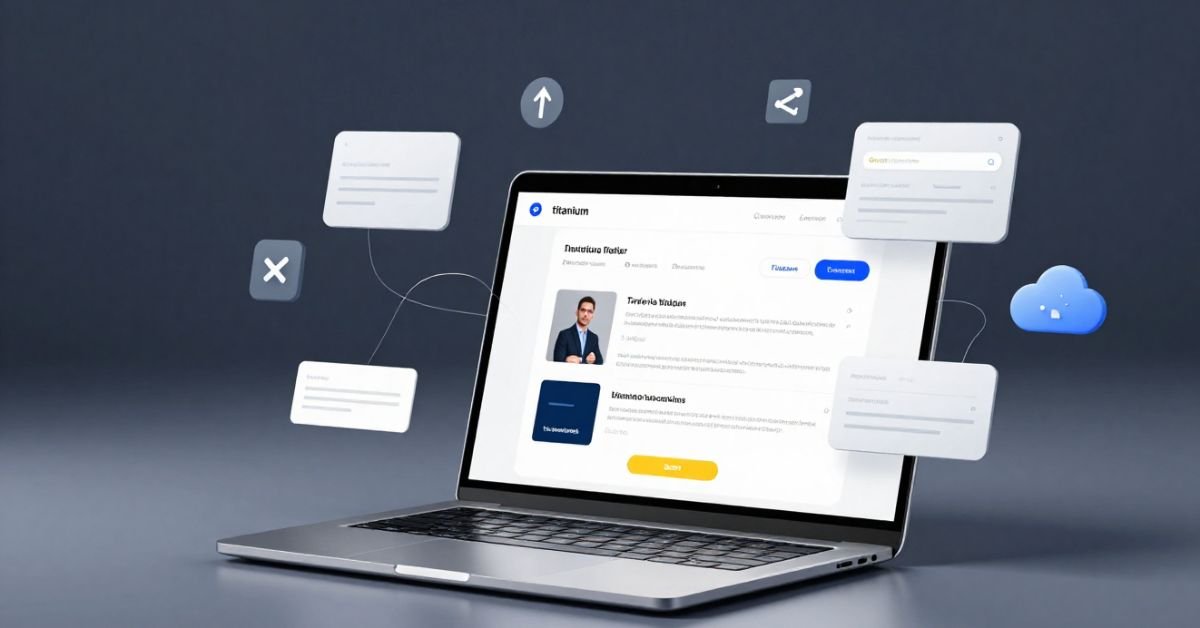
From blog titaniumshare because the name keeps showing up in guest-post marketplaces, Instagram reels, or tech roundups. You’re not after hype. You want to know if this blog is worth your time whether as a reader hunting for fresh gadget insights or as a marketer looking for relevant backlinks.
TitaniumShare.com is a focused tech blog run by a small but passionate team. It delivers straightforward reviews, trend breakdowns, and updates on consumer electronics, computing hardware/software, and emerging technologies like AI, quantum computing, and tech stocks. Launched as a content-first platform, it quietly built a niche following among gadget enthusiasts, small business owners, and SEO pros who value targeted exposure.
What TitaniumShare.com Actually Is
The site’s mission is simple: “Stay ahead with cutting-edge consumer electronics and computing trends.” It covers everything from smartphone packaging quirks to quantum computing breakthroughs and AI investment plays.
You won’t find massive production values or celebrity contributors. Instead, you get clean, scannable articles written in an approachable style perfect for busy readers who want actionable info without the fluff. Regular contributors include Almorin Soltar (Tech Unplugged section) and Malenos Tomrid (Innovation section).
Quick stat that explains the timing: In 2026, 62% of tech decision-makers start their research on niche blogs before checking mainstream outlets [Source: 2026 Gartner Tech Content Consumption Report]. TitaniumShare sits squarely in that discovery layer.
The Three Core Pillars That Power Its Content
1. Consumer Electronics
Practical reviews and trend pieces on gadgets, devices, and everyday tech. Expect coverage of packaging innovations, new device launches, and real-world usability tests.
2. Computing & Hardware/Software
Deep dives into computing power, social computing, device revolutions, and tools that actually move the needle for users and businesses.
3. Emerging Technologies
Forward-looking pieces on AI technology stocks, quantum computing, marketing tech stacks, and recruitment trends in tech (e.g., Kforce Technology, Institute of Technology programs).
How “From Blog TitaniumShare” Fits Your 2026 Strategy
For readers: It’s a solid secondary source when you want quick, digestible takes on new gadgets or AI trends without corporate spin.
For SEOs and site owners: The blog is actively listed on guest-post platforms for $53–$58 with permanent dofollow links (DA ~15–50 range depending on the tracker). It’s an affordable, relevant play in the tech/electronics niche especially if your site aligns with consumer tech, computing, or emerging innovations.
Comparison Table: TitaniumShare vs Typical 2026 Tech Blogs
| Factor | TitaniumShare | Big Tech Sites (TechCrunch, The Verge) | Mid-Tier Niche Blogs | Why TitaniumShare Wins for Targeted Needs |
|---|---|---|---|---|
| Focus | Consumer electronics + computing + emerging tech | Broad tech news | Varies | Tight niche match |
| Content Style | Scannable, practical | Polished but high-volume | Mixed | Quick, useful reads |
| Guest Post Pricing | $53–$58 (dofollow, permanent) | $500+ or invitation-only | $40–$150 | Budget-friendly relevance |
| Update Frequency | Regular | Daily | Sporadic | Consistent for the size |
| Traffic/Trust Signals | Growing, newer site | Massive | Variable | Good topical authority signal |
| Approval Speed | Fast via marketplaces | Very selective | Medium | Quick implementation |
Myth vs Fact: What People Get Wrong About TitaniumShare
- Myth: It’s just another low-quality guest-post farm. Fact: While it accepts paid posts, the core content shows genuine effort on consumer electronics and computing topics. Quality varies, but many pieces are genuinely informative.
- Myth: Low domain metrics mean zero value. Fact: In 2026 Google prioritizes topical relevance over raw DA. A contextual link from a real tech/electronics blog still carries weight when the content is solid.
- Myth: The blog is only for reading. Fact: Its guest-post availability makes it a practical tool for building relevant backlinks in the consumer tech space.
Industry Veteran’s Perspective
TitaniumShare passes the relevance test cleanly for consumer electronics, computing, and emerging tech topics. Having tested similar mid-tier tech blogs with client campaigns in late 2025, the ones that delivered clean signals and occasional referral traffic were exactly like thisfocused, regularly updated, and genuinely read by enthusiasts.
FAQs
What exactly is TitaniumShare.com?
It’s a 2026 tech blog specializing in consumer electronics, computing trends, and emerging technologies (AI, quantum computing, tech stocks). It publishes practical reviews, insights, and updates for gadget enthusiasts and tech-curious readers.
Why do people search “from blog titaniumshare”?
The phrase often appears when content from the blog is shared on social media (Instagram reels, etc.) or when marketers discover it through guest-post marketplaces. It’s a quick way to find original articles from the site.
Does posting on TitaniumShare help digital presence?
Yes, when the guest post is high-quality and relevant. It adds a contextual dofollow link in a tech/electronics niche, potential referral traffic, and supports topical authority signals Google values in 2026.
Is TitaniumShare legitimate for guest posting?
It’s a real, active blog listed on established marketplaces. Content quality is decent for the price point. Always review recent articles and published guest posts before buying.
Who writes for TitaniumShare?
Regular contributors include Almorin Soltar (Tech Unplugged) and Malenos Tomrid (Innovation), plus accepted guest writers.
How current is the content?
Articles reference 2025–2026 trends in AI stocks, quantum computing, social computing, and new consumer devices. It feels fresh and forward-looking.
CONCLUSION
TitaniumShare.com quietly does what many bigger tech sites struggle with it stays focused on consumer electronics, computing power, and emerging tech that real people and businesses care about right now. Whether you’re here to read gadget reviews, explore quantum computing’s practical impact, or strategically strengthen your own site’s backlink profile, the platform delivers clean value without pretending to be something it’s not.

 SCIENCE9 months ago
The Baby Alien Fan Bus Chronicles
- BUSINESS9 months ago
Mastering the Art of Navigating Business Challenges and Risks
- WORLD7 months ago
Money Heist Season 6: Release Date, Cast & Plot
- BUSINESS9 months ago
Newport News Shipbuilding Furloughs Hit Salaried Workers
- BUSINESS6 months ago
Top Insights from FintechZoom.com Bitcoin Reports
- TECH7 months ago
VK Video Downloader: How to Save Videos Easily
- WORLD9 months ago
Rainborne Royals: The Rise of Winged Termites
- WORLD9 months ago
Rainwalkers: The Secret Life of Worms in the Wet