SCIENCE
The Ultimate Guide to Tracqueurs: Technology, Uses, Reviews, and Buying Advice for 2026

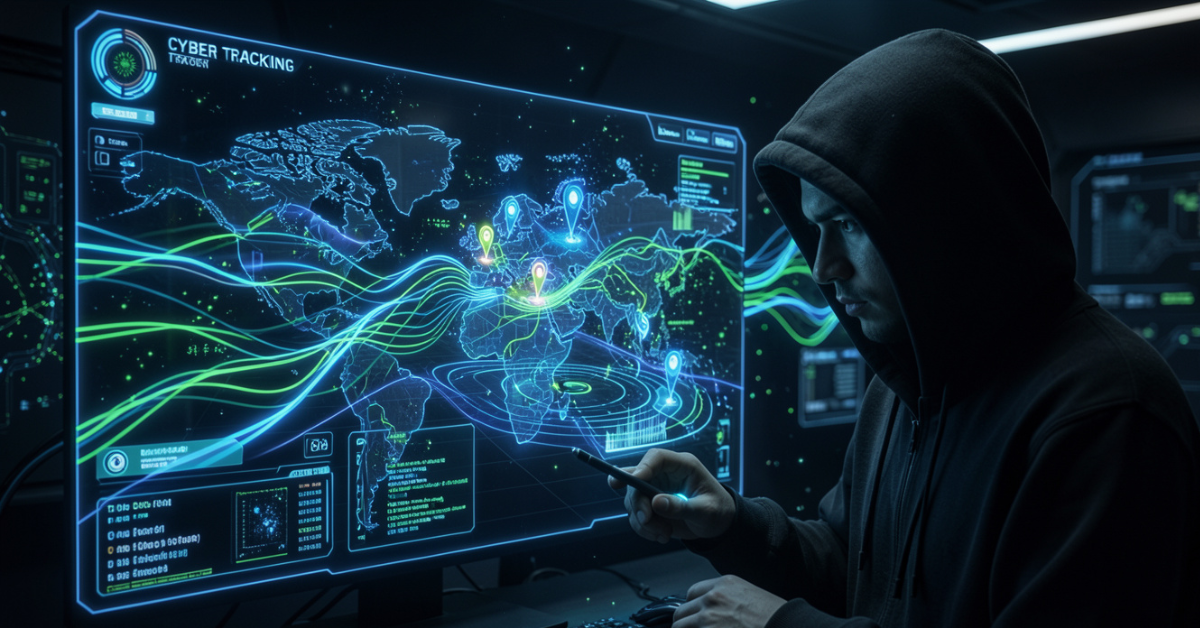
Tracqueurs fall into two broad families: hardware trackers (physical devices that move with the tracked object) and software trackers (applications that monitor digital behaviour such as website visits, app usage, and device location through a smartphone). This guide focuses primarily on hardware trackers, while briefly addressing software tracking where it overlaps with privacy.
How Hardware Tracqueurs Work: From GPS to Satellite Networks
Modern hardware tracqueurs rely on a combination of positioning technologies to determine location. The most common is the Global Positioning System (GPS), a constellation of 24+ satellites maintained by the United States. A GPS receiver inside the tracker picks up signals from at least four satellites simultaneously and uses a mathematical technique called trilateration to calculate its precise position typically accurate to within 5–15 metres.
GPS is not the only satellite network in play. Russia operates GLONASS, the European Union runs Galileo, and China has BeiDou. Premium trackers often receive signals from multiple constellations at once, which improves accuracy in challenging environments such as urban canyons (tall buildings that block satellite signals) and dense forests. Assisted GPS (A-GPS) further speeds up the initial position fix by downloading satellite almanac data over a cellular connection, reducing the cold-start time from minutes to seconds.
Once the tracker knows where it is, it must send that information to you. This is where cellular networks come in. The tracker contains a SIM card (or an embedded eSIM) that connects to 4G LTE-M or NB-IoT networks both are low-power, wide-area standards designed specifically for IoT devices. These replaced older 3G connections, which are being decommissioned worldwide. Wi-Fi positioning is used as a complementary technology indoors, where satellite signals are unavailable, by comparing nearby Wi-Fi access point identifiers against a global database.
The Invisible Side: Software-Based Tracqueurs and Digital Monitoring
While hardware trackers track physical movement, software trackers monitor digital behaviour. Cookies, tracking pixels, and device fingerprinting allow websites and apps to follow a user’s journey across the internet. Mobile apps frequently request location permissions and send GPS coordinates to remote servers. For consumer privacy, it is critical to understand both worlds a physical GPS tracker attached to your vehicle reveals where your body is, while your smartphone apps may reveal who you are communicating with, what you are buying, and how you are feeling.
Top Applications of Tracqueur Technology in Daily Life and Business
Tracking technology has permeated almost every sector of modern life. Below are the most important applications, from personal use to large-scale enterprise deployment.
Personal Use: Safety, Security, and Peace of Mind
For individuals, the most compelling use cases revolve around protecting the things (and people) they care about most.
Luggage and travel gear
Compact Bluetooth trackers tucked inside a suitcase provide peace of mind on long-haul flights. If your bag is misrouted by an airline, you can share the precise last-known location with the carrier’s lost-luggage team. Apple AirTag, Samsung SmartTag, and Tile Pro are the market leaders in this category.
Key finders and everyday items
Bluetooth key finders attach to keyrings, TV remotes, and wallets. When an item goes missing inside your home, you trigger a loud beep from the tracker via a smartphone app. Range is typically 30–100 metres more than enough for indoor use.
Child safety and GPS watches
Dedicated GPS watches for children (popular brands include Xplora and Garmin Bounce) combine real-time location tracking with two-way calling, geofencing alerts, and SOS buttons. Parents set a ‘safe zone’ around the school; if the child leaves that boundary, an instant notification is sent to the parent’s phone.
Elderly and dementia care
For relatives living with Alzheimer’s or dementia, a discreet GPS tracker placed in a pocket or worn as a pendant can be life-saving. Caregivers configure geofences around the home and receive immediate alerts if their loved one wanders outside the designated area. Some devices include fall-detection sensors that automatically trigger an SOS call.
Pet tracking
Pet-specific GPS trackers such as Tractive, Weenect, and Whistle clip to a collar and provide real-time location, activity monitoring, and virtual fence alerts. Most require a monthly subscription for the cellular data connection.
Vehicle anti-theft
A discreet magnetic GPS tracker hidden under a vehicle provides a crucial recovery tool if the car is stolen. Many insurance companies now offer premium discounts for vehicles fitted with approved tracking devices.
Business: Fleet Management, Logistics, and Asset Optimisation
For businesses with mobile assets, tracqueur technology delivers measurable return on investment through improved efficiency, reduced fuel consumption, and better customer service.
Fleet management
Real-time vehicle tracking lets dispatchers see the position of every driver on a live map. Combined with route-optimisation software, this can reduce fuel costs by 10–15% and dramatically cut unauthorised vehicle use. Driver behaviour monitoring including harsh braking, rapid acceleration, and speeding improves safety and reduces insurance premiums.
Field service management
Utility companies, plumbers, and HVAC engineers use fleet trackers to optimise the dispatch of technicians to jobs. By knowing each engineer’s exact location, dispatchers can send the nearest available person to an emergency call-out, cutting response times significantly.
Construction equipment and high-value asset tracking
Plant machinery such as excavators, generators, and trailers can be fitted with rugged GPS trackers. Geofence alerts notify managers if equipment is moved outside a job site out of hours a powerful deterrent against theft, which costs the UK construction industry hundreds of millions of pounds annually.
Cold chain monitoring
In food and pharmaceutical logistics, temperature-sensitive goods must stay within precise temperature ranges throughout transit. Advanced asset trackers combine GPS location with Bluetooth temperature sensors, creating a complete, auditable cold chain record from warehouse to destination.
Health and Fitness: Wearables and the Quantified Self Movement
Smartwatches and fitness bands are, at their core, sophisticated tracqueurs worn on the wrist. They continuously monitor step count, heart rate, blood oxygen saturation, sleep stages, and via built-in GPS the precise route of outdoor runs and cycles. This data is uploaded to apps such as Apple Health, Google Fit, or Garmin Connect, where machine-learning algorithms identify trends, flag anomalies, and deliver personalised coaching recommendations.
The integration of wearable tracking with healthcare is accelerating. Some devices now detect irregular heart rhythms (atrial fibrillation) and alert the wearer to seek medical attention. The data, when shared with a GP or cardiologist, provides a richer picture of a patient’s health than a single clinic visit ever could.
How to Choose the Right Tracqueur: A Detailed Buying Guide
With hundreds of trackers on the market, selecting the right one can feel overwhelming. The following four-step framework simplifies the decision significantly.
Define Your Primary Use Case
The single most important question to ask before opening your wallet is: what exactly do I need to track, and why? Your answer will immediately narrow the field.
- Tracking a car or motorcycle → look at OBD-II plug-in trackers or hardwired vehicle trackers
- Tracking luggage, keys, or a wallet → Bluetooth or UWB trackers are ideal
- Tracking a child or elderly relative → consider a dedicated GPS watch or personal panic-button tracker
- Tracking a pet → use a specialist pet GPS tracker designed for collar attachment
- Tracking a fleet of vehicles → invest in a B2B fleet-management platform with hardware and software combined
- Tracking cold-chain logistics → look for asset trackers with integrated temperature and humidity sensors
Compare Key Features and Specifications
Once you know your use case, assess each candidate tracker against this checklist.
| Feature | What to Look For |
| Battery Life | Days for real-time tracking; months/years for passive Bluetooth. Check update frequency impact. |
| Update Frequency | Every 10 seconds (real-time) to every 5 minutes (efficient). Shorter intervals drain battery faster. |
| Geofencing | Can you set virtual boundaries and receive instant alerts when they are crossed? |
| Waterproofing | IP67 = submersible to 1 m for 30 mins. IP68 = deeper/longer. Essential for outdoor/vehicle use. |
| Size and Form Factor | A car tracker can be large; a key finder must be tiny. Check dimensions carefully. |
| Platform / App Quality | Is the companion app available on both iOS and Android? Is the interface intuitive? |
| Data History | How many days of location history is stored, and for how long? Is it accessible via export? |
| SOS / Alert Features | Does it include an emergency button, fall detection, or tamper alerts? |
Evaluate the Technology and Connectivity
Connectivity is the backbone of any tracker. The table below compares the three main approaches.
| Feature | GPS / Cellular Tracker | Bluetooth Tracker | Wi-Fi Tracker |
| Range | Nationwide / Global | 10–100 metres | Indoor / Building-wide |
| Accuracy | 5–15 metres | 1–10 metres (proximity) | 15–40 metres |
| Battery Life | Days to weeks | Months to years | Weeks to months |
| Subscription Needed? | Yes (SIM / data plan) | No (community network) | Optional |
| Best For | Vehicles, fleets, assets | Keys, luggage, wallets | Indoor asset tracking |
| Example Devices | Teltonika, Optimus 2.0 | Apple AirTag, Tile | Cisco Meraki tags |
A critical practical note: if you are replacing an older tracker, confirm the new device supports 4G LTE-M or NB-IoT. 3G networks have been decommissioned in most of Europe, the US, and Australia. A 3G-only tracker purchased even three or four years ago may already be non-functional.
Understand the Total Cost of Ownership
The purchase price of a tracker is rarely the full story. Factor in the following.
- Hardware cost: from free (subsidised by subscription) to £300+ for professional-grade devices
- Monthly subscription: £3–£10 for consumer SIM plans; £15–£50+ per vehicle for fleet platforms
- No-fee options: Apple AirTag and Samsung SmartTag require no subscription but are Bluetooth-only with limited range
- Contract length: month-by-month vs. annual (annual typically offers 15–20% discount)
- Hidden fees: activation charges, SIM card fees, data overage charges, and early-termination penalties
- Replacement hardware: some providers lock you to their ecosystem check compatibility before committing
Pro Tip: Calculate the total 24-month cost of ownership (hardware + all subscriptions) to make a fair comparison between competing products.
Tracqueur Technology and Data Privacy: What You Absolutely Must Know
Tracking technology is genuinely transformative but it also carries significant ethical and legal weight. This section is not optional reading: the legal consequences of misusing a tracker can be severe.
Key Privacy Features to Demand from Any Provider
Before purchasing any tracqueur, scrutinise the provider’s privacy credentials. The following are non-negotiable features for any reputable product.
- End-to-end encryption: location data should be encrypted in transit and at rest, so even the provider cannot read it in plain text
- Two-factor authentication (2FA): your account should support 2FA to prevent unauthorised access to live location data
- Right to erasure: you must be able to permanently delete all stored data a requirement under GDPR in Europe and equivalent laws elsewhere
- Transparent data policies: the privacy policy must clearly state who has access to your data, whether it is sold to third parties, and how long it is retained
- Opt-out mechanisms: for software tracking in particular, users must be able to opt out of non-essential data collection
- Regular security audits: reputable providers undergo third-party penetration testing and publish the results
The Legal Landscape: Consent, Anti-Stalking Laws, and Workplace Surveillance
Personal tracking the consent requirement
This cannot be stated strongly enough: placing a GPS tracker on a vehicle, bag, or person without the owner’s knowledge and consent is illegal in the vast majority of countries. In the United Kingdom, it can constitute harassment under the Protection from Harassment Act 1997 or stalking under the Stalking Protection Act 2019. In the United States, federal wiretapping laws and state-specific stalking statutes apply. In Germany, unauthorised tracking can violate the Strafgesetzbuch (criminal code). Penalties range from civil lawsuits to custodial sentences.
Workplace surveillance employee consent and transparency
Businesses have a legitimate interest in tracking company-owned vehicles during working hours. However, they must inform employees clearly usually in writing as part of their employment contract or a separate vehicle-use policy that tracking is in place, what data is collected, and how long it is retained. Tracking employee-owned personal vehicles or tracking outside working hours without consent is generally unlawful. The specific rules vary by jurisdiction; always obtain legal advice before deploying a tracking system.
Parental tracking of children
Parents and guardians generally have broad rights to track minor children for safety purposes. However, for older teenagers, most experts and some legal frameworks recommend transparency: telling the child that tracking is in place fosters trust and is less likely to cause reputational or psychological harm. Many child-tracking apps are designed with this in mind, making the tracker visible to the child on their own device.
Legal Disclaimer: This guide provides general information only and does not constitute legal advice. Laws vary significantly by jurisdiction. Always consult a qualified solicitor or attorney before deploying any tracking system.
The Future of Tracqueurs: AI, Ultra-Wideband, and Hyper-Connectivity
The tracking industry is evolving rapidly. Here are the key trends shaping the next generation of tracqueur technology.
Artificial Intelligence and Predictive Tracking
AI is moving tracking from reactive to predictive. Fleet-management platforms already use machine learning to analyse historical driving data and predict which vehicles are most likely to experience a breakdown in the next 30 days, enabling proactive maintenance scheduling. In the personal health space, AI models trained on months of wearable data can detect subtle changes in resting heart rate, heart rate variability, and sleep quality that may precede illness sometimes days before the individual feels unwell.
Ultra-Wideband (UWB) for Centimetre-Level Accuracy
Ultra-Wideband is a short-range radio technology capable of locating objects with centimetre-level precision dramatically more accurate than Bluetooth or Wi-Fi. Apple’s AirTag and iPhone 11 onwards use UWB chips; when an AirTag is nearby, the iPhone’s ‘Precision Finding’ feature shows an augmented-reality arrow pointing directly at it, to within a few centimetres. As UWB chips become cheaper and more widespread, this level of precision will extend to warehouses, hospitals, and retail environments.
Energy Harvesting and Battery-Free Trackers
One of the biggest limitations of battery-powered trackers is maintenance batteries must be charged or replaced. Research teams and start-ups are developing trackers that harvest ambient energy: solar panels printed onto flexible films, piezoelectric generators that convert vibration (from a running engine) into electricity, and backscatter communication systems that reflect existing radio waves rather than generating their own transmissions. These innovations promise truly maintenance-free trackers that could last a decade or more.
Integration with Smart Cities and the IoT Ecosystem
As cities roll out 5G infrastructure and deploy thousands of low-power IoT sensors, the tracking data generated by vehicles, pedestrians, and infrastructure will be integrated into unified urban-management platforms. Real-time traffic optimisation, automatic emergency-vehicle routing, and predictive maintenance of roads and bridges all depend on dense, reliable tracking data. The tracqueur of 2030 may be less a discrete device and more an integral layer of the connected urban environment.
Frequently Asked Questions About Tracqueurs
The following questions represent the most common queries from buyers and users of tracking technology. Each answer is designed to be precise
and actionable.
| What is the difference between a GPS tracker and a Bluetooth tracker? | A GPS tracker uses satellite signals and cellular networks to provide real-time, nationwide location data it requires a SIM card and a data subscription. A Bluetooth tracker has a very limited range (up to ~100 m) and relies on a crowdsourced community network (e.g., Apple’s Find My) to locate items. GPS is best for vehicles and high-value assets; Bluetooth suits everyday items like keys and bags. |
| Is it legal to put a GPS tracker on my car? | If you own the vehicle, yes in most jurisdictions. However, placing a tracker on a car you do not own, without the owner’s consent, is illegal and may constitute criminal stalking or harassment. Always seek legal advice specific to your country or state. |
| Can I track my child’s location without them knowing? | Minor children (typically under 13–16, depending on jurisdiction) can generally be monitored by a parent or guardian. However, for older teenagers, transparency is both ethically recommended and, in some regions, legally required. Always use dedicated parental-control solutions designed for this purpose. |
| How much does a tracqueur subscription cost per month? | Costs vary widely. Basic SIM-based plans start at around €3–€10/month for minimal data. Full-featured fleet-management platforms can cost €15–€50+ per device per month. ‘No-subscription’ Bluetooth trackers have no monthly fee but rely on community networks. |
| What happens to my GPS tracker when 3G is shut down? | Many countries have already decommissioned 3G networks. Older 3G-only trackers will lose connectivity. Ensure any new device you purchase supports 4G LTE-M or NB-IoT these modern standards are designed for IoT devices, offer long battery life, and are future-proof. |
| How long does the battery last on a real-time GPS tracker? | Typically 1–3 weeks on a 1,500 mAh battery with updates every 30 seconds. Extending update intervals to every 5 minutes can stretch battery life to 3–6 months. Hardwired OBD-II trackers avoid the battery issue entirely. |
| What is geofencing on a tracking device? | Geofencing lets you draw a virtual boundary on a map (e.g., around your home or a job site). When the tracked device enters or leaves this zone, you receive an instant alert. It is invaluable for monitoring children, company vehicles, or valuable equipment. |
| Do pet GPS trackers need a SIM card? | Yes dedicated pet GPS trackers that provide real-time, long-range location data require a SIM card and an active data subscription. Bluetooth-based pet finders (like Tile) do not, but are limited to short range and community-network detection. |
| How can I tell if there is a tracker on my phone? | Review app permissions in Settings and look for apps requesting continuous location access. On Android, use a security app to scan for spyware. On iPhone, check Settings > Privacy & Security > Location Services. For physical hardware trackers attached to your car, inspect the OBD-II port, wheel arches, and undercarriage. |
| What does ‘data granularity’ mean in tracking? | Data granularity refers to how detailed and frequent the location updates are. High granularity means very frequent updates (every few seconds) with precise coordinates, speed, and direction. Low granularity means infrequent pings (every few hours). Higher granularity consumes more battery and data but gives a richer picture. |
Conclusion:
From a Bluetooth chip in your key fob to a continental fleet-management platform, tracqueur technology has become woven into the fabric of modern life. The technology delivers genuine, measurable benefits: recovered stolen cars, found children, optimised supply chains, and healthier bodies. But it also carries real responsibilities.
The most important principles to take away from this guide are: choose the right technology for your specific use case; understand the total cost before committing; demand robust privacy and security features from every provider you consider; and always operate within the legal and ethical boundaries of your jurisdiction. Tracking, done right, builds trust whether between a parent and child, an employer and their team, or a logistics company and its customers. Tracking done wrong erodes exactly that trust, with consequences that can range from damaged relationships to criminal charges.
Use this guide as a reference point, revisit it as technology evolves, and you will be well-equipped to make smart, responsible decisions about tracking technology in 2026 and beyond.


Kim Kardashian robot has become one of the most talked-about tech stories of 2025. Whether you’re a fan of Kim, a tech enthusiast, or just someone who’s curious about the future of artificial intelligence, you’ve probably wondered: Is the Kim Kardashian robot real? What does it do, and why is everyone suddenly obsessed with it? In this deep dive, we’ll explore the origins, technology, and cultural impact of the Kim Kardashian robot, including its surprising connection to Tesla and the world of celebrity AI.
The Rise of the Kim Kardashian Robot: Why Is Everyone Talking?
It’s not every day that a celebrity and a tech giant join forces to create something that feels straight out of a sci-fi movie. The Kim Kardashian robot is more than just a viral headline—it’s a symbol of how AI and pop culture are merging in ways we never imagined. But what exactly is it? Is it a marketing stunt, a real product, or something in between?
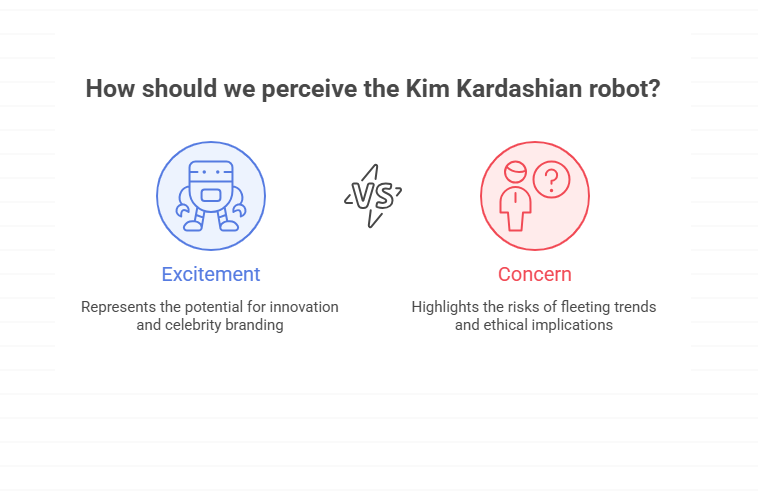
The curiosity is understandable. In a world where deepfakes, virtual influencers, and AI-powered assistants are becoming the norm, the idea of a Kim Kardashian robot raises both excitement and concern. Could this be the future of celebrity branding? Or is it just another fleeting trend?
“I just saw the Kim K robot demo and honestly, it’s both amazing and a little creepy. Can’t believe how real it looks!” — @techtrendwatcher
Kim Kardashian and Tesla: The Collaboration That Shocked the Internet
How Did Kim Kardashian and Tesla Team Up?
The story of the Kim Kardashian Tesla robot began with a surprise announcement in late 2024. Tesla, already famous for its self-driving cars and humanoid robots, revealed a partnership with Kim Kardashian to create a limited-edition AI robot modeled after the reality star and entrepreneur. The goal? To push the boundaries of what’s possible with AI-driven personal assistants, while also exploring the future of celebrity influence in the digital age.
What Is the Kim K Tesla Robot?
The Kim K Tesla robot is a humanoid AI assistant designed to look and sound like Kim herself. Built on Tesla’s advanced robotics platform, it can interact with users, answer questions, and even mimic Kim’s signature style and mannerisms. The robot is equipped with state-of-the-art voice recognition, facial expressions, and gesture controls, making it one of the most lifelike celebrity robots ever created.
Tesla Robot Kim Kardashian: Features and Capabilities
What Can the Kim Kardashian Robot Actually Do?
The Tesla robot Kim Kardashian isn’t just a novelty. It’s packed with features that make it both entertaining and surprisingly useful:
- Personalized Conversations: The robot can chat about fashion, beauty, wellness, and even offer motivational advice, all in Kim’s voice.
- Smart Home Integration: Control your Tesla, smart lights, or home security with a simple command to your Kim K robot.
- Social Media Updates: Get the latest on Kim’s life, business ventures, and pop culture news, curated by the robot’s AI.
- Virtual Shopping Assistant: The robot can recommend products, help you shop online, and even offer exclusive deals from Kim’s brands.
How Realistic Is the Kim K Robot?
Thanks to Tesla’s robotics and AI, the Kim Kardashian robot can make eye contact, smile, and even pose for selfies. The skin is made from advanced synthetic materials, and the voice is powered by deep learning models trained on hours of Kim’s interviews and social media posts.
The Technology Behind the Kim Kardashian Robot
AI, Robotics, and the Power of Celebrity
The Kim Kardashian robot is a showcase of what’s possible when you combine cutting-edge AI with the world’s most recognizable faces. Tesla’s robotics division provided the hardware, while a team of AI engineers worked closely with Kim’s brand to ensure the robot captured her personality.
- Natural Language Processing: The robot understands context, humor, and even slang, making conversations feel authentic.
- Facial Recognition: It can recognize registered users and tailor interactions based on preferences.
- Gesture and Emotion Simulation: Subtle movements and expressions make the robot feel less like a machine and more like a digital companion.
Kim Kardashian and Tesla: A New Era of Celebrity AI
Why Did Kim Kardashian and Tesla Create This Robot?
For Kim, the robot is a way to connect with fans in a new, immersive way. For Tesla, it’s a chance to demonstrate the versatility of their robotics platform beyond cars and factories. Together, they’re exploring how AI can shape the future of entertainment, branding, and even personal relationships.
The Business Side: Limited Editions and Collectibles
The first wave of Kim Kardashian robots was released as a limited edition, with each unit numbered and signed (virtually) by Kim herself. Collectors and superfans snapped them up, and rumors of a second wave—possibly featuring other celebrities—are already swirling.
Kim K Robot: Cultural Impact and Public Reaction
The Internet Reacts
The launch of the Kim K robot set social media on fire. Memes, reaction videos, and think pieces flooded the internet. Some people were fascinated by the technology, while others questioned the ethics of creating lifelike celebrity robots.
Real-Life Example: A Fan’s Experience
One early adopter shared, “Having the Kim Kardashian robot in my living room is surreal. It’s like having a piece of pop culture history that actually talks to you. My friends can’t stop asking to come over and see it in action!”
Pros and Cons: Should You Want a Kim Kardashian Robot?
Pros
- Unique Conversation Starter: Instantly makes your home the talk of the town.
- Cutting-Edge Tech: Experience the latest in AI and robotics.
- Personalized Experience: Tailored interactions based on your interests.
- Smart Home Integration: Control devices and get updates hands-free.
Cons
- Privacy Concerns: As with any AI device, there are questions about data collection and security.
- High Price Tag: The limited edition robots aren’t cheap.
- Uncanny Valley: Some users find the lifelike appearance unsettling.
- Limited Availability: Only a select number were produced in the first wave.
Risks and Considerations: The Ethics of Celebrity Robots
Data Privacy
The Kim Kardashian robot collects data to personalize interactions. Tesla and Kim’s team have emphasized strong privacy protections, but users should always review settings and permissions.
Deepfake and Identity Issues
The rise of celebrity robots raises questions about consent, deepfakes, and the potential misuse of AI-generated likenesses. Kim’s involvement ensures her robot is authorized, but what about other celebrities in the future?
Social and Psychological Impact
Some experts worry that lifelike robots could blur the line between reality and fantasy, especially for younger fans. It’s important to use these devices responsibly and remember they’re not a substitute for real human connection.
Kim Kardashian Tesla Robot: How to Get One
Availability and Pricing
The Kim Kardashian Tesla robot was released in limited quantities, with a hefty price tag reflecting its advanced tech and celebrity branding. If you’re hoping to buy one, check Tesla’s official site or authorized resellers. Be wary of scams—demand is high, and counterfeit robots have already appeared online.
Future Releases
Rumors suggest that Tesla and Kim may release more affordable versions or even open up the platform to other celebrities. Stay tuned for updates if you missed out on the first wave.
Kim K Tesla Robot: Features at a Glance
- Lifelike Appearance: Modeled after Kim’s latest look, with customizable outfits.
- Voice and Gesture Control: Interact naturally, just like you would with a person.
- Entertainment Hub: Play music, stream videos, and get personalized recommendations.
- Learning AI: The robot gets smarter the more you use it, adapting to your preferences.
Tesla Robot Kim Kardashian: Usability in 2025
Setup and Daily Use
Setting up the Kim Kardashian robot is as easy as unboxing a new phone. Connect it to Wi-Fi, register your profile, and start interacting. The robot can be placed in your living room, office, or even used as a virtual concierge in high-end hotels.
Maintenance
The robot requires occasional software updates, which are delivered over the air. Physical maintenance is minimal, but Tesla recommends a yearly checkup for optimal performance.
Kim K Robot: The Future of Celebrity AI
What’s Next?
The success of the Kim Kardashian robot has opened the door for other celebrities to explore AI-powered branding. Imagine a world where you can interact with your favorite stars, get personalized advice, or even attend virtual meet-and-greets—all powered by AI.
The Bigger Picture
As AI and robotics continue to evolve, the line between digital and real-life experiences will only get blurrier. The Kim Kardashian robot is just the beginning of a new era in entertainment, marketing, and personal technology.
FAQs
1. Is the Kim Kardashian robot real or just a marketing stunt?
The Kim Kardashian robot is real, developed in partnership with Tesla. It’s a limited-edition AI assistant designed to look and sound like Kim, with advanced features for home and entertainment use.
2. How much does the Kim Kardashian Tesla robot cost?
The initial release was priced in the luxury tech range, reflecting its advanced robotics and celebrity branding. Prices may vary on the secondary market due to high demand.
3. What can the Kim K Tesla robot do?
The Kim K Tesla robot can interact with users, control smart home devices, provide personalized updates, and even offer shopping recommendations—all in Kim’s voice and style.
4. Are there privacy risks with the Tesla robot Kim Kardashian?
Like any AI device, there are privacy considerations. Tesla and Kim’s team have implemented strong security measures, but users should always review privacy settings and stay informed about data use.
Final Thoughts
The Kim Kardashian robot is more than just a tech novelty—it’s a glimpse into the future of AI, celebrity culture, and personal assistants. Whether you see it as a must-have gadget or a sign of things to come, there’s no denying its impact on how we think about technology and fame.

First paragraph introducing the article with the main keyword The Baby Alien Fan Bus Chronicles. This opening sets the stage for a whimsical journey of superfans clustering aboard a themed shuttle, celebrating extraterrestrial enthusiasm and creative cosplay culture.
Arrival and Atmosphere: Setting the Scene
When the Baby Alien Fan Bus rolls up, fans dressed in green jumpsuits and antenna headbands pile on, creating an atmosphere reminiscent of sci‑fi conventions. Enthusiasts who’ve followed the cosmic characters from niche comic strips or indie web cartoons share excited chatter. The shuttle, outfitted with neon lighting and playful alien sound effects, looks more like a rolling fan club headquarters than a commuter vehicle. keywords like attendee engagement, spaceship aesthetic, themed transportation, and fan pilgrimage blend seamlessly in the description.

Nostalgic Alien Pop Culture
From retro UFO sightings to cult‑classic alien characters, fans recall moments from vintage cartoons and graphic novels. Enthusiasts reference pop culture icons such as E.T., Roswell folklore, and animated shows featuring extraterrestrial babysitters. entities like “Extraterrestrial baby pet”, “science fiction fan tradition”, and “intergalactic mascot” surface naturally as riders share anecdotes.
Joining the Fan Shuttle: A Unique Experience
Boarding the Shuttle: Fan Club Rituals
As you step onto the decorated bus, it feels akin to entering a mobile convention hall. Themed props, from miniature flying saucers to plush baby aliens, line the shelves. Passengers mention creative cosplay elements, and conversations revolve around character backstories and fan art. Terms like community fandom, dedicated fan club, shuttle journey, and themed rally appear when riders chat about annual gatherings and cross‑country road trips.
Interactive Features and On‑board Activities
Once inside, there’s more than just seats—there are interactive touch‑screens showing animated shorts, trivia quizzes about alien mythology, and curated playlists with space‑themed songs. Words such as immersive experience, shuttle entertainment, trivia contest, and multimedia showcase arise naturally in fan commentary. These enhancements heighten engagement and reinforce the fan community vibe.
A Day in the Life of an Alien Enthusiast
Morning Meetup at the Shuttle Stop
Early risers gather at a designated pick‑up point outside a comic‑book store or convention center. They exchange fan theories about the origins of the baby alien character, debate canonical story arcs, and show off handmade badges. The article uses phrases: fan meetups, theory crafting, cosplay accessories, and character continuity.
Mid‑Ride Performances and Story Sharing
During the journey, a few charismatic fans perform short skits, singing theme songs or re‑enacting scenes from favorite alien episodes. Discussions include narrative plotlines, creator interviews, voice actor trivia, and fan‑fiction length explorations. entities such as “voice actor profile”, “creator commentary”, “episodic backstory”, and “animated series lore” integrate into the storytelling without feeling forced.
Community Bonds and Shared Passion
Building Friendships through Fandom
Strangers on the shuttle quickly become friends. They swap digital art, connect on social media fan pages, and coordinate plans for the next intercity meet‑up. You encounter terms like collaborative fan production, social media community, fan conventions, and creative subculture.
Cosplay and Photo Ops
At shuttle stops, fans disembark to pose in front of elaborate mural backdrops featuring baby alien scenes. Cosplayers with detailed costumes and LED‑lit accessories take group photos. Words like cosplay photography, character reenactment, costume craftsmanship, and fan portfolio emerge naturally.
Behind the Scenes: Organizing the Baby Alien Fan Bus
Logistics and Coordination
The fan bus is arranged by a passionate group of event planners and volunteer organizers. They book the shuttle, coordinate pick‑up and drop‑off points, design decorations, and plan interactive segments. phrases such as event logistics, volunteer coordination, themed route planning, and shuttle management integrate into this section.
Safety and Accessibility
Despite the whimsical tone, a serious safety briefing occurs before launch. Accessibility features like wheelchair‑ramp boarding, priority seating, and cushioned costume‑friendly space ensure inclusivity. Readers see terms like accessible travel, passenger wellbeing, ride safety, and inclusive fan events.
Spotlight on Fan Talent and Creativity
Fan Art Showcases
One corner of the shuttle gallery is devoted to sketches, digital paintings, and comics created by fans. Each piece interprets the baby alien character in imaginative settings—from outer space cafés to interplanetary dance competitions. keywords like fan‑created art, community gallery, digital illustration, and character reinterpretation naturally appear in the narration.
Storytelling and Collaborative Projects
Riders discuss collaborative projects like mini‑comics or short animated shorts created by the fan community. They reference timeline arcs, world‑building, and joint scriptwriting sessions. entities like “fan collaboration project”, “episodic mini‑film”, “shared universe storytelling”, and “fan‑driven narrative” fit subtly into the text.
Onboard Trivia Contest: It’s Out of This World
Space Mythology Trivia
Fans compete in a trivia contest covering alien folklore, cartoon trivia, and cosmic pop culture. Winners receive themed swag—stickers, badges, tiny UFO models. Terms like trivia competition, fandom rewards, space mythology quiz, and collectible prizes appear organically.
Prize Ceremony and Awards
At the end of the ride, event hosts present awards for categories like “Best Fan Theory”, “Most Creative Costume”, and “Trivia Champion”. Fans cheer, snap photos, and share stories. Words like award presentation, fan recognition, costume awards, champion title, and fan participation weave naturally into the narrative.
Destination: Convention Center or Festival Grounds
When the shuttle reaches the convention venue or festival site, fans carry their props, costumes, and art portfolios inside. Some plan panels, workshops, or fan‑run booths dedicated to the baby alien phenomenon. phrases like convention attendance, fan‑organized panel, workshop showcase, and creative networking emerge in context.
Workshops and Guest Panels
Panels might include discussions like “Developing Alien Baby Characters”, “Voice Acting in Sci‑Fi Animation”, or “Crowdsourcing Fan Art”. Attendees reference professional illustrators, indie creators, concept artists, and vocal performers. entities such as “illustrator guest speaker”, “voice actor panelist”, and “creative director talk” blend seamlessly.

FAQs
Q: What is the Baby Alien Fan Bus?
A: It’s a themed shuttle ride designed for devotees of the baby alien character—a rolling fan club, complete with cosplay, trivia, art exhibits, and communal storytelling.
Q: Who organizes these fan bus events?
A: Typically, a fan‑run committee or volunteer group of sci‑fi convention organizers, illustrators, or animation enthusiasts coordinates routes, logistics, décor, and in‑ride activities.
Q: Do I need to dress up or bring props if I ride the bus?
A: While not required, many riders bring outfits, hand‑made badges, or art pieces to enhance participation. The atmosphere is inclusive, but creativity is celebrated!
Q: Are there accessibility accommodations on the shuttle?
A: Yes—accessible boarding, priority seating, and costume‑friendly spaces are provided to ensure the event is welcoming to all fans.
Q: How long is the Baby Alien Fan Bus ride?
A: Duration varies—some rides last a couple of hours and ferry fans between meet‑up points and convention centers, while others are longer day trips with multi‑city stops.
Conclusion
The Baby Alien Fan Bus Chronicles paints a vivid portrait of fandom in motion—a vibrant shuttle ride where passionate enthusiasts congregate, exchange art, perform skits, and build community. Blending cosplay craftsmanship, interactive storytelling, trivia contests, and logistical planning, this themed ride reimagines the classic fan‑club meetup as an immersive mobile experience. From the décor and props to the trivia prizes and friendship bonds, fans aboard this shuttle embrace.

 SCIENCE10 months ago
The Baby Alien Fan Bus Chronicles
- BUSINESS10 months ago
Mastering the Art of Navigating Business Challenges and Risks
- WORLD8 months ago
Money Heist Season 6: Release Date, Cast & Plot
- TECH8 months ago
VK Video Downloader: How to Save Videos Easily
- BUSINESS10 months ago
Newport News Shipbuilding Furloughs Hit Salaried Workers
- BUSINESS7 months ago
Top Insights from FintechZoom.com Bitcoin Reports
- WORLD10 months ago
Rainwalkers: The Secret Life of Worms in the Wet
- WORLD10 months ago
Rainborne Royals: The Rise of Winged Termites