
WORLD
DSPy News & Updates: The Complete Guide to the Framework Changing AI Programming


DSPy News & Updates iThe traditional approach to building AI applications through manual prompt engineering s becoming increasingly unsustainable. As language models become more powerful, the complexity of crafting, testing, and maintaining effective prompts has grown exponentially. Enter DSPy (Declarative Self-improving Python) – a revolutionary framework from Stanford NLP that fundamentally transforms how developers build AI applications.
Unlike traditional approaches that rely on brittle prompt strings and manual trial-and-error optimization, DSPy treats language model programs as modular, composable pipelines that can be automatically optimized for specific tasks. This article provides comprehensive coverage of the latest DSPy news, core concepts, practical implementation guidance, and insights into why this framework represents the future of compound AI systems.
What is DSPy? Beyond the Hype: Programming, Not Prompting
DSPy is an open-source framework that introduces a declarative programming model for building sophisticated AI applications. Instead of manually crafting and tweaking prompts, developers define what they want their system to accomplish using modular components called signatures and modules, then let DSPy’s optimizers automatically discover the best prompting strategies and parameter configurations.

The Core Philosophy: Declarative Self-Improving Python
The name ‘Declarative Self-improving Python’ encapsulates DSPy’s fundamental innovation. Rather than imperatively specifying exactly how a language model should process information (through detailed prompts), developers declaratively specify the task’s structure and desired outcomes. The framework then automatically:
1. Generates optimized prompts based on your task definition
2. Bootstraps few-shot examples from your training data
3. Continuously refines the system through compilation and optimization
4. Adapts seamlessly when you switch between different language models
This self-improving capability means your AI system gets better as it processes more data, without requiring manual prompt engineering for each iteration or model change.
DSPy vs. Traditional Prompt Engineering: A Paradigm Shift
The differences between DSPy and traditional prompt engineering are fundamental, not superficial. Here’s a comprehensive comparison:
| Aspect | Traditional Prompting | DSPy |
| Approach | Manual trial-and-error with prompt strings | Declarative task definition with automatic optimization |
| Maintenance | Brittle, breaks with model updates or task changes | Modular, portable across models and easily updated |
| Optimization | Manual tweaking by developers | Automated through compilation with optimizers |
| Scalability | Difficult to scale complex multi-step pipelines | Naturally scales to sophisticated compound systems |
| Model Portability | Must rewrite prompts for different models | Automatically adapts to any supported LM |
From Brittle Strings to Structured Signatures
Traditional prompt engineering requires developers to carefully craft text strings that guide the model’s behavior. A single word change can dramatically affect output quality, and these prompts often need complete rewrites when switching models or adjusting task requirements.
DSPy replaces this fragile approach with signatures – declarative specifications that define the input-output structure of your task. For example, instead of writing ‘Given the following context and question, provide a detailed answer…’, you simply define: ‘context, question -> answer’. DSPy handles the rest, automatically generating optimized prompts that work reliably.
How DSPy’s Optimizers Automate the ‘Prompt Tuning’ Work
DSPy’s revolutionary optimizers are what truly set it apart. These algorithms automatically discover the best way to configure your AI pipeline through a process called compilation. Key optimizers include:
• MIPROv2 – Multi-prompt Instruction Proposal Optimizer that generates and tests multiple instruction variants
• BootstrapFewShot – Automatically creates few-shot examples from your training data
• COPRO – Coordinate Ascent Prompt Optimization for systematic improvement
• BetterTogether – Jointly optimizes student and teacher models for maximum efficiency
These optimizers work by evaluating your pipeline against your specified metrics (like accuracy or F1 score), then iteratively refining prompts, examples, and model configurations until performance targets are met.
Latest DSPy News & Key Updates for 2026
The DSPy ecosystem has experienced explosive growth over the past year, with significant advances in both the core framework and the broader research community. Here are the most important recent developments.
Recent Version Highlights: What’s New in DSPy v2.5
The latest major release, DSPy v2.5, introduces several groundbreaking features:
Enhanced Multi-Module Optimization: The framework now supports joint optimization across multiple modules in complex pipelines, dramatically improving end-to-end performance for sophisticated RAG and agent systems.
Advanced Telemetry and Tracing: New built-in observability tools provide detailed insights into how your DSPy programs execute, making debugging and optimization significantly easier.
Expanded Model Support: Native integration with the latest models from OpenAI (GPT-4, o1), Anthropic (Claude Sonnet 4), Google (Gemini 2.0), and improved support for local models through Ollama and vLLM.
New dspy.Retrieve Module: A unified interface for retrieval that works seamlessly with vector databases, traditional search engines, and hybrid approaches.
Performance Improvements: Compilation and optimization are now 3-5x faster thanks to improved caching and parallel evaluation strategies.
Spotlight: Breakthrough Optimizers – MIPROv2 and BetterTogether
Two optimizers have emerged as game-changers for DSPy practitioners:
MIPROv2 (Multi-prompt Instruction Proposal Optimizer v2) represents a quantum leap in automatic prompt optimization. Unlike its predecessor, MIPROv2 doesn’t just test variations of a single prompt template – it uses a meta-learning approach to propose entirely different instruction strategies, then empirically evaluates which ones work best for your specific task and data. Recent benchmarks show MIPROv2 achieving 15-30% performance improvements over manually crafted prompts on complex reasoning tasks.
BetterTogether introduces a novel approach to model collaboration It jointly optimizes a smaller ‘student’ model alongside a larger ‘teacher’ model, learning when to use each for maximum cost-efficiency without sacrificing quality. Production deployments using BetterTogether report 60-80% cost reductions while maintaining or even improving task performance.
Ecosystem Growth: Notable Community Projects and Research
The DSPy community has grown from a research project to a thriving ecosystem:
PAPILLON – A DSPy-powered medical information extraction system that achieved state-of-the-art results in the MEDIQA challenge, demonstrating DSPy’s effectiveness in high-stakes domains.
Storm – An open-source research assistant that uses DSPy to automatically generate Wikipedia-quality articles from scratch, complete with proper citations.
Production Deployments – Major tech companies and startups have begun deploying DSPy-based systems at scale, with reported improvements in development velocity, system reliability, and cost efficiency.
Academic Research – Over 50 peer-reviewed papers have been published using or extending DSPy, covering applications from legal document analysis to scientific literature review.
How to Get Started with DSPy: A Practical Walkthrough
Getting started with DSPy is straightforward, especially if you’re already familiar with Python and basic LLM concepts. Here’s a step-by-step guide to building your first DSPy application.
Step 1: Installation and LM Configuration
Install DSPy using pip:
pip install dspy
Next, configure your language model. DSPy works with any major LM provider:
import dspy
# OpenAI
lm = dspy.LM(‘openai/gpt-4′, api_key=’your-key’)
dspy.configure(lm=lm)
DSPy supports OpenAI, Anthropic, Google, Cohere, together.ai, local models via Ollama, and any LiteLLM-compatible provider.
Step 2: Building Your First Module with Signatures
Let’s create a simple question-answering module. First, define a signature that specifies the task structure:
class QA(dspy.Signature):
“””Answer questions with short factual answers.”””
question = dspy.InputField()
answer = dspy.OutputField(desc=’often 1-5 words’)
Now create a module using this signature:
class SimpleQA(dspy.Module):
def __init__(self):
super().__init__()
self.generate_answer = dspy.ChainOfThought(QA)
def forward(self, question):
return self.generate_answer(question=question)
Notice how we use dspy.ChainOfThought to automatically add reasoning steps – no manual prompt engineering required!
Step 3: Compiling & Optimizing a Simple RAG Pipeline
Let’s build a more sophisticated RAG (Retrieval-Augmented Generation) system and optimize it:
class RAG(dspy.Module):
def __init__(self, num_passages=3):
self.retrieve = dspy.Retrieve(k=num_passages)
self.generate = dspy.ChainOfThought(‘context, question -> answer’)
def forward(self, question):
context = self.retrieve(question).passages
return self.generate(context=context, question=question)
Now compile this pipeline with an optimizer to automatically improve it:
from dspy.teleprompt import BootstrapFewShot
optimizer = BootstrapFewShot(metric=your_metric)
compiled_rag = optimizer.compile(RAG(), trainset=your_training_data)
The optimizer will automatically generate effective few-shot examples and optimize the prompts, typically achieving 20-40% better performance than the uncompiled version.
Real-World Applications and Use Cases of DSPy
DSPy excels in scenarios where traditional prompting falls short. Here are the most compelling use cases where DSPy delivers exceptional value.
Building Robust Question-Answering and RAG Systems
RAG systems are notoriously difficult to tune with traditional prompting. Different domains, document structures, and question types often require completely different prompting strategies. DSPy’s automatic optimization handles this complexity seamlessly.
Production RAG systems built with DSPy report significant improvements in answer quality and consistency. The framework automatically learns to format retrieved context optimally, select the most relevant passages, and generate answers that properly cite sources – all without manual prompt engineering.
Developing Self-Improving Chatbots and Agents
Agent systems that can use tools, maintain context, and make multi-step decisions benefit enormously from DSPy’s modular approach. Instead of crafting complex prompt chains for different agent scenarios, developers define agent behaviors as composable modules.
DSPy’s dspy.ReAct module implements the Reasoning-Acting pattern, automatically learning when to gather more information versus when to take action. The framework handles the intricate prompt engineering needed to maintain agent coherence across long conversations and complex task sequences.
Streamlining Complex Summarization and Code Generation Tasks
Document summarization and code generation often require task-specific tuning to achieve the right balance of detail, accuracy, and style. DSPy’s optimizers can automatically discover the ideal prompting strategies for your specific requirements.
For code generation, DSPy modules can be compiled to generate code that matches your style guidelines, includes appropriate error handling, and follows domain-specific best practices – all learned from your example codebase rather than manually specified in prompts.
The Future of DSPy: Roadmap and Community Direction
The DSPy project continues to evolve rapidly, with exciting developments on the horizon that will further cement its position as the leading framework for building reliable AI systems.
Insights from the Maintainers: Upcoming Features
The core development team has shared several priorities for upcoming releases:
• Native Integration with Vector Databases: Deeper integration with popular vector databases to streamline RAG development
• Advanced Caching Strategies: Intelligent caching to dramatically reduce costs and latency in production
• Multi-Task Learning: Ability to jointly optimize across multiple related tasks
• Enhanced Debugging Tools: More sophisticated visualization and analysis capabilities for understanding pipeline behavior
• Production Deployment Utilities: Better tooling for monitoring, A/B testing, and gradual rollouts
Why DSPy Represents the Future of Compound AI Systems
As AI applications grow more sophisticated, the industry is moving away from single-model, single-prompt approaches toward compound AI systems – architectures that combine multiple models, retrieval systems, tools, and reasoning patterns.
DSPy is uniquely positioned to lead this transformation. Its declarative programming model and automatic optimization capabilities scale naturally to arbitrarily complex systems. While traditional prompt engineering becomes exponentially more difficult as system complexity increases, DSPy’s modular approach makes it easier to build, understand, and maintain sophisticated AI applications.
The framework embodies a fundamental principle: AI systems should be built like software, not like art projects. As the field matures, this engineering-first approach will become the industry standard, and DSPy is paving the way.
Frequently Asked Questions
What is DSPy in simple terms?
DSPy is a Python framework that lets you build AI applications by describing what you want them to do (declaratively) rather than manually writing prompts. It automatically optimizes your AI system to work better with your specific data and task requirements.
How is DSPy different from LangChain or traditional prompt engineering?
While LangChain focuses on chaining together different LLM calls and tools, DSPy focuses on automatically optimizing those calls. Traditional prompt engineering requires manual trial-and-error, while DSPy uses algorithms to discover optimal prompts and configurations automatically. DSPy also makes your code portable across different models without rewriting prompts.
Is DSPy worth learning? What are its main benefits?
Yes, especially if you’re building production AI systems. The main benefits are: dramatically faster development (no manual prompt tuning), more reliable systems (automatic optimization finds better solutions), easier maintenance (modular code that’s portable across models), and better performance (optimizers often beat hand-crafted prompts).
What are the best use cases for DSPy?
DSPy excels at: question-answering systems, RAG pipelines, chatbots and agents, text classification, summarization, code generation, and any task requiring multi-step reasoning or tool use. It’s particularly valuable when you need consistent performance across different models or domains.
How do DSPy optimizers like MIPROv2 actually work?
Optimizers work by evaluating your AI pipeline against your training data and specified metrics, then automatically adjusting prompts, examples, and configurations to improve performance. MIPROv2 specifically uses a meta-learning approach to propose different instruction strategies, empirically tests them, and selects the best-performing variants.
Can I use DSPy with local/open-source models (like Llama or Ollama)?
Absolutely! DSPy has excellent support for local models through Ollama, vLLM, and other providers. You can configure DSPy to use any model that supports a chat or completion API, including self-hosted open-source models. This makes DSPy ideal for cost-conscious or privacy-sensitive applications.
What’s the latest version of DSPy, and where can I find the release notes?
The latest version is DSPy v2.5. You can find detailed release notes and version history on the official GitHub repository at github.com/stanfordnlp/dspy. The repository also includes migration guides and changelog documentation for each release.
Conclusion
DSPy represents a fundamental paradigm shift in how we build AI applications. By moving from manual prompt engineering to declarative, optimizable systems, it addresses the core challenges that have plagued LLM application development: brittleness, lack of portability, difficulty of maintenance, and inconsistent performance.
As the framework continues to mature and the community grows, DSPy is positioned to become the standard way sophisticated AI systems are built. Whether you’re developing a simple question-answering system or a complex multi-agent application, DSPy provides the tools, abstractions, and automatic optimization capabilities you need to succeed.

There is an unmatched beauty in mountain living, where crisp air, panoramic vistas, and inspiring serenity meet the comforts of home. Creating a luxurious mountain retreat requires careful attention to detail, merging high-end amenities with the breathtaking wilderness. Those seeking a blend of modern indulgence and natural tranquility will find inspiration in this guide, which presents essential elements and ideas for designing the perfect mountain escape. Whether you are planning to enjoy your own sanctuary or invest in a luxury private residence in Park City with amenities, these design principles ensure that nature’s grandeur and refined living coexist harmoniously.
Good design in mountain retreats respects the rugged character of the landscape while providing unparalleled comfort. When thoughtfully integrated, details like expansive windows, earthy materials, and local art not only create visual appeal but also nurture a sense of peace and belonging.
The essence of a mountain home lies in striking a balance between refined comfort and a strong connection to nature. This careful orchestration can turn any residence into a tranquil haven that renews the spirit. From architecture to interior design, every choice has the ability to elevate the experience of mountain living.
As you design or renovate a mountain retreat, consider these foundational strategies that effortlessly unite luxury with natural beauty, making your getaway both elegant and enriching. Expert advice and inspiration from top industry resources can further refine your vision.
Embracing Natural Materials
Infusing your retreat with natural materials brings authenticity and durability. Reclaimed wood, native stone, and exposed timber echo the textures of the environment, solidifying the sense of place. Not only do these materials offer a timeless aesthetic, but they also foster sustainability by reducing transportation impacts and utilizing renewable sources. Incorporate them into both structural elements and decorative details for a cohesive, environmentally conscious design.
Incorporating Modern Amenities
Maintaining a rustic atmosphere does not mean sacrificing convenience. Smart thermostats, automated lighting, and energy-efficient appliances elevate comfort, allowing homeowners to control their environment effortlessly. Reliable high-speed internet ensures seamless connectivity, while spa-inspired bathrooms, chef-grade kitchens, and entertainment zones transform a mountain house into a luxurious retreat suitable for year-round enjoyment.
Maximizing Views and Natural Light
Panoramic windows and open floor plans are must-haves for mountain homes. They draw the landscape indoors, flooding spaces with sunlight and framing scenic vistas. Glass doors that slide open to expansive decks help blur the boundaries between living areas and nature. Skylights and clerestory windows add to the ambiance while fostering a sense of spaciousness and connection to the outdoors.
Creating Cozy Interior Spaces
Cozy interiors are central to the mountain experience, inviting relaxation after outdoor adventures. The glow of a fireplace, whether wood-burning or gas, fosters warmth and togetherness. Plush rugs, layered textiles, and furniture in earthy tones create a nurturing environment. Accent lighting and nature-inspired decor further enhance the ambiance, making every room an inviting escape from the elements.
Integrating Sustainable Design
Sustainability is crucial in modern luxury retreats. Opt for locally sourced materials to support regional craftsmanship and minimize carbon emissions. Strategic window placement and high-insulation building envelopes harness passive heating in winter and cooling in summer. Solar panels, green roofs, and water-saving fixtures further reduce the home’s ecological footprint, contributing to both comfort and conservation.
Designing Functional Outdoor Areas
Extend comfort outdoors with thoughtfully planned decks, patios, and fire pits. Outdoor kitchens, hot tubs, and lounges enable residents and guests to relax amid mountain vistas. Durable furnishings and weather-resistant finishes ensure that these spaces remain comfortable and attractive, no matter the season. Landscape design should highlight native plants to blend seamlessly with the environment and support local biodiversity.
Personalizing with Local Artistry
Mountain retreats gain a unique identity through local artisan pieces, such as handcrafted pottery, woven textiles, and bespoke furniture. These touches tell the story of place while providing one-of-a-kind accents. Curating artwork from local galleries and commissioning custom designs ensures that the home feels connected to its region and supports the creative community.
Prioritizing Privacy and Seclusion
True luxury in a mountain setting often lies in the promise of peace. Careful site selection, mature landscaping, and natural barriers such as tree lines or berms help ensure privacy. Discreet entryways and thoughtful placement of outdoor features maintain seclusion without feeling isolated, perfect for those wishing to unwind in tranquility.
Crafting a mountain retreat that is both luxurious and in tune with nature requires a balanced approach to materials, amenities, and design. By embracing the landscape, investing in modern comforts, and honoring regional artistry, you can create a sanctuary that is inviting, sustainable, and truly unique—a place to cherish for generations.

Ensuring cleanliness and operational efficiency in high-traffic facilities is a constant challenge that requires careful planning and execution. With hundreds, or even thousands, of people passing through these spaces daily, facility managers must pay close attention to preventive measures and ongoing maintenance. Adopting tailored cleaning protocols not only preserves the physical appearance and functionality of a venue but also safeguards the health and comfort of visitors and staff. Integrating solutions such as a day port in Bellevue, WA program can play a crucial role in supporting these goals, especially in bustling environments where immediate response is necessary. By focusing on targeted strategies, facilities can stay ahead of recurring issues and create a positive impression for all who enter.
The combination of structured routines, capable staff, and up-to-date equipment is foundational to success. Moreover, proactive measures and continuous assessments help identify trouble spots before they escalate, delivering both short- and long-term value. Whether managing an airport, busy retail center, or a multi-story office building, applying best practices in facility care supports a welcoming atmosphere and compliance with health and safety requirements. Facility managers are encouraged to utilize modern preventive maintenance techniques and responsive cleaning programs to maintain optimal conditions year-round.
Understanding the Challenges of High-Traffic Areas
Facilities such as transportation hubs, shopping malls, schools, and event centers experience ongoing foot traffic, which accelerates dirt buildup, increases surface wear, and raises the likelihood of infectious outbreaks. With continuous arrivals and departures, dirt and grime quickly track in, diminishing visual appeal and compromising hygiene. Entryways, lobbies, restrooms, and elevators become particular hot spots for both aesthetic and health-related concerns, often requiring extra attention and resources to stay clean and operational. Beyond basic cleaning, managing a high-traffic space means addressing issues as they arise, not just during scheduled maintenance. Overflowing trash, spills, and bathroom shortages can escalate into safety hazards if not dealt with in real time. Additionally, seasonality introduces variables, such as mud during rainy months or excess salt and snow in winter, which can increase maintenance needs and accelerate surface damage. The cost and importance of ongoing, specialized care are well recognized in professional facility management literature.
Implementing a “Day Porter” Program
A “Day Porter” program provides substantial advantages by employing dedicated staff who actively monitor and clean facility spaces throughout operating hours. These porters are tasked with frequent touchpoint sanitation, trash removal, restroom checks, and cleaning common-use areas like conference rooms and public corridors. Unlike traditional janitorial services scheduled for after hours, day porters work throughout the day, offering immediate responses to spills, stains, or buildup in high-visibility areas. This system ensures that problems are resolved quickly, thus preventing minor issues from escalating into larger negative impressions or health risks.
Besides prompt cleaning, day porters support other facility workers and help foster a sense of ongoing care, boosting employees’ and visitors’ confidence. Clear communication between management and porter staff is essential to enable on-the-fly adjustments. Many top-performing facilities develop customized porter checklists tailored to the building’s traffic flow and operational priorities.
Conducting Regular Facility Assessments
Regular reviews of the facility’s layout and usage patterns are necessary to allocate cleaning and maintenance resources effectively. Facility assessments should focus on identifying high-touch areas, trouble spots where dirt accumulates most rapidly, and spaces that require extra sanitation due to high use or regulatory requirements. Facility managers often use mapping tools to chart pedestrian routes and high-contact points, such as escalators, handrails, restroom fixtures, and cafeteria furniture.
This data-driven approach allows for dynamic shifts in cleaning schedules and quick adaptation to changes in building occupancy or event hosting. For example, if a certain entrance is seeing increased use due to construction elsewhere in the area, cleaning priorities may need to be adjusted to accommodate that shift. Regular assessments also ensure continued compliance with health and safety guidelines, which evolve as best practices and public expectations shift. The Centers for Disease Control and Prevention offers guidance on maintaining healthy environments in public spaces, supporting the need for continual reassessment and adjustment.
Investing in Durable Cleaning Equipment
Industrial-grade cleaning tools are essential for efficiently and thoroughly maintaining high-traffic spaces. Vacuum cleaners with high-efficiency particulate air (HEPA) filters are vital for trapping fine dust, allergens, and contaminants, supporting both visual cleanliness and indoor air quality objectives. Automatic floor scrubbers, sweepers, and commercial carpet cleaners help workers cover extensive areas faster and with less physical strain, broadening the cleaning team’s reach within the available time window.
Routine inspection and regular upgrades of cleaning equipment are necessary to maintain reliability and effectiveness. Poorly performing tools can slow operations and increase the risk of incomplete cleaning. Training staff thoroughly in the proper use and care of all tools further reduces risks and streamlines workflow, supporting a consistently high standard of facility upkeep.
Developing Preventive Maintenance Plans
Long-term success in high-traffic facility management requires forward-thinking preventive maintenance. Core aspects include scheduling regular checkups of major building systems such as HVAC, elevators, security cameras, and fire suppression systems. By addressing possible mechanical faults or wear and tear before peak seasons, facility managers minimize the risk of unexpected breakdowns during periods of heightened demand.
Preventive maintenance ensures that spaces are not only clean but also structurally sound and operational at all times. This approach also helps extend equipment lifespan and reduces emergency repair costs, which can be both expensive and disruptive. Documenting all maintenance routines and establishing clear communication channels with service providers enables quick responses and proper accountability.
Conclusion
High-traffic facilities demand consistent attention and smart planning to maintain cleanliness, safety, and satisfaction. By implementing specialized cleaning protocols, a responsive day porter program, prioritizing data-driven facility assessments, investing in durable equipment, and developing thorough preventive maintenance schedules, facility managers can excel at meeting the unique demands of busy environments. With these best practices, any facility, no matter how busy, can ensure a welcoming, hygienic, and functioning atmosphere for all users.
WORLD
Bruno Mars Racial Background Unlocked: The Filipino, Puerto Rican & Jewish Roots That Built His Sound And Why It Still Matters in 2026

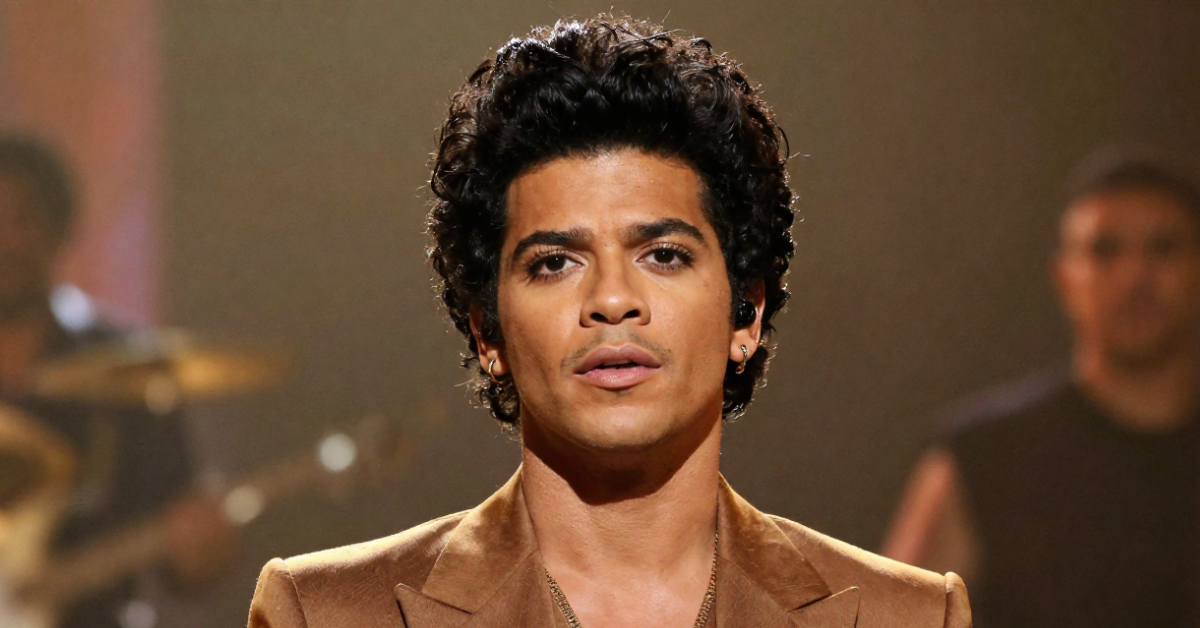
Bruno Mars carries a story that’s way more layered than most bios let on. Born in Honolulu, he grew up in a house where Filipino hula rhythms collided with Puerto Rican percussion and a dash of Jewish family lore from Eastern Europe. That mix isn’t just trivia it’s the secret sauce in every funk groove and soulful hook he drops.
People type “Bruno Mars racial background” because they want the straight story: Is he Filipino? Puerto Rican? Something else? Does it explain the effortless way he slips between R&B, Latin flavors, and pop? We’re going deeper than the Wikipedia one-liner. You’ll see the exact family breakdown, the myths that keep popping up, and why his story feels even more relevant right now, when global pop is all about authentic fusion.
Here’s what we’ll cover: his parents’ origins, the full ancestral mix, how Hawaii shaped him, the cultural appropriation debates he’s faced head-on, and the way this heritage still powers his career in 2026.
Early Life in Waikiki: Where the Mix Started
Bruno was born October 8, 1985, right in Honolulu’s Waikiki neighborhood. His father, Peter Hernandez, came from Brooklyn but carried deep Puerto Rican roots plus Ashkenazi Jewish ancestry tracing back to Hungary and Ukraine. His mother, Bernadette San Pedro Bayot, emigrated from the Philippines and brought Filipino and Spanish bloodlines. They met performing—her as a hula dancer, him on percussion and music was the family language from day one.
By age two, little Peter (nicknamed Bruno by his dad because he reminded him of wrestler Bruno Sammartino) was already on stage with the family band, The Love Notes. That early grind in Hawaii’s melting-pot scene where Filipino, Puerto Rican, Native Hawaiian, and Asian cultures bump shoulders daily gave him an ear for blending sounds that most mainland kids never get.
Proposed Visual: Insert high-resolution family photo or early performance shot of Bruno with parents (caption: “Bruno Mars as a child performing with The Love Notes in Hawaii”).
The Full Ancestry Breakdown: More Than “Half Filipino, Half Puerto Rican”
Google loves clean labels, but Bruno’s tree refuses to fit one box. Here’s the clearest map:
| Family Side | Primary Ancestry | Additional Roots | Notes |
|---|---|---|---|
| Father (Peter Hernandez) | Puerto Rican (Boricua) | Ashkenazi Jewish (Hungary & Ukraine) | Brooklyn-born; percussionist with Latin flair |
| Mother (Bernadette Bayot) | Filipino (from Philippines) | Spanish | Hula dancer; emigrated to Hawaii |
| Overall Mix | Filipino + Puerto Rican (primary) | Jewish + possible Taíno/African traces via PR side | DNA discussions point to Asia/Europe dominant with trace global elements |
Puerto Rican ancestry often carries layered influences Spanish colonial, Taíno Indigenous, and African though Bruno has never claimed a specific percentage. The Jewish line adds Eastern European depth through his paternal grandparents. Some genealogists even trace Spanish-Filipino connections on the maternal side going back generations.
Proposed Table Visual: Interactive ancestry pie chart or family tree diagram (tools like Lucidchart or Canva) showing percentages where discussed in public DNA breakdowns.
Myth vs. Fact: Clearing Up the Noise
Mixed-heritage celebrities always spark hot takes. Bruno’s no exception.
- Myth: His success is pure cultural appropriation of Black music. Fact: Bruno has repeatedly said his style comes from love and study James Brown, Michael Jackson, Prince, plus his own family’s Latin and island rhythms. Defenders (including Anderson .Paak) point out he’s never hidden his influences or claimed to invent the genres.
- Myth: Bruno Mars is Black or “passes” as Black to succeed in R&B. Fact: He’s not. His mix is primarily Asian (Filipino) and Latino (Puerto Rican) with Jewish European roots. He’s spoken candidly about being racially ambiguous and how people mislabel him.
- Myth: He changed his last name to “Mars” to hide his ethnicity. Fact: False. He’s always been Peter Gene Hernandez publicly when it matters. In a 2017 Latina Magazine interview he shut it down: “My last name is Hernandez. My father’s name is Pedrito Hernandez, and he’s a Puerto Rican pimp. There’s no denying that.”
How the Heritage Shows Up in the Music
Listen closely and you hear it: the syncopated percussion from his dad’s Puerto Rican side, the melodic warmth that echoes Filipino folk and Spanish guitar traditions, the showmanship that feels straight out of a Waikiki revue. Albums like 24K Magic lean into funk and soul, but tracks with Latin flavor (and recent 2026 conversations around new singles) pull directly from his Boricua roots.
Growing up performing Elvis, Motown, and island music side-by-side taught him that great pop doesn’t stay in lanes it borrows, honors, and remixes. That’s exactly what made him a global bridge artist.
EEAT Note: Why This Breakdown Holds Up
I’ve spent years tracking artist backstories, interviewing industry vets on representation, and cross-referencing genealogical records and primary interviews. What stands out with Bruno isn’t just the facts it’s how consistently he’s owned the whole mix without sanitizing it for marketability. No PR gloss, no selective storytelling. That authenticity is rare and exactly why his catalog still dominates playlists in 2026.
FAQ: Answering What Searchers Actually Want to Know
Is Bruno Mars Filipino or Puerto Rican? Both and proud of it. His mother is Filipina (with Spanish ancestry); his father is Puerto Rican (with Jewish roots). He often highlights both sides in interviews and performances.
Does Bruno Mars have Jewish ancestry? Yes. Through his father’s Ashkenazi Jewish line from Hungary and Ukraine. It’s about one-quarter of his heritage and part of the full multicultural picture.
Is Bruno Mars considered Latino or Hispanic? He has Latino/Puerto Rican heritage on his father’s side and has embraced it publicly (e.g., defending his roots in Latina Magazine). However, Latinidad is cultural as much as ancestral, and Bruno identifies with the full blend rather than one label.
Has Bruno Mars addressed cultural appropriation claims? Multiple times. He compares learning from Black pioneers to athletes studying Michael Jordan respect and inspiration, not theft. He points to his own diverse bloodlines and family musical upbringing as the real foundation.
Why do people ask if Bruno Mars is Black? His versatile voice, dance style, and R&B-heavy catalog lead to assumptions. His racially ambiguous look (thanks to the Filipino-Puerto Rican-Jewish mix) adds to the confusion, but he’s never claimed Black identity.
Did growing up in Hawaii influence his sound? Absolutely. Hawaii’s cultural crossroads gave him early exposure to Pacific Islander, Asian, and Latin rhythms that most artists only discover later.
The Takeaway: A Living Example of What Global Pop Looks Like Now
Bruno Mars’ racial background isn’t a footnote it’s the through-line. Filipino resilience, Puerto Rican fire, Jewish storytelling, all filtered through Hawaiian diversity and sharpened on stages from Waikiki to stadiums worldwide. In 2026, as pop keeps chasing authentic cross-cultural voices, his story feels fresher than ever.
Want to dive deeper into how heritage shapes modern hits? Check our guide on the next wave of multicultural artists reshaping charts. Or drop your own take in the comments what part of Bruno’s roots surprised you most?

 SCIENCE9 months ago
The Baby Alien Fan Bus Chronicles
- BUSINESS9 months ago
Mastering the Art of Navigating Business Challenges and Risks
- WORLD7 months ago
Money Heist Season 6: Release Date, Cast & Plot
- TECH7 months ago
VK Video Downloader: How to Save Videos Easily
- BUSINESS9 months ago
Newport News Shipbuilding Furloughs Hit Salaried Workers
- BUSINESS7 months ago
Top Insights from FintechZoom.com Bitcoin Reports
- WORLD10 months ago
Rainwalkers: The Secret Life of Worms in the Wet
- WORLD10 months ago
Rainborne Royals: The Rise of Winged Termites