
WORLD
What Is Rose Gold and Why Is It Popular in Jewelry Today?

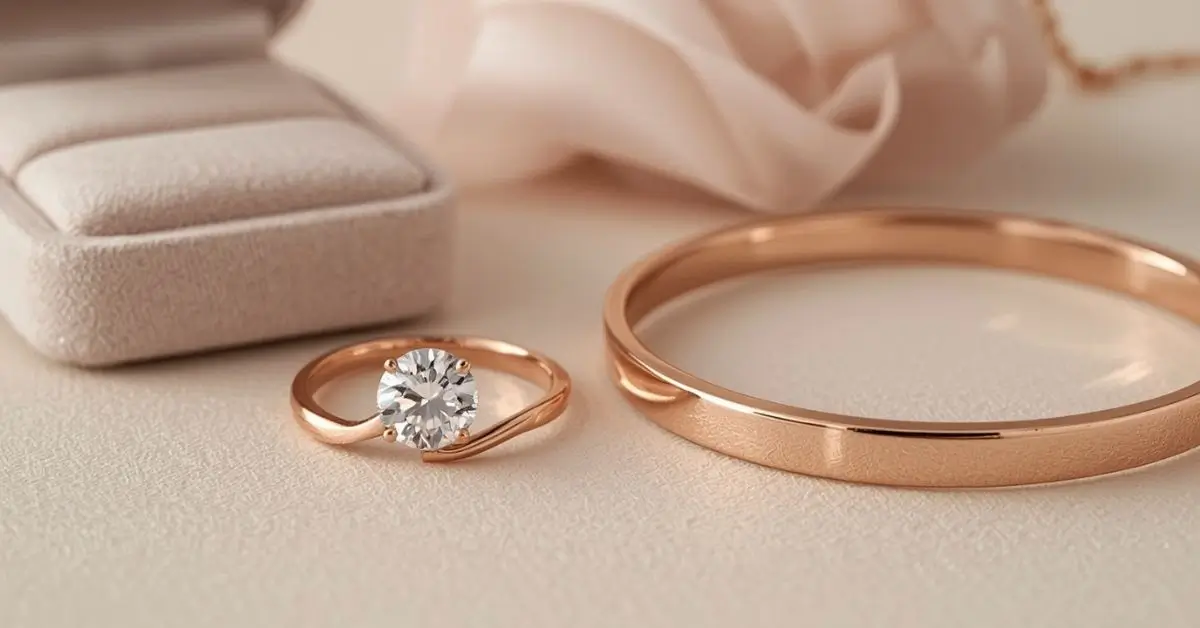
If you’ve ever admired the soft, romantic glow of rose gold, you’re not alone. From rose gold engagement rings to luxury watches, this unique metal alloy has captivated fashion enthusiasts, jewelry shoppers, and stylists around the world. But many buyers still wonder: what is rose gold, and why is it so popular in modern jewelry design?
This guide explores its history, composition, durability, and meaning so you can make confident choices when buying or styling rose gold jewelry.
What Is Rose Gold?
At its core, rose gold is real gold, blended with copper (and sometimes silver) to achieve its pink hue. The proportion of these metals determines the exact shade of rose gold—ranging from pale blush (with more silver) to deep reddish tones (with more copper).
- Gold content provides value and durability.
- Copper content creates the rosy-pink tone.
- Silver or zinc may soften the redness.
This mix makes rose gold both precious and practical for everyday wear.
Rose Gold Metal Composition Explained
The most common karats of rose gold include:
| Karat | Gold % | Copper % | Appearance |
|---|---|---|---|
| 18K | 75% | 22.5% | Softer pink, luxurious, fine jewelry standard |
| 14K | 58.5% | 41.5% | Stronger, affordable, popular for rings & bands |
| 10K | 41.7% | 58.3% | Very durable, deeper red tone, budget-friendly |
Expert note: According to the Gemological Institute of America (GIA), alloys like copper are essential in strengthening gold for jewelry use since pure gold (24K) is too soft.
Is Rose Gold Real or Fake?
Yes—rose gold is real gold. It’s not imitation or costume metal, but rather a high-quality alloy. The value depends on its karat content.
- Higher karats = more gold, softer pink tone.
- Lower karats = more copper, stronger durability, richer red.
A Brief History of Rose Gold in Jewelry Design
- 19th century Russia – Known as “Russian gold,” it gained popularity in Fabergé’s designs.
- 1920s Art Deco era – Rose gold appeared in watches and decorative jewelry.
- 21st century revival – A trend driven by luxury brands and social media aesthetics.
Expert insight: Tiffany & Co. highlights rose gold’s timeless appeal, noting its resurgence among younger generations for engagement rings and everyday jewelry.
Why Is Rose Gold Popular Today?
Rose gold’s appeal comes from both its look and symbolism:
- Aesthetic versatility – Complements warm and cool skin tones.
- Symbolism – Represents love, romance, and elegance.
- Fashion relevance – Fits minimalist and luxury trends alike.
Expert source: Vogue calls rose gold “the modern romantic’s choice,” linking it to millennials’ and Gen Z’s preference for unique, meaningful jewelry.
Rose Gold vs Yellow Gold vs White Gold
When comparing gold types, each has unique advantages:
| Feature | Rose Gold | Yellow Gold | White Gold |
|---|---|---|---|
| Durability | Strong (due to copper) | Softer | Durable but requires rhodium plating |
| Color | Pink/romantic | Classic yellow | Silvery-white |
| Popularity | Trendy, modern | Traditional | Elegant, timeless |
| Best For | Engagement rings, fashion jewelry | Heirloom & vintage | Contemporary styles |
Rose Gold Jewelry: Engagement Rings, Watches, and More
Rose gold works across all jewelry types:
- Rose gold engagement rings – Romantic and unique.
- Rose gold wedding bands – Symbolic and durable.
- Rose gold watches – Luxury brands like Rolex and Cartier highlight this trend.
- Everyday jewelry – Earrings, bracelets, necklaces suit all skin tones.
Care Tips for Rose Gold Jewelry
To maintain its beauty:
- Clean with mild soap and warm water.
- Store separately to prevent scratches.
- Avoid harsh chemicals like chlorine.
- Re-polish occasionally for shine.
Who Looks Best in Rose Gold?
Rose gold flatters nearly everyone, but it especially enhances:
- Warm undertones – Complements golden or olive skin.
- Cool undertones – Balances pinkish hues.
- Neutral undertones – Harmonizes naturally.
FAQ’s
What is rose gold made of?
A mix of gold, copper, and sometimes silver or zinc.
Is rose gold real gold or fake?
It’s genuine gold alloyed with copper, not fake.
What does rose gold symbolize?
Love, romance, elegance, and timeless beauty.
Rose gold vs white gold: which is better?
Rose gold is more durable, while white gold offers a silvery finish but requires rhodium re-plating.
Does rose gold tarnish or fade?
It doesn’t tarnish but may deepen in color over time due to copper oxidation.
What is the best karat for rose gold rings?
14K balances strength and beauty, making it ideal for engagement rings and daily wear.
Conclusion
So, what is rose gold? It’s a beautiful alloy of gold and copper that has stood the test of time, symbolizing romance, elegance, and individuality. Whether you’re shopping for an engagement ring, comparing metals, or simply adding a statement piece to your collection, rose gold offers both durability and timeless style.
By understanding its history, composition, and care, you can confidently choose rose gold jewelry that reflects your personality and lasts for generations.


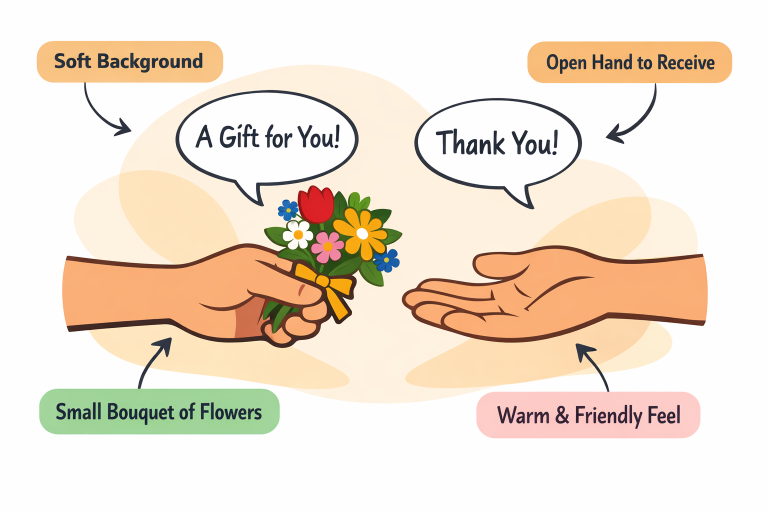
Flowers have served as an enduring symbol of emotion across cultures and generations. Their significance extends far beyond mere aesthetics, touching deeply on the science of human connection and well-being. Whether you are selecting a bouquet for a celebration or expressing heartfelt sympathy, the act of giving flowers goes beyond tradition. If you are searching for inspiring holiday flower arrangements ideas Boston MA, you may be interested in how these blooms influence both feelings and relationships.
The power of flowers as gifts comes from their ability to evoke strong emotional responses and foster meaningful connections. Modern research now confirms what intuition has long suggested: flowers can lift our spirits, strengthen social ties, and communicate unspoken messages in powerful ways.
The choice and presentation of flowers also matter profoundly. The type of flower, its color, and even the occasion for gifting all contribute to the sentiment behind this cherished gesture. Understanding these subtleties not only enhances your gifting experience but also helps you create more lasting impressions with those you care about.
For individuals interested in the practical neuroscience behind gifting, resources like Psychology Today discuss how giving and receiving flowers stimulate the brain’s reward systems, increasing feelings of happiness and satisfaction for both parties.
The Psychological Impact of Receiving Flowers
The experience of receiving flowers is far more than a fleeting delight. Multiple studies have demonstrated tangible psychological benefits linked to floral gifts. People who receive flowers report an immediate improvement in mood, often feeling joy and gratitude that lasts for several days. These positive effects also include reduced anxiety and stress levels, resulting in overall well-being. A feature by Harvard Health Publishing summarizes these findings, noting that having flowers at home or at work creates a consistently happier, more relaxed atmosphere.
Flowers as Non-Verbal Communication
Throughout history, flowers have conveyed messages that words sometimes cannot express. Each variety and color can signify a different sentiment. For example, red roses traditionally stand for deep love and passion, while white lilies are often chosen as a symbol of sympathy or remembrance. This silent language of flowers allows people to convey appreciation, condolences, admiration, or affection with a single arrangement. In fact, giving flowers has been shown to release dopamine and oxytocin, which are chemicals responsible for trust and emotional bonding, as discussed in the Khaleej Times article “Why Giving Still Feels Better Than Receiving.” This biochemical response only adds to the power of a carefully chosen bouquet.
Strengthening Social Bonds Through Flower Gifting
The simple act of gifting flowers can enhance relationships and solidify social connections. Thoughtfully choosing and presenting flowers demonstrates care, empathy, and consideration for the recipient’s emotions. According to Forbes Health, those who give flowers are often viewed as more emotionally intelligent and successful. This thoughtful gesture creates a sense of closeness and trust, fostering goodwill and mutual respect.
When flowers are exchanged between family members, friends, or colleagues, they act as a catalyst for positivity, reassurance, and improved group cohesion. The recipient often associates the giver with positive emotions, making flower gifting a timeless strategy for nurturing both new and established relationships.
Cultural Significance of Flower Gifting
The meanings and traditions tied to flower gifting vary significantly across cultures. In some regions, flowers are integral to important ceremonies and customs, while in others they serve as tokens exchanged during holiday celebrations, weddings, or funerals. For example, in Japan, the practice of Hanakotoba gives specific symbolic meanings to many flowers, helping convey wishes or unspoken messages. Keeping cultural context in mind when choosing flowers is essential; what might be a joyous gesture in one culture could have a different connotation in another. Respect for these nuances adds an extra level of thoughtfulness and can help avoid unintended misunderstandings.
Choosing the Right Flowers for the Occasion
Not all flowers are suitable for every occasion. Tailoring your selection involves considering the recipient’s preferences, the event’s significance, and the emotional message you intend to share. Bright sunflowers often symbolize warmth and loyalty, which makes them a popular choice among friends. At the same time, elegant orchids might be best suited for celebrating achievements as they connote luxury and strength. Lilies can express sympathy and support during difficult times. Do some research or consult a local florist to help personalize your selection and add impact.
Conclusion
Gifting flowers is a meaningful tradition that blends scientific insights with human sentiment. This long-standing gesture is proven to brighten moods, ease stress, and connect people on a deeper level. Whether expressing love, offering comfort, or celebrating milestones, flowers have the unique ability to transcend language barriers and cultural boundaries. Their beauty and symbolism, combined with the science supporting their positive effects, make flower gifting a timeless way to foster gratitude, joy, and harmony in human relationships.

There is an unmatched beauty in mountain living, where crisp air, panoramic vistas, and inspiring serenity meet the comforts of home. Creating a luxurious mountain retreat requires careful attention to detail, merging high-end amenities with the breathtaking wilderness. Those seeking a blend of modern indulgence and natural tranquility will find inspiration in this guide, which presents essential elements and ideas for designing the perfect mountain escape. Whether you are planning to enjoy your own sanctuary or invest in a luxury private residence in Park City with amenities, these design principles ensure that nature’s grandeur and refined living coexist harmoniously.
Good design in mountain retreats respects the rugged character of the landscape while providing unparalleled comfort. When thoughtfully integrated, details like expansive windows, earthy materials, and local art not only create visual appeal but also nurture a sense of peace and belonging.
The essence of a mountain home lies in striking a balance between refined comfort and a strong connection to nature. This careful orchestration can turn any residence into a tranquil haven that renews the spirit. From architecture to interior design, every choice has the ability to elevate the experience of mountain living.
As you design or renovate a mountain retreat, consider these foundational strategies that effortlessly unite luxury with natural beauty, making your getaway both elegant and enriching. Expert advice and inspiration from top industry resources can further refine your vision.
Embracing Natural Materials
Infusing your retreat with natural materials brings authenticity and durability. Reclaimed wood, native stone, and exposed timber echo the textures of the environment, solidifying the sense of place. Not only do these materials offer a timeless aesthetic, but they also foster sustainability by reducing transportation impacts and utilizing renewable sources. Incorporate them into both structural elements and decorative details for a cohesive, environmentally conscious design.
Incorporating Modern Amenities
Maintaining a rustic atmosphere does not mean sacrificing convenience. Smart thermostats, automated lighting, and energy-efficient appliances elevate comfort, allowing homeowners to control their environment effortlessly. Reliable high-speed internet ensures seamless connectivity, while spa-inspired bathrooms, chef-grade kitchens, and entertainment zones transform a mountain house into a luxurious retreat suitable for year-round enjoyment.
Maximizing Views and Natural Light
Panoramic windows and open floor plans are must-haves for mountain homes. They draw the landscape indoors, flooding spaces with sunlight and framing scenic vistas. Glass doors that slide open to expansive decks help blur the boundaries between living areas and nature. Skylights and clerestory windows add to the ambiance while fostering a sense of spaciousness and connection to the outdoors.
Creating Cozy Interior Spaces
Cozy interiors are central to the mountain experience, inviting relaxation after outdoor adventures. The glow of a fireplace, whether wood-burning or gas, fosters warmth and togetherness. Plush rugs, layered textiles, and furniture in earthy tones create a nurturing environment. Accent lighting and nature-inspired decor further enhance the ambiance, making every room an inviting escape from the elements.
Integrating Sustainable Design
Sustainability is crucial in modern luxury retreats. Opt for locally sourced materials to support regional craftsmanship and minimize carbon emissions. Strategic window placement and high-insulation building envelopes harness passive heating in winter and cooling in summer. Solar panels, green roofs, and water-saving fixtures further reduce the home’s ecological footprint, contributing to both comfort and conservation.
Designing Functional Outdoor Areas
Extend comfort outdoors with thoughtfully planned decks, patios, and fire pits. Outdoor kitchens, hot tubs, and lounges enable residents and guests to relax amid mountain vistas. Durable furnishings and weather-resistant finishes ensure that these spaces remain comfortable and attractive, no matter the season. Landscape design should highlight native plants to blend seamlessly with the environment and support local biodiversity.
Personalizing with Local Artistry
Mountain retreats gain a unique identity through local artisan pieces, such as handcrafted pottery, woven textiles, and bespoke furniture. These touches tell the story of place while providing one-of-a-kind accents. Curating artwork from local galleries and commissioning custom designs ensures that the home feels connected to its region and supports the creative community.
Prioritizing Privacy and Seclusion
True luxury in a mountain setting often lies in the promise of peace. Careful site selection, mature landscaping, and natural barriers such as tree lines or berms help ensure privacy. Discreet entryways and thoughtful placement of outdoor features maintain seclusion without feeling isolated, perfect for those wishing to unwind in tranquility.
Crafting a mountain retreat that is both luxurious and in tune with nature requires a balanced approach to materials, amenities, and design. By embracing the landscape, investing in modern comforts, and honoring regional artistry, you can create a sanctuary that is inviting, sustainable, and truly unique—a place to cherish for generations.

Ensuring cleanliness and operational efficiency in high-traffic facilities is a constant challenge that requires careful planning and execution. With hundreds, or even thousands, of people passing through these spaces daily, facility managers must pay close attention to preventive measures and ongoing maintenance. Adopting tailored cleaning protocols not only preserves the physical appearance and functionality of a venue but also safeguards the health and comfort of visitors and staff. Integrating solutions such as a day port in Bellevue, WA program can play a crucial role in supporting these goals, especially in bustling environments where immediate response is necessary. By focusing on targeted strategies, facilities can stay ahead of recurring issues and create a positive impression for all who enter.
The combination of structured routines, capable staff, and up-to-date equipment is foundational to success. Moreover, proactive measures and continuous assessments help identify trouble spots before they escalate, delivering both short- and long-term value. Whether managing an airport, busy retail center, or a multi-story office building, applying best practices in facility care supports a welcoming atmosphere and compliance with health and safety requirements. Facility managers are encouraged to utilize modern preventive maintenance techniques and responsive cleaning programs to maintain optimal conditions year-round.
Understanding the Challenges of High-Traffic Areas
Facilities such as transportation hubs, shopping malls, schools, and event centers experience ongoing foot traffic, which accelerates dirt buildup, increases surface wear, and raises the likelihood of infectious outbreaks. With continuous arrivals and departures, dirt and grime quickly track in, diminishing visual appeal and compromising hygiene. Entryways, lobbies, restrooms, and elevators become particular hot spots for both aesthetic and health-related concerns, often requiring extra attention and resources to stay clean and operational. Beyond basic cleaning, managing a high-traffic space means addressing issues as they arise, not just during scheduled maintenance. Overflowing trash, spills, and bathroom shortages can escalate into safety hazards if not dealt with in real time. Additionally, seasonality introduces variables, such as mud during rainy months or excess salt and snow in winter, which can increase maintenance needs and accelerate surface damage. The cost and importance of ongoing, specialized care are well recognized in professional facility management literature.
Implementing a “Day Porter” Program
A “Day Porter” program provides substantial advantages by employing dedicated staff who actively monitor and clean facility spaces throughout operating hours. These porters are tasked with frequent touchpoint sanitation, trash removal, restroom checks, and cleaning common-use areas like conference rooms and public corridors. Unlike traditional janitorial services scheduled for after hours, day porters work throughout the day, offering immediate responses to spills, stains, or buildup in high-visibility areas. This system ensures that problems are resolved quickly, thus preventing minor issues from escalating into larger negative impressions or health risks.
Besides prompt cleaning, day porters support other facility workers and help foster a sense of ongoing care, boosting employees’ and visitors’ confidence. Clear communication between management and porter staff is essential to enable on-the-fly adjustments. Many top-performing facilities develop customized porter checklists tailored to the building’s traffic flow and operational priorities.
Conducting Regular Facility Assessments
Regular reviews of the facility’s layout and usage patterns are necessary to allocate cleaning and maintenance resources effectively. Facility assessments should focus on identifying high-touch areas, trouble spots where dirt accumulates most rapidly, and spaces that require extra sanitation due to high use or regulatory requirements. Facility managers often use mapping tools to chart pedestrian routes and high-contact points, such as escalators, handrails, restroom fixtures, and cafeteria furniture.
This data-driven approach allows for dynamic shifts in cleaning schedules and quick adaptation to changes in building occupancy or event hosting. For example, if a certain entrance is seeing increased use due to construction elsewhere in the area, cleaning priorities may need to be adjusted to accommodate that shift. Regular assessments also ensure continued compliance with health and safety guidelines, which evolve as best practices and public expectations shift. The Centers for Disease Control and Prevention offers guidance on maintaining healthy environments in public spaces, supporting the need for continual reassessment and adjustment.
Investing in Durable Cleaning Equipment
Industrial-grade cleaning tools are essential for efficiently and thoroughly maintaining high-traffic spaces. Vacuum cleaners with high-efficiency particulate air (HEPA) filters are vital for trapping fine dust, allergens, and contaminants, supporting both visual cleanliness and indoor air quality objectives. Automatic floor scrubbers, sweepers, and commercial carpet cleaners help workers cover extensive areas faster and with less physical strain, broadening the cleaning team’s reach within the available time window.
Routine inspection and regular upgrades of cleaning equipment are necessary to maintain reliability and effectiveness. Poorly performing tools can slow operations and increase the risk of incomplete cleaning. Training staff thoroughly in the proper use and care of all tools further reduces risks and streamlines workflow, supporting a consistently high standard of facility upkeep.
Developing Preventive Maintenance Plans
Long-term success in high-traffic facility management requires forward-thinking preventive maintenance. Core aspects include scheduling regular checkups of major building systems such as HVAC, elevators, security cameras, and fire suppression systems. By addressing possible mechanical faults or wear and tear before peak seasons, facility managers minimize the risk of unexpected breakdowns during periods of heightened demand.
Preventive maintenance ensures that spaces are not only clean but also structurally sound and operational at all times. This approach also helps extend equipment lifespan and reduces emergency repair costs, which can be both expensive and disruptive. Documenting all maintenance routines and establishing clear communication channels with service providers enables quick responses and proper accountability.
Conclusion
High-traffic facilities demand consistent attention and smart planning to maintain cleanliness, safety, and satisfaction. By implementing specialized cleaning protocols, a responsive day porter program, prioritizing data-driven facility assessments, investing in durable equipment, and developing thorough preventive maintenance schedules, facility managers can excel at meeting the unique demands of busy environments. With these best practices, any facility, no matter how busy, can ensure a welcoming, hygienic, and functioning atmosphere for all users.

 SCIENCE10 months ago
The Baby Alien Fan Bus Chronicles
- BUSINESS10 months ago
Mastering the Art of Navigating Business Challenges and Risks
- WORLD8 months ago
Money Heist Season 6: Release Date, Cast & Plot
- TECH8 months ago
VK Video Downloader: How to Save Videos Easily
- BUSINESS7 months ago
Top Insights from FintechZoom.com Bitcoin Reports
- BUSINESS10 months ago
Newport News Shipbuilding Furloughs Hit Salaried Workers
- WORLD10 months ago
Rainwalkers: The Secret Life of Worms in the Wet
- WORLD10 months ago
Rainborne Royals: The Rise of Winged Termites